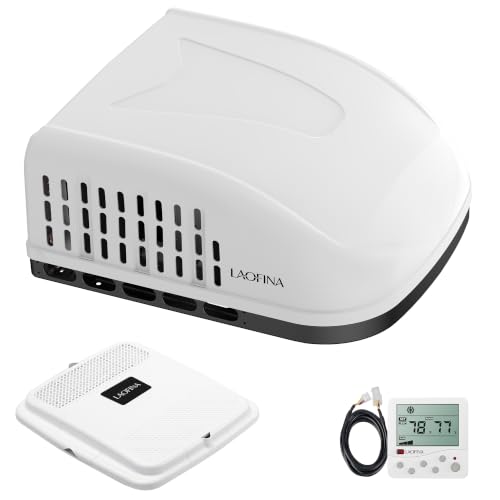
15,000 BTU RV Air Conditioner with Heat Pump
The definitive guide to powerful, all-season climate control for large RVs, fifth wheels, and motorhomes.
COMPARE TOP MODELSFor owners of large recreational vehicles, a standard 13,500 BTU air conditioner often struggles to keep the interior comfortable during peak summer heat. A 15,000 BTU RV air conditioner with a built-in heat pump is the premium upgrade that solves this problem, providing high-capacity cooling and efficient electric heating in a single, roof-mounted unit. This guide breaks down everything you need to know, from power requirements and sizing to installation and the best models on the market, ensuring you make a confident purchase.
Understanding 15,000 BTU Power
Why choose a 15,000 BTU unit over a smaller model? The answer lies in its raw cooling capacity. A unit of this size is engineered to effectively cool spaces between 450 and 600 square feet, making it ideal for 30-foot and longer motorhomes, fifth wheels, and toy haulers. The integration of a heat pump adds a layer of versatility by providing warmth on cool mornings without consuming propane, drawing heat from the outside air and transferring it inside. This makes it an incredibly efficient solution for three-season camping.
Power Requirements & Generator Sizing
This is the most critical pre-purchase consideration. A 15,000 BTU RV AC/heat pump typically requires a dedicated 20-amp circuit and runs on 120-volt AC power. While its running wattage often falls between 1,500 and 1,700 watts, the startup surge can be three times that, momentarily drawing over 3,500 watts. If you plan to run the unit on a generator, you will need a model rated for at least 3,500 starting watts, with 4,000 watts being a safer and more reliable target to avoid tripping breakers.
Before upgrading, always check your RV's electrical panel and wiring. Many older RVs are wired for a 30-amp shore power connection. Running a 15,000 BTU air conditioner along with other appliances like a microwave may require careful energy management or an upgrade to a 50-amp service. You can learn more about the relationship between amps and breaker size for an AC unit in our detailed guide.
💡 Pro Tip: The Soft Start Solution
If your generator is borderline, installing an aftermarket soft start device on your AC unit can dramatically reduce the startup current surge by 60-70%. This allows you to comfortably run a 15,000 BTU AC on a smaller 3,000-watt generator, and it's a highly recommended upgrade for any modern RV.
Ducted vs. Non-Ducted: Which Is Right for You?
These powerful units are available in two main configurations. Ducted models connect to a network of channels in your RV's ceiling, distributing cool (or warm) air evenly and quietly throughout the entire coach. They are the standard for high-end motorhomes. Non-ducted (or direct-discharge) models blow air directly from the unit's ceiling assembly, making them simpler to install and ideal for retrofits in RVs without existing ductwork. For a deeper look at installation specifics, see our RV air conditioner overview.
Heat Pump vs. Traditional Furnace
The defining feature of these units is their heating capability. Unlike a standard RV furnace that burns propane, an integrated heat pump uses only electricity. This is a cost-effective game-changer when you're plugged into shore power at a campground, as you're not depleting your propane supply. The table below highlights the key performance differences:
| Feature | AC with Heat Pump | Traditional Propane Furnace |
|---|---|---|
| Energy Source | Electricity (120V Shore Power) | Propane + 12V Battery (for fan) |
| Ideal Use | Mild cold (above 40-45°F) | Extreme cold (any temperature) |
| Operating Cost | Often lower at campgrounds | Varies with propane price |
| Heat Output | Gentle, even warmth | Intense, dry, rapid heat |
Important Note: A heat pump's efficiency drops significantly when the outside temperature falls below freezing. For true four-season camping, the best setup is a 15,000 BTU heat pump unit combined with your RV's propane furnace as a backup for sub-freezing nights.
Top Features to Look For
When comparing models, certain features elevate one unit above another. Modern units offer significant quality-of-life improvements for RVers:
- Heat Pump Mode: The core feature. Ensure it can automatically switch between cooling and heating to maintain a set temperature.
- Dehumidification Function: Essential for muggy climates. This runs the compressor at low speed to pull moisture from the air without drastically changing the temperature.
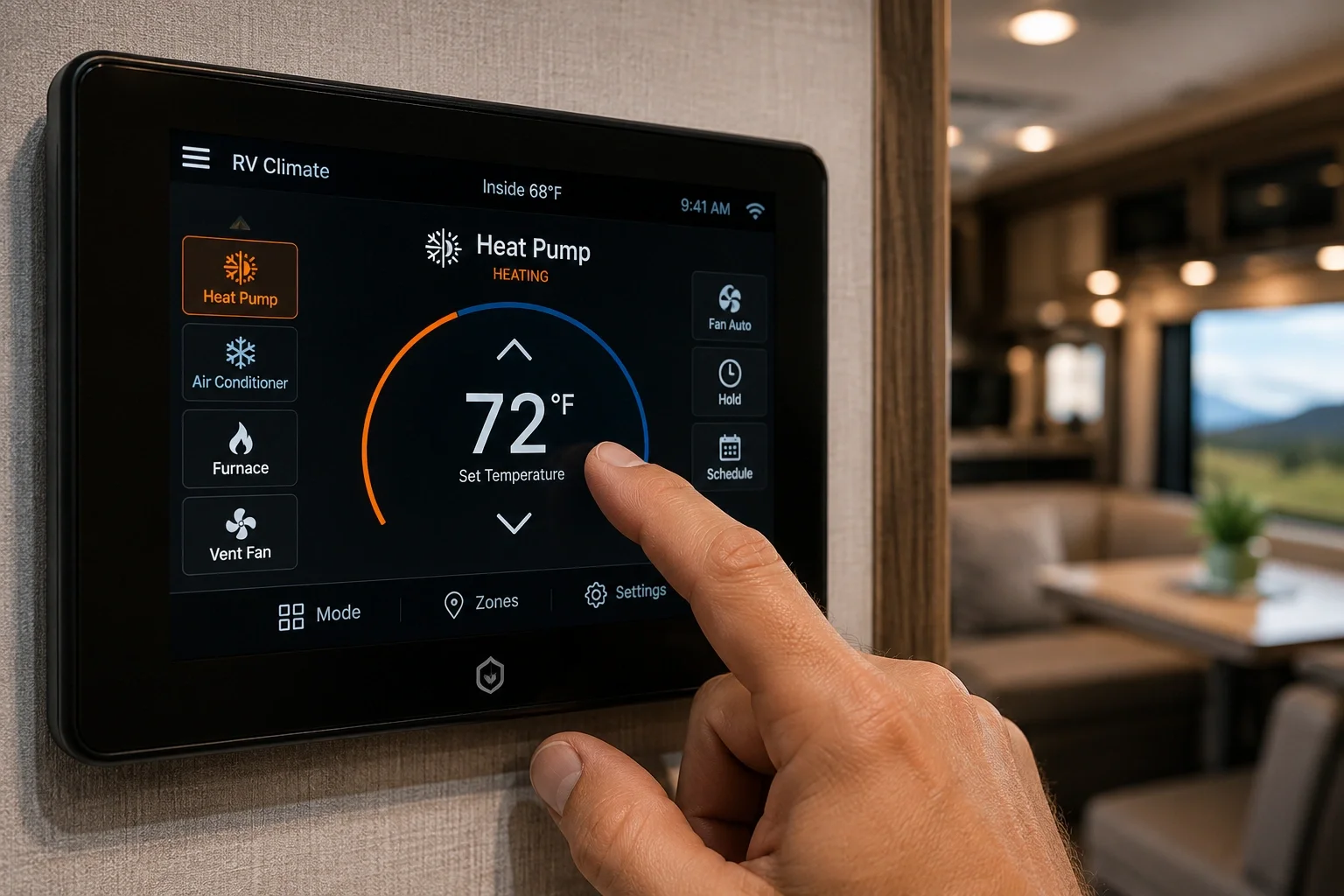
- Smart Thermostat Compatibility: Look for models with Bluetooth or Wi-Fi control. Adjusting your RV's temperature from your tow vehicle or bed is a modern luxury you won't want to give up once you have it. Check out our picks for AC units with Wi-Fi and smart control.
- Quiet Operation: A noisy AC can ruin a peaceful campsite. Manufacturers now design fan blades and compressor shrouds to minimize decibel levels. Our guide to quiet air conditioners provides an in-depth look at this technology.
- Low-Profile Design: A sleek, aerodynamic shroud reduces wind resistance and improves the overall look of your RV compared to older, bulky units.
Installation Insights & Practical Considerations
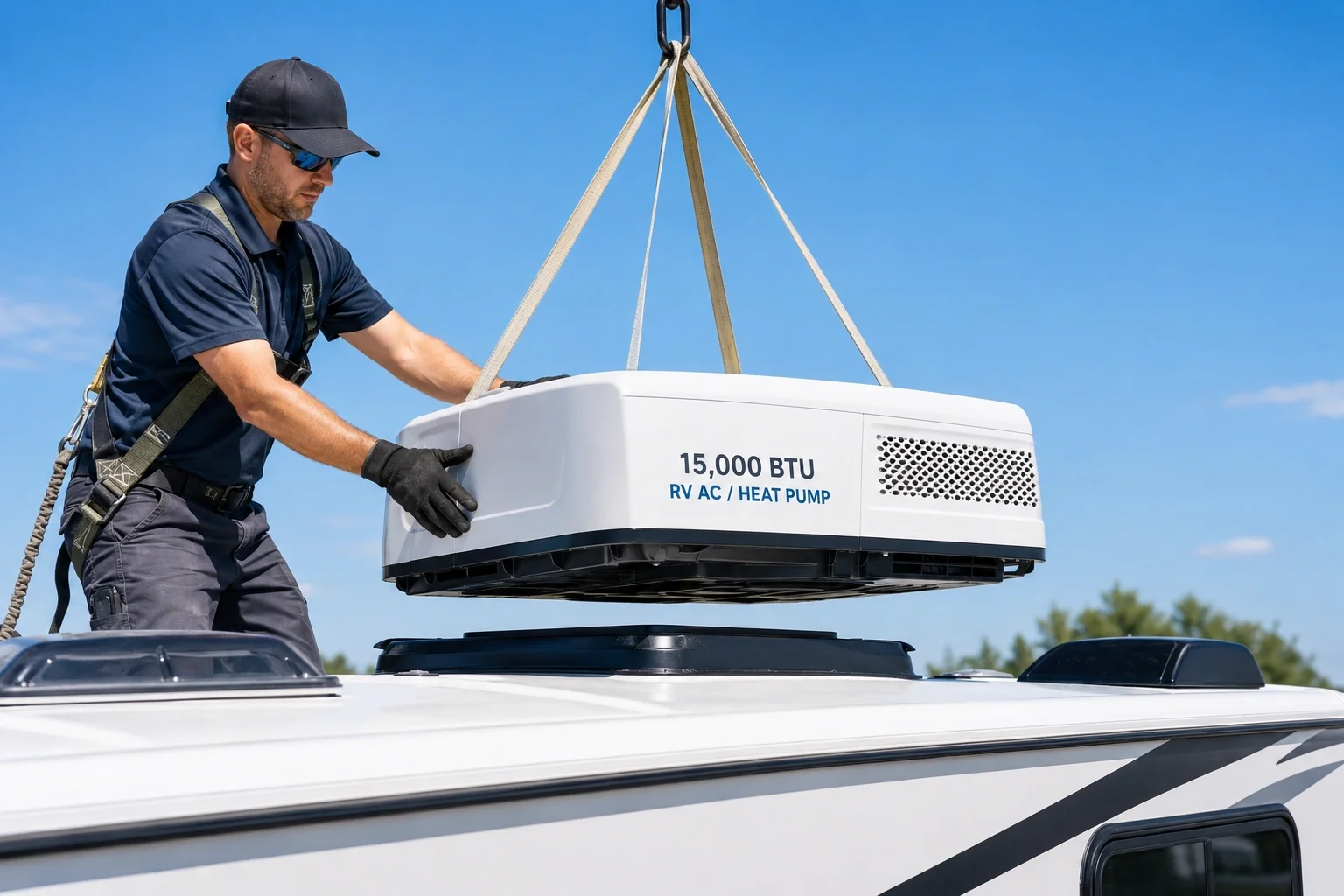
Installing a 15,000 BTU unit is a physically demanding job, as the unit weighs around 90-110 lbs and must be lifted onto the roof. While a direct-fit replacement of an existing unit is a manageable DIY project for experienced RVers, a new installation involving wiring and ductwork is best left to a professional. The process involves careful removal of the old sealant, lifting the new unit into place, securing it, and making watertight electrical connections. A common oversight is failing to check local regulations for AC permits, which may apply even for RV modifications in some areas. Professional installation is a mid-range investment relative to the unit itself, with the final figure varying by complexity — a worthwhile trade-off for peace of mind when it comes to roof integrity and electrical safety.
Ready to Find Your Perfect Match?
Choosing the right 15,000 BTU RV air conditioner with a heat pump is an investment in year-round travel comfort. By understanding your power budget, RV's ductwork configuration, and the key features that matter most, you're now prepared to make a decision that will keep you cool in the desert and cozy on cool mountain mornings. We've curated a list of the best-performing and most highly-rated models below to help you get started on your upgrade.