Ultimate Guide to Quiet Air Conditioners
Sleep better, work focused — choose the most silent AC for your home. Learn decibel levels, inverter advantages, and zero-compromise cooling.
SHOP QUIET AC UNITS →🤫 Silent cooling matters: Noise levels from air conditioners can disturb sleep, reduce productivity, and cause stress. The quietest AC units operate below 32 dB — quieter than a library. This guide breaks down decibel ratings, best low-noise technologies, and top recommendations to keep your home perfectly cool without the roar.
What Makes an Air Conditioner “Quiet”?
Noise level is measured in decibels (dB). For reference: a whisper is ~30 dB, normal conversation ~60 dB, and a standard window AC often exceeds 55 dB. Quiet air conditioners typically produce between 19 dB and 42 dB depending on the type and speed setting. The secret lies in advanced engineering: inverter AC technology, aerodynamic fan blades, insulated compressor compartments, and DC brushless motors.
🔊 Decibel Reference for AC Units
- 19–27 dB → Ultra-quiet (high-end mini splits, some inverter window units at low speed)
- 28–35 dB → Whisper-quiet (ideal for bedrooms, libraries)
- 36–45 dB → Moderate background noise (similar to rainfall)
- 46–55 dB → Noticeable hum (older non-inverter AC units)
- 56 dB+ → Disruptive for sleeping / concentration
When choosing a quiet air conditioner, prioritize models with inverter compressors — they adjust speed continuously instead of cycling on/off, eliminating the loud “startup bang”. Many ENERGY STAR certified models also offer sleep modes that lower fan speed and reduce noise automatically. For a bedroom, we strongly recommend units rated ≤ 32 dB indoor noise level.
Best Quiet AC Types Compared
❄️ Ductless Mini-Split
The quietest option available. The noisy compressor sits outside, indoor unit delivers near-silent airflow. Perfect for bedroom or home office.
Cost range: $800–$2,500+ (single zone installed)
Learn about mini splits →🪟 Inverter Window AC
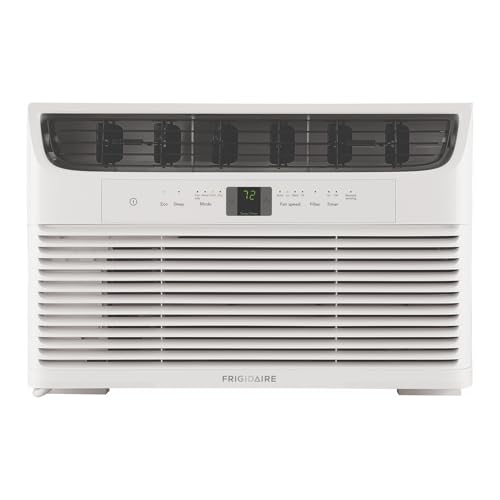
Modern inverter window units cut noise significantly compared to traditional units. Look for “Ultra Quiet” models with noise as low as 32 dB at low speed.
Cost range: $280–$650
Window AC guide →🧳 Quiet Portable AC
Dual-hose portable units with inverter compressors can reach ~44 dB. Less quiet than mini splits but suitable for renters or temporary cooling.
Cost range: $350–$800
Portable AC details →🏠 Central AC (Variable Speed)
Variable-speed central systems run at low RPMs most of the time, producing soft airflow noise. Combined with properly sized ducts, they're excellent for whole-home quiet comfort.
Cost range: $4,000–$9,500
Central AC guide →Why Inverter AC is Crucial for Low Noise
Standard non-inverter AC cycles on and off at full power, creating disruptive noise spikes each time the compressor kicks in. In contrast, Inverter AC systems use variable-frequency drives to ramp up or down smoothly. This not only reduces noise by up to 40% but also saves energy. According to DOE studies, inverter-driven units operate 10-15 dBA quieter at partial load — exactly when you need silence (nighttime). If silence is your top priority, always choose an inverter model.
Beyond noise, how inverter AC works provides precise temperature control without temperature swings. Newer models from top brands integrate night modes that further suppress fan speed and reduce decibel levels to ~22 dB – barely audible.
Quiet Cooling by Room: Bedroom, Office & Living Spaces
Where you install the AC heavily influences noise perception. For bedroom AC guide, you need the most silent operation — aim for sub-32 dB. Mini-splits and high-end inverter window units dominate this category. For home office AC, consider a ductless mini-split or a quiet portable AC if you’re renting. Living rooms can tolerate slightly higher sound levels, but open floor plans still benefit from low-noise ducted mini-splits or variable speed central units.
If you live in a multi-story home, check AC for multi-story home — placing the outdoor unit away from bedrooms and selecting a quiet condenser can make a huge difference. For renters, the best option remains a AC for renters (temporary solutions) like an ultra-quiet portable unit or an inverter window AC with noise reduction kit.
⚡ Sizing matters for noise levels
An oversized AC short-cycles, starting and stopping frequently, which produces more noise spikes and wears components. Use our BTU calculator by room size to get the perfect capacity. For a quiet experience, slightly undersizing with inverter technology ensures the unit runs longer at low, silent speeds rather than blasting at high output.
Energy Efficiency Meets Silence: SEER & Noise Correlation
High SEER rating usually goes hand-in-hand with inverter compressors and better insulation — both reducing noise. Modern ENERGY STAR certified AC units often incorporate advanced sound blankets and swept-wing fan technology. For quiet operation, look for SEER2 ≥ 18 in mini-splits and ≥ 15 in window ACs. The new SEER vs SEER2 (DOE Standards) more accurately reflects real-world efficiency, and high-efficiency models are routinely quieter than baseline units.
Additionally, low-wattage AC options are not only power-sipping but also typically run fans at lower velocities → less noise. Explore low wattage AC for eco-friendly near-silent operation.
Keep Your AC Whisper-Quiet: Maintenance Tips
A dirty filter or clogged coils can increase noise dramatically due to restricted airflow. Clean AC filter every 30 days during peak summer. Also, clean condenser coils and clean evaporator coils yearly to prevent hissing or rattling. Loose parts, unbalanced fan blades, or low refrigerant often produce unwanted hum. If you hear unusual sounds, see AC making noise solution to troubleshoot. Scheduling regular annual service cost proactive check ensures long-term acoustic comfort.
Some of today's quietest air conditioners also come with AC with Wi-Fi & smart control allowing you to schedule silent cooling periods. Premium models include AC with air purifier technology, further reducing fan noise by running at lower speeds while still delivering clean air. For year-round comfort, you might consider AC with heat pump units that also provide efficient heating silently during colder months.
If your budget is flexible, the highest SEER air conditioner also tends to be exceptionally quiet, as they utilize advanced inverter systems and premium materials. Meanwhile, most energy efficient AC options offer dual benefits – slashing electricity bills and decibel levels simultaneously.
Frequently Asked Questions About Quiet ACs
Yes, ductless mini-split indoor units typically produce 19–32 dB, while window ACs average 42–55 dB. For a bedroom, mini-split is the gold standard.
Below 30 dB is virtually silent in a quiet room. Many high-end inverter mini splits reach 19–24 dB at low fan speed.
Yes, clean filters, install vibration pads, and ensure the unit is level. However, replacing an old non-inverter unit with a modern inverter model is the most effective solution.
Yes, dual-hose inverter portable units can be as low as 44 dB on low. Check product specs for “low-noise” claim. For true silence, mini-splits are superior.
$400–$1,200 depending on type. A quiet inverter window AC ($400–$650) or a small ductless mini-split ($800–$1,800) are excellent choices.
📘 Still researching? Explore complete buying guide or use how to size an air conditioner for a perfect fit. Ready to decide? Check below the quietest recommended units from Amazon — all carefully selected for low decibels and high performance.