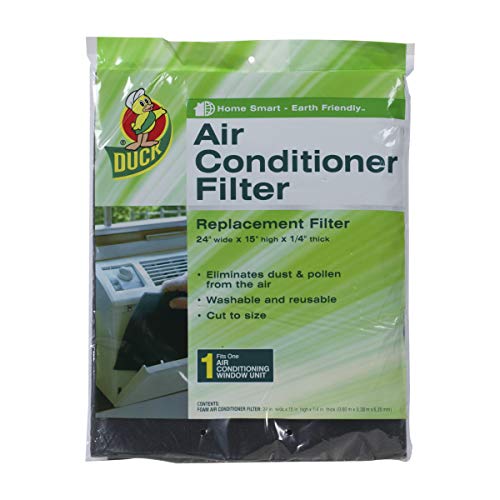
When to Replace Your AC Filter: The Complete Guide
Learn exactly when to change your air conditioner filter, recognize warning signs, and follow a simple schedule to boost efficiency, lower bills, and extend your AC lifespan.
Jump to Schedule →🔧 Quick Answer: Most standard 1–3 inch filters need replacement every 30–90 days. However, your specific situation—pets, allergies, home size, and AC usage—can change that frequency dramatically. Read on for a personalized guide.
Why Replacing Your AC Filter Matters
A dirty AC filter is the #1 cause of reduced airflow, higher energy bills, and premature system failure. When your filter becomes clogged, your air conditioner must work harder to pull air through, increasing wear on the blower motor and compressor. According to the U.S. Department of Energy, replacing a dirty filter can lower your air conditioner's energy consumption by 5% to 15%. Moreover, neglected filters allow dust, pollen, and mold spores to circulate through your home, aggravating allergies and respiratory issues. For homes with ductless mini-split systems or central air conditioning, filter maintenance is equally critical.
The Impact of Timely Filter Changes
AC Filter Replacement Schedule: At a Glance
The table below provides a clear guideline based on filter type, household conditions, and usage patterns. Use this as your starting point, then adjust based on visual inspections.
| Filter Type / Household Condition | Recommended Replacement Frequency | Best For |
|---|---|---|
| Basic fiberglass filter (1-inch) | Every 30 days | Vacation homes, low usage, budget setups |
| Pleated polyester filter (1–2 inch MERV 8–11) | Every 60–90 days | Average home, no pets, moderate use |
| High-efficiency filter (MERV 12+, HEPA-type) | Every 90 days (check monthly) | Allergy sufferers, dust control |
| Households with 1–2 pets | Every 45–60 days | Pet dander and hair reduction |
| Households with 3+ pets or severe allergies | Every 20–30 days | Maximum indoor air quality |
| Seasonal heavy use (summer or winter) | Every 30–45 days during peak season | AC runs 12+ hours daily |
| New construction or renovation dust | Every 2–4 weeks during work | Protecting HVAC equipment |
| Smokers in household | Every 30 days | Odor and particle control |
💡 Pro Tip: For inverter AC units and variable speed systems, clean filters are even more crucial because these units run longer cycles at lower speeds. A dirty filter forces the inverter to work harder, negating energy savings.
8 Clear Signs It’s Time to Replace Your AC Filter
Even if you follow a schedule, visual and performance cues should trigger an immediate filter change. Here are the most common warning signs:
🌬️ Weak Airflow
Notice less air coming from vents? A clogged filter restricts airflow, reducing cooling capacity and forcing your AC to run longer cycles.
⚡ Higher Energy Bills
If your electricity bill spikes without increased usage, a dirty filter is often the culprit. Your system consumes more power to overcome resistance.
❄️ Frozen Evaporator Coils
Insufficient airflow over the evaporator coils causes them to drop below freezing, leading to ice buildup and potential compressor damage.
😤 Dust Around Vents
Seeing dust particles blowing out of supply registers indicates the filter is no longer capturing debris effectively.
👃 Musty or Burning Odors
A moldy smell suggests moisture trapped in the filter, while a burning odor means debris is overheating near the blower.
🤧 Increased Allergy Symptoms
If family members experience more sneezing, coughing, or itchy eyes indoors, your filter may be saturated with allergens.
⏲️ AC Runs Constantly
Short cycling or non-stop operation often traces back to restricted airflow from a dirty air filter.
👁️ Visual Inspection
Hold the filter up to a light. If you can't see light penetrating through, it's time for a replacement—immediately.
How to Inspect Your AC Filter (Step-by-Step)
Regular inspection takes less than 5 minutes and prevents costly repairs. Follow this simple process:
📋 Monthly Filter Check Routine
- Turn off your AC system at the thermostat or breaker for safety.
- Locate the filter compartment – usually behind the return air grille (wall, ceiling, or furnace/air handler). For window AC units, the filter is behind the front panel.
- Remove the filter carefully and note the size printed on the frame (e.g., 16x20x1).
- Hold it up to a light source – if light passes through easily and there's no thick dust mat, it can be cleaned or vacuumed.
- Compare with a new filter – if it looks dark gray or brown, replace immediately.
- Mark the date on the filter frame with a marker to track installation date.
Filter Types and Their Lifespan
Not all filters are created equal. Your replacement schedule depends heavily on the filter's MERV rating (Minimum Efficiency Reporting Value) and thickness. Here’s what you need to know when shopping for replacements:
MERV 1–4 (Basic)
Cost: $2–$10 each. Replace every 30 days. Captures large dust and lint but not pollen or mold. Suitable for window units or light-use homes.
MERV 8–11 (Standard pleated)
Cost: $10–$25. Replace every 60–90 days. Excellent balance of airflow and filtration. Ideal for most homes with central AC.
MERV 12–16 (High efficiency)
Cost: $20–$50+. Replace every 90 days (check monthly). Traps bacteria, smoke, and fine particles. Requires stronger blower.
Washable/Electrostatic
Cost: $30–$80 (one-time). Wash every 30 days with water, replace every 3–5 years. Good for eco-conscious homes.
When selecting a new filter, always check your system's manual for maximum MERV recommendation. Using a filter that's too restrictive (MERV 13+ on an older system) can damage the blower motor. For portable air conditioners, use only the manufacturer-recommended filter type.
Seasonal Considerations: When to Change More Often
Your AC filter works hardest during peak seasons. Here's how to adjust your schedule throughout the year:
- Summer (Cooling season): High humidity and constant runtime demand more frequent changes. Reduce replacement interval by 30%.
- Winter (Heating season): If you use a heat pump or furnace, filters collect dust from drier air. Stick to every 60–90 days.
- Spring (Allergy season): Pollen, mold spores, and tree debris increase filter load. Consider upgrading to MERV 11+ and change every 45 days.
- Home renovation or wildfire smoke: Change filters every 2–3 weeks during these events, then replace immediately after.
📅 Smart Reminder: Set a calendar alert on your phone for the first day of each month to inspect your filter. Many homeowners also pair filter changes with other monthly tasks like paying utility bills or testing smoke detectors.
Consequences of Neglecting AC Filter Replacement
If you skip regular filter changes, you risk several expensive outcomes:
💰 Higher Utility Bills
Dirty filters increase energy consumption by up to 15%, adding $100–$300 annually to cooling costs.
🔧 Compressor Failure
The compressor overheats due to reduced airflow, leading to repairs costing $1,500–$3,000 or full system replacement.
🧹 Ductwork Contamination
Debris bypasses the filter and settles in ducts, requiring professional cleaning ($300–$700).
⛔ Voided Warranty
Most AC warranties require proof of regular filter maintenance. Neglect can void coverage on major components.
FAQ: When to Replace AC Filter
A: Vacuuming only removes surface dust but does not clean deep particulate. Replace disposable filters. Washable filters can be rinsed monthly but should be replaced after 3–5 uses.
A: With one dog or cat, change every 45–60 days. For multiple pets or heavy shedders, every 30 days is recommended.
A: 4–5 inch media filters can last 6–12 months because they have more surface area. Check them every 3 months.
A: Cleaning is only for permanent washable filters. Standard fiberglass or pleated filters must be replaced—cleaning damages the media.
Final Takeaway: Make Filter Changes a Habit
Replacing your AC filter on time is the single most cost-effective maintenance task you can perform. It improves indoor air quality, lowers monthly bills, prevents breakdowns, and extends the life of your entire HVAC system. Whether you own a mini-split, window unit, or central AC, the principle remains the same: check monthly, replace as needed, and never ignore the warning signs.
Now that you understand exactly when to replace your AC filter, take action today. Inspect your current filter, note the size, and order replacements in advance so you’re never caught off guard. Your air conditioner—and your wallet—will thank you.