Whole House AC System: Complete Central Air Guide
Everything you need to know about central air conditioning – from sizing and efficiency to installation costs and maintenance. Make an informed decision for your home.
SHOP RECOMMENDED SYSTEMS🏠 Thinking about installing a whole house AC system? Central air conditioning is the gold standard for whole-home cooling, offering consistent temperature control, improved indoor air quality, and increased property value. This comprehensive guide covers everything from system types and sizing to cost expectations and energy efficiency ratings – helping you make the right choice for your home and budget.
What Is a Whole House AC System?
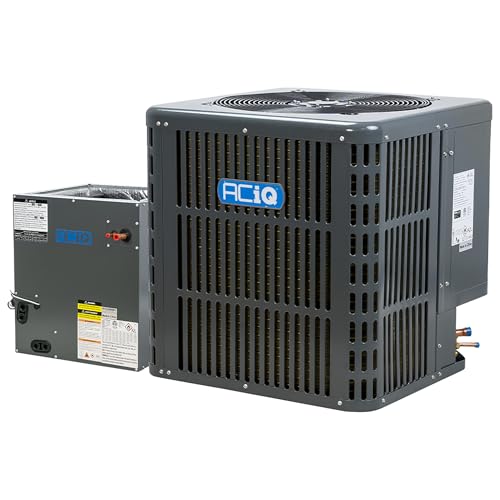
A whole house AC system, also known as central air conditioning, is a cooling solution designed to regulate temperature across your entire home through a network of ducts. Unlike window air conditioners or portable units that cool individual rooms, a central AC system uses a single outdoor unit (condenser) connected to an indoor unit (evaporator coil and air handler) that distributes cooled air through ductwork to every room.
Modern whole house systems often incorporate inverter technology and variable-speed compressors to deliver precise cooling while minimizing energy consumption. For homes without existing ductwork, ductless mini-split systems offer an alternative, but true central AC remains the preferred choice for new construction and homes with existing ducts.
Consistent Temperature
Even cooling throughout your entire home – no hot spots or temperature variations between rooms.
Quiet Operation
Compressor located outside means minimal indoor noise. Quiet AC models available for bedrooms.
Air Filtration
Central systems filter air from every room, removing dust, pollen, and allergens for better indoor air quality.
Increased Home Value
Homes with central AC sell faster and at higher prices – a smart investment for property owners.
Types of Whole House AC Systems
When choosing a whole house cooling solution, you have several options. Each type has unique advantages depending on your home's construction, budget, and efficiency goals. Explore our detailed AC types guide for more comprehensive information.
| System Type | Best For | Average Cost (Installed) | Efficiency (SEER2) |
|---|---|---|---|
| Split System Central AC | Homes with existing ductwork | $3,800–$7,500 | 14–20+ SEER2 |
| Packaged AC Unit | Homes without basement/attic space | $4,500–$9,000 | 14–18 SEER2 |
| Ductless Mini-Split (Multi-zone) | Homes without ducts / additions | $5,000–$12,000 | 16–22 SEER2 |
| Ducted Mini-Split | Homes needing discreet indoor units | $6,000–$10,000 | 15–20 SEER2 |
Sizing Your Whole House AC System
Proper sizing is critical for performance and efficiency. An undersized unit runs constantly without cooling adequately, while an oversized unit short-cycles, wasting energy and failing to dehumidify properly. Learn how to size an air conditioner correctly for your home.
Professional HVAC contractors use Manual J load calculation to determine exact requirements, considering square footage, ceiling height, insulation levels, window orientation, climate zone, and number of occupants. As a general guideline:
- 1,200–1,500 sq ft home: 1.5–2 tons (18,000–24,000 BTU)
- 1,500–2,000 sq ft home: 2–2.5 tons (24,000–30,000 BTU)
- 2,000–2,500 sq ft home: 2.5–3 tons (30,000–36,000 BTU)
- 2,500–3,500 sq ft home: 3–4 tons (36,000–48,000 BTU)
- 3,500–4,500 sq ft home: 4–5 tons (48,000–60,000 BTU)
For accurate calculations, use our BTU calculator by room size as a starting point, but always consult a professional for final sizing. Also read about what happens if your AC is too big or too small.
Understanding SEER2 & Energy Efficiency
Since January 2023, the US Department of Energy requires all new AC units to meet updated SEER2 standards (Seasonal Energy Efficiency Ratio 2). What is SEER rating? It measures cooling output divided by energy consumption. Higher SEER2 means better efficiency and lower electricity bills.
Recommended SEER2 Ratings by Region:
• Northern US: Minimum 13.4 SEER2 (equivalent to 14 SEER)
• Southern/Southwestern US: Minimum 14.3 SEER2 (equivalent to 15 SEER)
• Premium Efficiency: 16–20+ SEER2 for maximum savings
Check SEER vs SEER2 DOE standards for complete details.
ENERGY STAR certified AC units typically offer SEER2 ratings of 15 or higher (northern) or 16+ (southern). For the best long-term value, consider highest SEER air conditioner models if you live in a hot climate or have high electricity rates. Also compare EER rating and HSPF rating for heat pump systems.
Whole House AC Installation Costs
Installing a new central air conditioning system is a significant investment. Understanding the cost breakdown helps you budget effectively. For a typical 2,000 sq ft home with existing ductwork, expect to pay:
| Component | Cost Range |
|---|---|
| AC Unit (Condenser + Coil) | $1,500–$4,000 |
| Air Handler / Furnace (if replacing) | $1,000–$2,800 |
| Installation Labor | $1,500–$3,500 |
| Electrical Work & Permits | $500–$1,200 |
| Ductwork Modification (if needed) | $1,000–$5,000 |
| Total Full Installation | $3,800–$12,000+ |
For new construction without existing ducts, add $4,000–$12,000 for complete ductwork installation. Learn more about AC installation cost estimate and installation cost breakdown for detailed pricing by system size and region. Many homeowners qualify for HVAC tax credits and rebates for high-efficiency systems.
Inverter vs Standard AC: What's Better for Whole House?
Traditional central AC units operate at single or two speeds – either 100% on or completely off. Inverter AC technology allows the compressor to run at variable speeds, adjusting output precisely to cooling demand. For whole house systems, inverter technology offers significant advantages:
Standard (Single-Stage)
Lower upfront cost ($3,000–$5,000). Simpler design. Works well in mild climates. Single stage AC guide.
Budget Choice
Two-Stage
Runs at 70% or 100% capacity. Better humidity control. Moderate price ($4,500–$7,000). Two stage AC details.
Best Value
Inverter (Variable-Speed)
30–40% energy savings. Ultra-quiet. Precise temperature (±0.5°F). Premium price ($6,000–$12,000). How inverter AC works.
Top Efficiency
Read our complete inverter vs non-inverter comparison to decide which technology fits your home and budget.
Installation: What Homeowners Need to Know
Proper installation is as important as the equipment itself. Poor installation can reduce efficiency by 30% and shorten system lifespan. Before installation, review your home's electrical panel to ensure adequate capacity. Most central AC units require a dedicated 240V circuit with appropriate amperage – see 110V vs 240V AC units and amps and breaker size requirements.
Key installation steps include:
- Selecting optimal indoor and outdoor unit placement
- Proper refrigerant line set sizing and insulation – refrigerant line set guide
- Vacuuming the system to remove moisture – how to vacuum an AC system
- Following EPA refrigerant handling regulations
Always verify your contractor has proper HVAC license and insurance. Ask about warranty registration and read our guide on how to choose an HVAC contractor.
📋 Whole House AC Maintenance Checklist
- Monthly: Check and clean or replace air filters
- Seasonally: Clean condenser coils and remove debris around outdoor unit
- Annually: Professional tune-up including evaporator coil cleaning, refrigerant check, and electrical inspection
- Ongoing: Keep vents unobstructed, use programmable thermostat for energy savings, and seal air ducts to prevent energy loss
Following our complete AC maintenance guide can extend system life to 15–20 years and maintain peak efficiency.
Common Whole House AC Problems
Even the best systems can experience issues. Recognizing symptoms early prevents costly repairs:
- AC not cooling: Check thermostat settings, air filters, and refrigerant levels.
- Blowing warm air: Could indicate low refrigerant, compressor failure, or duct leaks.
- Water leakage: Usually a clogged condensate drain or frozen evaporator coil.
- Unusual noises: Grinding or squealing suggests motor or blower issues.
- Frozen coils: Often caused by low airflow, dirty filters, or low refrigerant.
When to call a professional? See our guide: when to call an HVAC technician and estimated annual service costs.
Is a Whole House AC System Right for You?
Central AC is ideal if:
- You own a home (not a rental) and plan to stay for 5+ years
- Your home has existing ductwork or you're willing to install it
- You want whole-home convenience without managing multiple window or portable units
- You prioritize property value appreciation
Alternatives to consider: AC for older homes without ducts, ductless vs ducted AC comparison, or heat pump vs air conditioner for combined heating/cooling.
💡 Ready to buy? Below you'll find our curated recommendations for the best whole house AC systems based on efficiency ratings, customer reviews, and value. Each product includes current pricing and specifications. Scroll down to explore top-rated central air conditioners and mini-split systems for whole-home cooling.