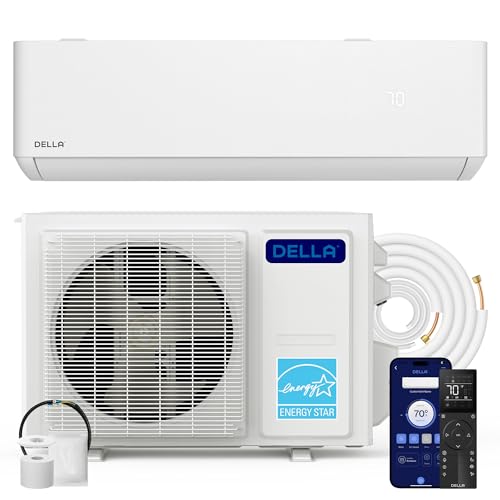
What is HSPF Rating? Your Complete Guide to Heat Pump Heating Efficiency
Discover how HSPF impacts your heating bills, comfort, and long-term savings. Learn to compare heat pumps intelligently before you buy.
If you're shopping for a heat pump or a ductless mini-split system, you've probably encountered the term HSPF rating. But what does it really mean, and why should you care? HSPF (Heating Seasonal Performance Factor) measures the efficiency of a heat pump's heating mode over an entire season. Just as SEER ratings tell you cooling efficiency, HSPF tells you how well your system converts electricity into heat. A higher HSPF means lower winter energy bills and better performance in colder climates. This guide breaks down everything you need to know — from basic definitions to the new DOE 2023 standards (HSPF2) — so you can make a confident, informed purchase.
What Exactly Does HSPF Measure?
HSPF is calculated by dividing the total heating output (in BTUs) by the total electricity consumed (in watt-hours) during a typical heating season. In simple terms: HSPF = Total BTU output ÷ Total watt-hours used. The result represents the efficiency of your heat pump when operating in heating mode. Unlike a simple snapshot, HSPF accounts for real-world conditions like defrost cycles, variable outdoor temperatures, and on/off cycling. For example, an HSPF of 9 means the system delivers 9 BTUs of heat for every watt-hour of electricity. To put it into perspective: older heat pumps might have HSPF ratings as low as 6–7, while today's high-efficiency models reach 10–13+.
🔹 New DOE Standard (2023): HSPF2
The US Department of Energy introduced HSPF2 to provide more realistic testing procedures. To compare new units to old ratings, simply multiply HSPF2 by 1.15 to get an approximate old-HSPF equivalent. For example, an HSPF2 of 8.5 is roughly equal to HSPF 9.8. Always check the yellow EnergyGuide label — it now shows both numbers for clarity.
Why HSPF Rating Matters for Your Home
Choosing a heat pump solely based on price can cost you hundreds of dollars extra every winter. HSPF directly affects your operating costs and overall comfort. Here's why smart buyers pay close attention:
- Lower Energy Bills: Upgrading from HSPF 7 to HSPF 10 can reduce heating costs by approximately 30%, saving $200–$500 annually depending on climate and electricity rates.
- Better Cold-Climate Performance: High HSPF models often include advanced compressors and larger coils, providing more heat even when outdoor temperatures drop to 5°F or below.
- Eligibility for Rebates & Tax Credits: Many utility companies and federal programs (like the Energy Efficient Home Improvement Credit) require minimum HSPF2 thresholds (e.g., ≥8.5 HSPF2 / ≥9.8 HSPF) to qualify for rebates up to $2,000.
- Environmental Impact: Higher efficiency reduces carbon footprint, especially if your region relies on fossil fuels for electricity generation.
HSPF Rating Scale: What is Good vs. Excellent?
The minimum HSPF required by federal law has changed over time. For new systems installed after 2023, the minimum HSPF2 rating varies by region (North vs. South). Below is a practical guide to interpreting HSPF values:
| HSPF Range (Old Scale) | HSPF2 Range (New Scale) | Efficiency Level | Best For |
|---|---|---|---|
| 6.0 – 7.0 | 5.2 – 6.1 | Poor / outdated | Avoid unless low usage (garage, workshop) |
| 7.1 – 8.5 | 6.2 – 7.4 | Standard efficiency | Mild climates, budget rentals |
| 8.6 – 9.5 | 7.5 – 8.3 | Good / ENERGY STAR | Most US homes, decent savings |
| 9.6 – 10.5 | 8.4 – 9.1 | High efficiency | Cold climates, premium savings |
| 10.6 – 13+ | 9.2 – 11.3+ | Exceptional / premium | Energy-conscious homeowners, max rebates |
For most homeowners, an HSPF of 9 or higher (HSPF2 ≥ 7.8) offers an ideal balance of upfront cost and long-term savings. If you live in a northern state (e.g., Minnesota, New York, Maine), aim for HSPF 10+ (HSPF2 ≥ 8.7) to ensure reliable heating during extreme cold.
HSPF vs. SEER vs. EER: Key Differences
Many buyers confuse these three ratings. Here's a quick comparison to help you evaluate both heating and cooling performance when selecting a heat pump or central air system:
| Rating | Measures | Season | Ideal For |
|---|---|---|---|
| HSPF / HSPF2 | Heating efficiency | Winter heating season | Evaluating heat pumps in cold climates |
| SEER / SEER2 | Cooling efficiency | Summer cooling season | Comparing central AC or ductless mini-split AC cooling performance |
| EER | Cooling at peak temperature (95°F) | Hot days | Hot, arid climates where AC runs constantly |
When you shop for a heat pump system, check both HSPF (heating) and SEER (cooling) ratings. A balanced system offers high efficiency year-round. For more in-depth reading, explore our detailed guides on SEER vs SEER2 and EER ratings.
How Much Can You Save? HSPF Savings Calculation
Understanding the math helps you justify investing in a higher HSPF model. Let's assume you live in a cold climate and use 15,000 kWh of heat pump heating per year. Electricity cost = $0.15 per kWh.
🔢 Calculation Example:
Heat pump A: HSPF 8 → Annual electricity = (Total BTUs needed) / 8
Heat pump B: HSPF 11 → Annual electricity = (Total BTUs needed) / 11
If both provide 45,000,000 BTUs of heat per season:
A uses 5,625 kWh → Cost = $843.75
B uses 4,090 kWh → Cost = $613.50
Annual savings with HSPF 11: $230. Over 12 years (typical lifespan) = $2,760 saved, far exceeding the upfront premium.
Use this simple rule: For every 1 point increase in HSPF, expect ~9–12% lower heating costs. Additionally, high HSPF heat pumps often qualify for federal tax credits (up to $2,000) and local utility incentives, cutting your net investment significantly.
What Impacts Real-World HSPF Performance?
Even the highest-rated heat pump won't reach its potential if installed improperly. Here are critical factors that influence actual efficiency:
- Proper Sizing: An oversized unit short-cycles, wasting energy. Use a professional Manual J load calculation to determine capacity.
- Installation Quality: Poor refrigerant charge, leaky ducts, or incorrect airflow can reduce HSPF by 20-30%. Always hire a certified HVAC contractor.
- Climate & Defrost Cycles: In high-humidity cold areas, heat pumps defrost more often, slightly reducing seasonal efficiency. High-end models feature demand-defrost to minimize losses.
- Thermostat Settings: Using a programmable thermostat or smart control avoids wasteful setbacks. Maintaining consistent temperatures improves efficiency.
Before purchasing, ask your installer for a copy of the AHRI certificate — it verifies the exact HSPF rating of the matched outdoor unit + indoor air handler combination. Many online listings show generic ratings, but matched systems guarantee performance.
HSPF for Different Heat Pump Systems
Not all heat pumps deliver the same heating efficiency. Here's how different types typically stack up:
| System Type | Typical HSPF Range | Notes |
|---|---|---|
| Ductless Mini-Split | 9.5 – 13.5 | Highest HSPF, no duct losses, zone control |
| Ducted Mini-Split | 8.5 – 11.0 | Good efficiency, suitable for hidden installations |
| Central Heat Pump (split system) | 8.0 – 10.5 | Lower due to duct losses; choose high SEER/HSPF models |
| Packaged Heat Pump | 7.5 – 9.5 | Common for mobile homes or commercial; limited efficiency |
| Variable-speed Inverter Heat Pump | 10.0 – 14.0 | Best-in-class comfort and savings; quiet operation |
If you're replacing an old furnace or electric resistance heating, upgrading to a variable-speed heat pump with HSPF above 10 can cut your winter bill by more than half compared to electric baseboard heat.
HSPF Requirements for ENERGY STAR & Tax Credits
To qualify for the ENERGY STAR label (2025 criteria), heat pumps must meet minimum HSPF2 thresholds based on region:
- Northern Region (colder climates): HSPF2 ≥ 8.5 (approx HSPF 9.8)
- Southern Region (warmer climates): HSPF2 ≥ 7.5 (approx HSPF 8.6)
Additionally, the Energy Efficient Home Improvement Credit (25C) offers up to $2,000 tax credit for heat pumps that meet the highest efficiency tier: HSPF2 ≥ 9.0 for northern units. Always verify with your tax professional and check the Consortium for Energy Efficiency (CEE) list. You can also browse our ENERGY STAR AC and heat pump recommendations.
Debunking Common HSPF Myths
✅ Fact: In cold climates with high electricity rates, premium HSPF units pay back within 3–6 years, plus rebates improve ROI.
✅ Fact: True — HSPF is specific to heating mode. For cooling only, focus on SEER. But many modern homes use heat pumps year-round.
✅ Fact: Entry-level mini-splits may have HSPF 8.5, while premium cold-climate models reach HSPF 13 — huge difference in subzero performance.
How to Choose the Right HSPF for Your Home
After reading this guide, you're ready to make an informed choice. Follow these steps:
- Check your climate zone: Northern zone → target HSPF ≥ 10 (HSPF2 ≥ 8.7). Southern zone → HSPF ≥ 8.5 is sufficient.
- Calculate expected annual heating hours: More heating days = greater savings from high HSPF.
- Look for the ENERGY STAR Most Efficient label for top-tier products eligible for max rebates.
- Compare total lifecycle cost (initial price + 10-year energy cost) rather than sticker price alone.
- Get at least three quotes from licensed HVAC contractors who perform Manual J calculations and provide AHRI certificates.
Now that you understand HSPF, you can confidently compare heat pumps and choose a system that delivers comfort and savings for years. The models recommended below are selected based on high HSPF ratings and real-world performance — check them out to start your purchase journey.