Central Air Conditioning: The Ultimate Homeowner’s Guide
Understand how central AC works, proper sizing, SEER2 efficiency, installation costs ($3,800–$7,500+), and expert tips to cool your whole home reliably.
View Top Rated Central AC Units →Why central air? Unlike window units or portable ACs, a central air conditioning system delivers consistent cooling to every room through hidden ductwork. It’s quieter, more powerful, and adds significant home value. In this guide, you’ll learn exactly what size you need, which efficiency ratings matter, and how to avoid costly mistakes.
How Does Central Air Conditioning Work?
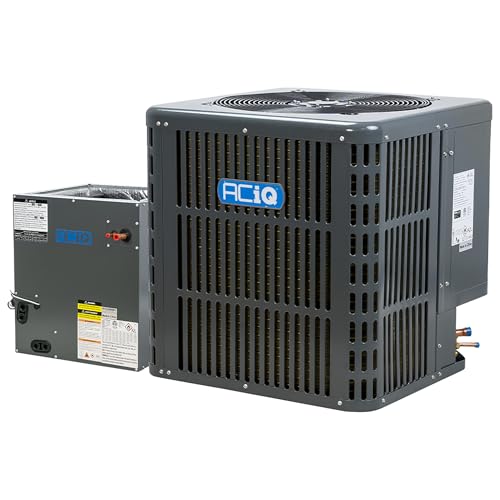
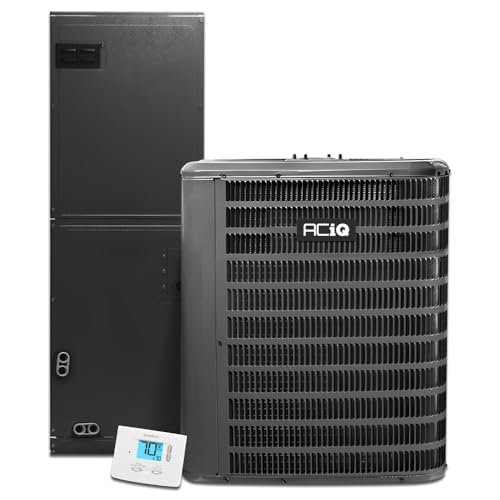
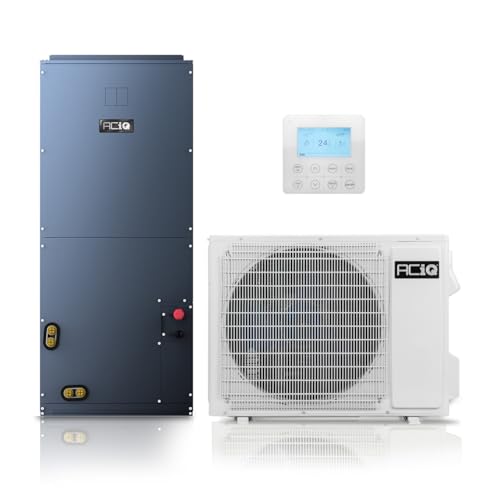
A central AC system consists of two main components: an outdoor condenser/compressor unit and an indoor evaporator coil mounted on your furnace or air handler. The system uses refrigerant to absorb heat from indoor air and release it outside. Cooled air is then distributed through ductwork and vents. Modern systems often pair with a heat pump for year-round heating and cooling. To dive deeper into the refrigeration cycle, read our article on how an air conditioner works.
🌬️ Whole-Home Comfort
Even temperatures across all rooms, no hot spots. Perfect for homes with existing ductwork.
🔇 Ultra-Quiet Operation
The noisy compressor stays outside. Indoor noise level is barely noticeable compared to window units.
⚡ High Energy Efficiency
Today’s central ACs reach SEER2 ratings up to 26, cutting cooling bills by 30–50% vs older systems.
💨 Improved Air Quality
Central systems use high-MERV filters and can integrate air purifiers or UV lights.
Central AC Sizing: Why 1 Ton Makes All the Difference
Proper sizing is critical. An oversized AC short-cycles (wears out faster, leaves humidity high), while an undersized unit runs constantly and struggles to cool. Central AC capacity is measured in tons (1 ton = 12,000 BTU). A typical 1,500–2,000 sq ft home needs 2.5 to 3.5 tons. Use our BTU calculator by room size for rough estimates, but a professional Manual J load calculation is the gold standard. Learn more about consequences of wrong sizing before you buy.
| Home Square Footage | Recommended Central AC Size (Tons) | BTU Equivalent |
|---|---|---|
| 1,000 – 1,500 sq ft | 1.5 – 2 tons | 18,000 – 24,000 BTU |
| 1,500 – 2,000 sq ft | 2 – 3 tons | 24,000 – 36,000 BTU |
| 2,000 – 2,500 sq ft | 3 – 4 tons | 36,000 – 48,000 BTU |
| 2,500 – 3,200 sq ft | 4 – 5 tons | 48,000 – 60,000 BTU |
Understanding SEER2 and Energy Efficiency
Since 2023, the Department of Energy (DOE) mandates new SEER2 standards for more realistic testing. For central ACs in the northern US, minimum SEER2 is 13.4; in the southern (Southeast/Southwest), it’s 14.3–15.2. Higher SEER2 means lower operating costs. For example, upgrading from a 10 SEER to an 18 SEER unit can save $400–$800 per year. Look for ENERGY STAR certified models, which also may qualify for federal tax credits up to $600 and local rebates. If you also heat with electricity, consider a heat pump: read what is HSPF rating.
Central AC Installation Cost Breakdown (2025 Realistic Pricing)
Installing a new central air conditioner typically ranges from $3,800 to $7,500 for a complete replacement (equipment + labor). For new construction or homes without existing ductwork, costs can reach $10,000–$15,000. Here’s what influences price:
- Equipment tier: Standard single-stage ($2,500–$4,000), two-stage ($3,500–$6,000), or variable-speed inverter ($5,500–$9,000).
- SEER rating: Higher SEER adds $300–$1,000 per tier.
- Ductwork modifications: Repairing or sealing ducts adds $500–$2,000. Explore ductwork design guide.
- Electrical upgrades: Some homes need a new 240V circuit or breaker: $300–$800.
For precise figures, get quotes from 3 licensed contractors. Check our guide on AC installation cost breakdown and how to choose an HVAC contractor.
Central AC vs Ductless Mini-Split vs Window Units
If your home has no ductwork, you might consider a ductless mini-split AC. While mini-splits offer zoning and high efficiency, central AC is usually better for larger homes (2,500+ sq ft) or if you already have ducts. Window air conditioners are cheaper but noisy and only cool one room. For whole-home comfort, central AC remains the top choice. Read the detailed ductless vs ducted AC comparison.
Central AC Maintenance: Extend Lifespan to 15+ Years
A well-maintained central AC lasts 12–15 years (sometimes 20). Neglected units often die in 8–10 years. Perform these tasks:
- Replace or clean air filter every 1–3 months. See when to replace AC filter.
- Keep outdoor condenser clear of debris and vegetation (2 feet clearance).
- Schedule annual professional tune-up: $150–$300. Learn annual service cost details.
- Check refrigerant levels and inspect for leaks. Our refrigerant leak repair guide helps.
- Clean evaporator and condenser coils. How to clean AC condenser coils.
Also, use a programmable thermostat or smart Wi-Fi control to optimize run times. Setting the temperature 7–10°F higher when away can save 10% yearly.
Troubleshooting Central AC Issues
Even the best systems may encounter problems. Before calling a technician, check:
- AC not cooling: Dirty filter, low refrigerant, or frozen coils. Solutions: fix AC not cooling.
- AC blowing warm air: Thermostat setting, tripped breaker, or failed compressor. See AC blowing warm air fixes.
- Water leakage indoors: Clogged condensate drain line. Learn why AC leaks water.
- Unusual noises: Grinding or screeching may indicate motor or fan issues. Diagnose AC noises.
When in doubt, refer to when to call an HVAC technician.
Inverter vs Single-Stage: Which Central AC to Choose?
Most standard central ACs are single-stage (100% capacity or off). Two-stage units run at 70% capacity for mild days, enhancing comfort and efficiency. Variable-speed (inverter) compressors adjust continuously, offering the best dehumidification and energy savings. Learn the differences: inverter AC technology vs non-inverter AC. For quiet operation and smart home integration, explore AC with Wi-Fi & smart control.
📌 Ready to buy a central AC? After reading this guide, you’re equipped to choose the right size, efficiency, and contractor. Remember: always compare at least three proposals, verify licenses, and check warranty coverage. The recommended products below are top-rated central AC systems from trusted brands like Trane, Carrier, Lennox, and Goodman, updated with real price ranges.