Highest SEER Air Conditioner:
Ultimate Guide to Ultra-Efficient Cooling
Maximize energy savings with top-tier SEER ratings. Learn about SEER2, inverter technology, payback periods, and the most efficient systems available.
Shop Top SEER ACs →💡 Why SEER matters: Seasonal Energy Efficiency Ratio (SEER) measures cooling output divided by energy consumption. The highest SEER air conditioners (20+ SEER) can cut your electricity bills by 40–60% compared to older 10 SEER units. With new DOE SEER2 standards effective 2023, minimum efficiency has risen, making high-SEER systems smarter than ever.
What Is the Highest SEER Rating Available?
As of 2026, the highest SEER ratings for residential central air conditioners reach up to 28 SEER for ducted systems and an impressive 42 SEER for some ductless mini-split ACs and heat pumps. Ultra-efficient inverter AC technology enables these top-tier ratings by continuously varying compressor speed instead of cycling on/off. Among the most efficient models, brands like Daikin, Mitsubishi, Carrier, and Lennox offer units that exceed 24 SEER, delivering exceptional comfort and low operating costs.
However, the "highest SEER" alone doesn't guarantee the best value. You must balance upfront cost, climate, and usage. Our guide helps you understand what SEER rating makes sense for your home and how to calculate long-term savings.
Highest for central ducted AC
Max for ductless mini-splits
Typical price premium vs standard (14-16 SEER)
Energy savings compared to 14 SEER
SEER vs SEER2: Understanding New DOE Standards
In 2023, the U.S. Department of Energy introduced SEER2, a more realistic testing standard that accounts for external static pressure in real-world installations. A highest SEER air conditioner under old SEER might show 24 SEER, but the SEER2 equivalent could be around 21-22. When comparing models, always check SEER2 numbers. For example, a unit rated 20 SEER typically translates to approximately 18 SEER2. Don't worry – manufacturers clearly label both. The new standard ensures you get the efficiency you pay for. Learn more about SEER vs SEER2 differences and how they affect your purchasing decision.
Highest SEER vs Standard SEER: Cost & Savings Comparison
| Efficiency Tier | SEER Range | Typical Price (3-ton system) | Annual Energy Cost* | 10-Year Savings vs 14 SEER |
|---|---|---|---|---|
| Standard (Minimum new) | 14–16 SEER | $3,000–$4,500 | $720 | — |
| High Efficiency | 17–19 SEER | $4,800–$6,500 | $540 | $1,800 |
| Highest SEER (Ultra) | 20–28 SEER | $7,000–$12,000+ | $380 | $3,400+ |
*Based on average US cooling season (1,500 hours), electricity $0.14/kWh, 3-ton unit. Actual savings vary by climate and utility rates.
Key Technologies That Unlock Highest SEER Ratings
To achieve SEER ratings above 20, manufacturers incorporate advanced components:
- Inverter-driven compressors: Unlike non-inverter AC units that run at full speed or off, inverter compressors modulate capacity precisely, eliminating energy-wasting start-stop cycles. This is why inverter AC systems dominate high-SEER categories.
- Variable speed blowers & condenser fans: They adapt airflow to real-time demand, reducing electrical draw while maintaining temperature stability.
- Enhanced coil designs (microchannel or all-aluminum): Maximize heat exchange efficiency.
- Two-stage or multi-stage compressors: While less efficient than full inverter, two-stage units (18-20 SEER) offer a balance between cost and performance. Two stage AC systems are excellent mid-range options.
If you're considering upgrading from an older single-stage unit, our guide on single stage AC explains the benefits of moving to variable-speed technology.
Which AC Types Offer the Highest SEER?
Not all air conditioner types can reach the highest SEER numbers. Here's a breakdown:
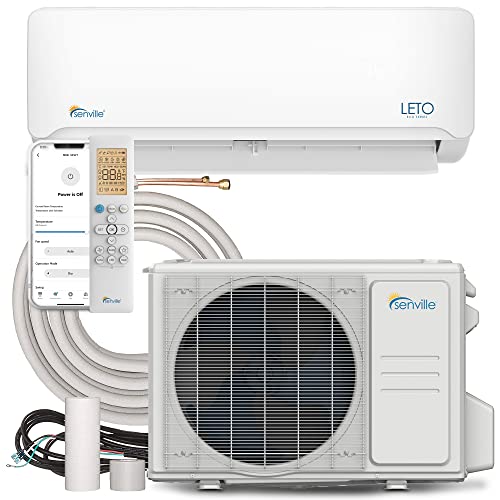
- Ductless Mini-Split AC: Industry leader, with ratings up to 42 SEER (like the Daikin Quaternity or Mitsubishi Hyper Heat). No duct losses make them ultra-efficient.
- Central Air Conditioning: Top-tier inverter-driven central units (Lennox XC25, Carrier Infinity 24) reach 26–28 SEER. Ideal for whole-home with existing ducts.
- Window Air Conditioner: Maximum SEER typically 15-17 due to size constraints. For highest efficiency in a window format, look for U-shaped inverter models (Midea U-shape ~15 CEER).
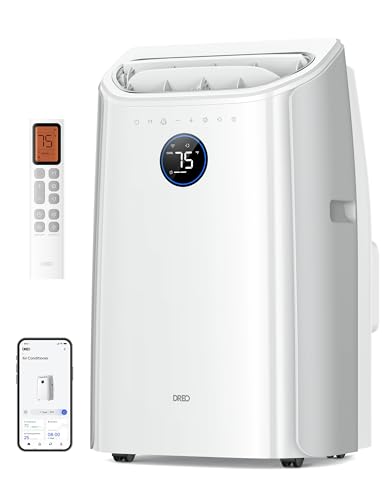
- Portable Air Conditioner: Lowest efficiency (SEER ~8-12). Not recommended for highest SEER goals.
- Heat Pump vs Air Conditioner: Many highest-SEER units are also heat pumps, offering both cooling and heating efficiency (HSPF up to 13+).
For whole-home retrofits without ductwork, ductless mini-splits provide the absolute highest SEER ratings while also offering zoning flexibility.
Proper Sizing Is Critical for Highest SEER Performance
Even the highest SEER air conditioner will perform poorly if oversized or undersized. An oversized AC short cycles, drastically reducing real-world efficiency and dehumidification. Always perform a Manual J load calculation before purchasing. Our BTU calculator by room size helps for single rooms, but whole-home systems require professional assessment. Combining proper sizing with a high-SEER variable speed AC ensures optimal comfort and energy savings.
⭐ ENERGY STAR Most Efficient 2026: The EPA recognizes products that achieve the highest efficiency levels. Look for the "ENERGY STAR Most Efficient" badge on models with SEER ≥ 18 (north) or ≥ 16 (south) with additional criteria. These units often qualify for ENERGY STAR certified AC rebates and federal tax credits up to $2,000 thanks to the Inflation Reduction Act. Check current HVAC tax credits & rebates before purchasing.
Should You Buy the Highest SEER? Climate & Usage Matter
The financial and environmental return from a highest SEER system depends heavily on your climate and cooling hours:
- Hot & Humid (South, Southeast, Southwest): With 2,000+ cooling hours per year, a 24 SEER vs 16 SEER saves $400+ annually. Payback occurs within 5-7 years. Highly recommended.
- Mixed Climate (Mid-Atlantic, Midwest): 1,200–1,800 hours – payback 7–10 years. Consider 18–20 SEER for balance.
- Cool/Northern States: Under 1,000 cooling hours, a 16-18 SEER unit often makes more sense unless you value premium features or plan to stay 15+ years.
Additionally, if you plan to install solar panels or want to reduce carbon footprint, the highest SEER AC significantly lowers overall energy consumption. Read more about most energy efficient AC strategies to complement your green home goals.
Final Verdict: Is the Highest SEER Air Conditioner Right for You?
If you live in a hot climate, plan to stay in your home for 7+ years, and value low energy bills and premium comfort (consistent temperatures, near-silent operation), investing in a highest SEER air conditioner (20+ SEER) is a wise decision. Combined with federal tax credits and potential utility incentives, the net cost gap narrows significantly. For renters or short-term homeowners, a mid-tier inverter AC with 17-19 SEER provides excellent efficiency without the highest upfront premium.
Below you’ll find our recommended highest SEER air conditioners from trusted brands, updated with current pricing and features. Each product link supports our research at no extra cost to you.