Clean AC Condenser Coils: Complete DIY Guide for Better Efficiency
Boost your air conditioner's cooling power, slash electricity bills, and prevent costly breakdowns with this step-by-step condenser coil cleaning guide.
Why Clean Your Condenser Coils?
Your air conditioner's condenser coils (located in the outdoor unit) are responsible for releasing heat absorbed from inside your home. When these coils become clogged with dirt, leaves, grass clippings, and debris, your AC system struggles to expel heat efficiently. This forces the compressor to work harder, increasing energy consumption by up to 30% and shortening the lifespan of your unit. Regular cleaning AC condenser coils is one of the most cost-effective maintenance tasks you can perform.
Lower Energy Bills
Clean coils improve heat transfer, reducing electricity usage by 15–30% during peak summer months.
Extend AC Lifespan
Prevents compressor overheating and wear, adding years to your central air conditioning system.
Better Cooling Performance
Restores your AC's original cooling capacity, keeping your home comfortable even on the hottest days.
How Often Should You Clean Condenser Coils?
Most HVAC professionals recommend cleaning your outdoor condenser coils at least once per year, ideally in spring before heavy cooling season begins. However, you may need to clean more frequently if:
- You live near busy roads or construction sites (more dust and debris)
- Your outdoor unit is surrounded by cottonwood trees, grass, or flowering plants
- You have pets that shed hair near the unit
- You notice reduced cooling performance or higher than normal energy bills
If you're unsure about proper AC sizing or overall system health, a clean condenser is the first step to diagnosing other issues like refrigerant leaks or failing compressors.
🛠️ Tools & Supplies You'll Need
- Garden hose with adjustable spray nozzle
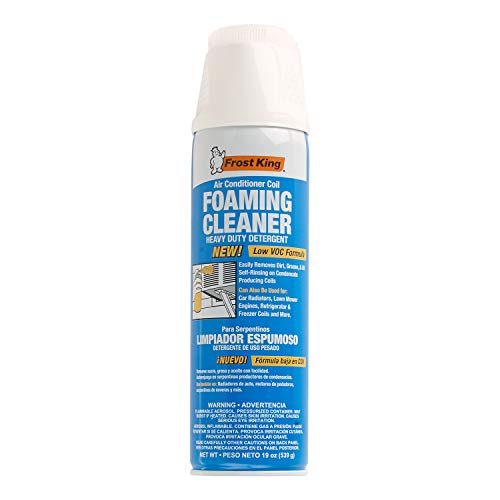
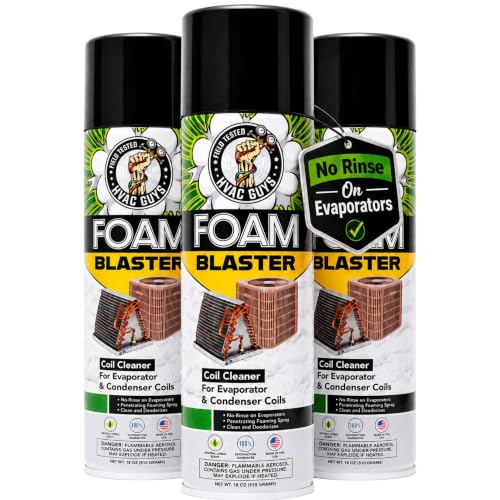
- Commercial coil cleaner (foaming type recommended)
- Soft-bristle brush or coil cleaning brush
- Screwdriver (for accessing panels)
- Fin comb (to straighten bent coil fins)
- Work gloves and safety glasses
- Shop vacuum (optional for heavy debris)
- Drop cloth or plastic sheeting (to protect nearby plants)
Estimated cost: $10–$25 for coil cleaner if purchased separately. Most homeowners already own a garden hose and basic tools.
Step-by-Step Guide to Clean AC Condenser Coils
Turn Off Power to the Unit
Locate the outdoor disconnect box (usually a gray metal box near the condenser) or switch off the corresponding breaker in your main electrical panel. This is critical for safety. Use a voltage tester to confirm power is off. This also protects the fan motor during cleaning.
Remove Debris and Access Panels
Clear away leaves, grass, twigs, and dirt from the outside of the unit. Remove the top fan grille (usually held by a few screws) and carefully lift out the fan motor assembly (set it aside gently without disconnecting wires). On many units, you can also remove side panels to access the coil interior. Refer to your AC maintenance guide for model-specific instructions.
Spray Coils with Water (Initial Rinse)
Use your garden hose with a gentle spray nozzle to wet the coils from top to bottom. This removes loose dirt and prepares the surface for coil cleaner. Avoid using a pressure washer – high pressure can bend delicate aluminum fins and cause damage.
Apply Foaming Coil Cleaner
Shake the coil cleaner can well and spray an even layer over the entire condenser coil surface. The foam will expand, lifting embedded grime and grease. Allow it to sit for 10–15 minutes (or follow manufacturer instructions). Avoid getting cleaner on electrical components or nearby plants – cover them with plastic if needed.
Rinse Thoroughly from Inside Out
Rinse the coils with water, spraying from the inside of the unit toward the outside whenever possible. This pushes dirt out the way it entered. Continue rinsing until water runs clear and no soap residue remains. For ductless mini-split systems, the outdoor condenser cleaning follows similar steps.
Straighten Bent Coil Fins
Inspect the coil fins for any damage or bending. Use a fin comb (choose the correct teeth-per-inch size) to carefully straighten bent fins. Proper fin alignment ensures maximum airflow across the coil, which is essential for efficiency. This is also a good time to check for signs of refrigerant leaks (oily spots).
Reassemble and Restore Power
Reinstall the fan assembly and all access panels securely. Turn the power back on at the disconnect or breaker. Set your thermostat to cool and verify that the outdoor fan runs smoothly and air from vents feels colder. You’ve successfully completed clean AC condenser coils maintenance!
⚠️ Safety Warning: Never use harsh chemicals like bleach or acidic cleaners on your condenser coils – they can corrode the aluminum and copper. Also, avoid bending the fins with sharp tools. If you're uncomfortable with any step, call a professional HVAC technician for help.
Pro Tips for Best Results
- Clean on a cool day: Early morning or evening prevents cleaner from drying too quickly.
- Protect landscaping: Cover nearby plants with a tarp – coil cleaner runoff can harm vegetation.
- Don't forget the evaporator coil: Indoor evaporator coils also need periodic cleaning. Check our how to clean AC filter guide for indoor maintenance.
- Keep area around unit clear: Maintain at least 2 feet of clearance on all sides of the outdoor unit for proper airflow.
- Combine with seasonal checklist: Use our seasonal AC checklist to cover all maintenance tasks before summer heat arrives.
Signs Your Coils Are Dirty
Not sure if cleaning is urgent? Watch for these red flags:
- Higher than usual electric bills despite normal usage
- Warm air blowing from vents or reduced cooling capacity
- The outdoor unit runs constantly but struggles to reach set temperature
- Visible dirt, grime, or vegetation growth on the coil surface
- Ice forming on refrigerant lines (also indicates low refrigerant or airflow issues)
If you experience AC not cooling issues, cleaning the condenser coils should be your first troubleshooting step before calling for expensive repairs.
Frequently Asked Questions
📌 Keep Your AC in Top Shape
Regular condenser coil cleaning is just one part of proper HVAC maintenance. Don't forget to:
- Change or clean your indoor air filter every 1-3 months – see when to replace AC filter
- Check for ac leaking water signs from indoor unit
- Schedule professional annual AC service for refrigerant check and electrical inspection
- Learn about energy saving tips AC to maximize your savings