How Inverter AC Works: Complete Guide to Variable Speed Technology
Discover the science behind inverter air conditioners, how they save up to 40% energy, and why this technology is revolutionizing home cooling across America.
🔧 Understanding Inverter Technology: Unlike traditional air conditioners that constantly turn on and off, an inverter AC uses a variable-speed compressor that adjusts its cooling capacity continuously. This breakthrough technology delivers precise temperature control, significantly lower energy bills, and exceptional comfort for your home or office.
How Does an Inverter AC Work?
An inverter air conditioner operates on a fundamentally different principle than conventional units. The core innovation lies in the variable frequency drive (VFD) technology that controls the compressor motor's speed. Here's the step-by-step process:
1. Power Conversion: The incoming AC power (110V or 240V) is first converted to DC power, then transformed back to AC at the desired frequency. This process allows precise control over the compressor's rotational speed.
2. Compressor Speed Regulation: When you set your desired temperature, the inverter module continuously monitors the room temperature against your target. Instead of shutting off completely when reaching the set point, the compressor slows down to match the exact cooling demand. If the room heats up quickly, the compressor speeds up automatically.
3. Continuous Operation: Unlike non-inverter AC units that cycle on/off repeatedly (causing temperature fluctuations of 3-5°F), an inverter AC runs continuously at varying speeds. This eliminates the power surge associated with compressor startups and maintains temperature within ±0.5°F of your setting.
This technology represents a significant advancement over traditional single-stage AC systems and even two-stage AC units, offering infinitely variable capacity from approximately 30% to 120% of rated power.
Inverter AC vs Non-Inverter: Key Differences
| Feature | Inverter AC | Non-Inverter AC |
|---|---|---|
| Compressor Operation | Variable speed, continuous | Fixed speed, on/off cycling |
| Energy Efficiency (SEER) | 18-24+ SEER2 | 13-16 SEER2 |
| Temperature Fluctuation | ±0.5°F | ±3-5°F |
| Startup Power Surge | None (gradual ramp-up) | High (5-6x running amps) |
| Noise Level (Indoor) | 19-35 dB (very quiet) | 40-55 dB (audible cycling) |
| Lifespan | 12-15 years | 10-12 years |
| Initial Cost | $1,500 - $4,500+ | $800 - $2,500 |
Energy Savings: Why Inverter AC Reduces Electricity Bills
The most compelling benefit of inverter technology is energy efficiency. Traditional ACs consume the most power during compressor startup — a surge that can draw 5-6 times the normal running amperage. An inverter AC eliminates these power spikes entirely.
SEER (Seasonal Energy Efficiency Ratio) ratings tell the story clearly. A standard non-inverter AC typically achieves 13-16 SEER, while inverter models commonly reach 18-24 SEER2 under the new DOE standards. This translates to 30-40% less energy consumption for the same cooling output.
For example, a 12,000 BTU (1-ton) inverter AC operating 8 hours daily in a moderate climate can save approximately 600-900 kWh annually compared to a standard unit. At average US electricity rates of $0.14/kWh, that's $85-125 saved per year. Over a 12-year lifespan, total savings can exceed $1,500 — more than offsetting the higher initial purchase price.
⚡ Lower Operating Costs
30-40% reduction in electricity consumption compared to fixed-speed ACs. The compressor operates only at the required capacity, never wasting energy.
🌡️ Consistent Comfort
No more temperature swings. Inverter technology maintains your desired temperature within ±0.5°F, eliminating the "too cold then too warm" cycle.
🔇 Whisper-Quiet Operation
Indoor units operate at just 19-35 dB — quieter than a library. No loud compressor start/stop noises disrupting your sleep or work.
🔄 Faster Cooling & Heating
When needed, inverter compressors can exceed 100% capacity, cooling or heating rooms up to 30% faster than conventional units.
Popular Inverter AC Configurations for Your Home
Inverter technology is available across virtually all air conditioner types. Here are the most popular configurations for US homeowners:
Ductless Mini-Split Inverter AC: The most common application of inverter technology. These systems are perfect for homes without existing ductwork, additions, garages, or for zoning individual rooms. A single-zone system costs $1,500-3,500 installed, while multi-zone configurations range from $4,000-10,000. They achieve SEER ratings of 19-26+.
Central Inverter AC (Variable Speed): Modern central air conditioners increasingly use variable-speed scroll compressors. These systems integrate with existing ductwork and deliver exceptional whole-home comfort. A 3-4 ton central inverter AC costs $4,500-8,500 installed, with SEER ratings of 18-24.
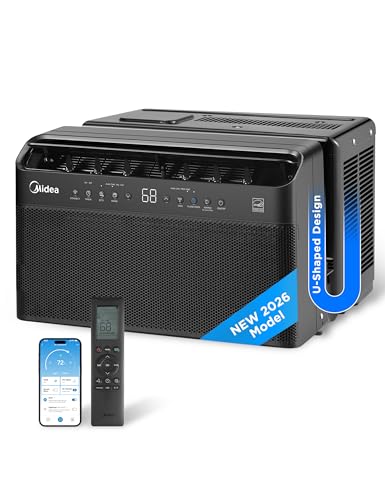
Inverter Window AC: Once limited to high-end units, inverter technology has now reached affordable window ACs priced under $500-800. These are excellent for apartments, home offices, or bedrooms where noise and energy efficiency matter.
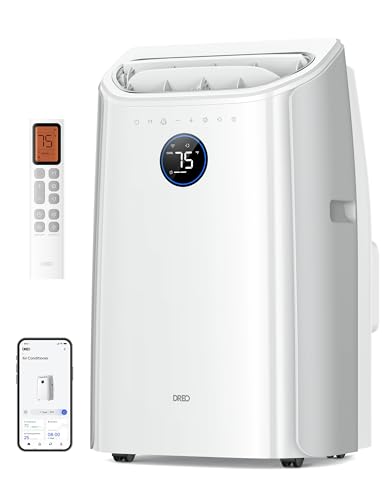
Inverter Portable AC: Portable units with inverter compressors are becoming more common, offering the same energy savings and quiet operation in a movable format. Expect to pay $400-900 for quality inverter portable ACs.
Core Components of an Inverter AC System
Understanding the key components helps appreciate how inverter technology delivers its benefits:
Inverter Module (Driver Board): This is the brain of the system. It converts AC to DC, then synthesizes AC at the required frequency (typically 15-120 Hz) to control compressor speed. Modern modules use IGBT (Insulated Gate Bipolar Transistor) technology for high efficiency and reliability.
DC Brushless Compressor (BLDC): Unlike traditional compressors that use induction motors (which are inefficient at partial loads), inverter ACs use permanent magnet BLDC motors. These provide higher efficiency across all operating speeds and generate less heat.
Electronic Expansion Valve (EEV): This precision valve meters refrigerant flow based on compressor speed and cooling demand. It replaces the fixed orifice or TXV found in non-inverter systems, enabling optimal efficiency at all operating conditions.
Smart Sensors & Microcontroller: Continuous monitoring of indoor/outdoor temperatures, compressor discharge temperature, and refrigerant pressures allows the system to optimize performance in real-time.
📊 Inverter AC Investment Summary
$1,500 – $8,500+
Typical installed cost for residential inverter AC systems (window units start at $400, central systems up to $10,000)
💰 Energy savings: $85-200 per year | Payback period: 3-6 years
Is an Inverter AC Right for Your Home?
Deciding whether inverter AC is worth the investment depends on your specific situation. Here's a practical breakdown:
✅ Best for: Homes in hot climates where AC runs frequently (more than 6-8 hours daily); homeowners planning to stay in their home for 5+ years; those who value consistent temperature and quiet operation; energy-conscious buyers; homes with solar panels (inverter ACs maximize self-consumption).
⚠️ Consider alternatives if: You use AC only occasionally (less than 2 months per year); you're on a very tight budget and can't afford the $500-1,000 premium; you're renting and cannot take the unit when moving; you need a temporary cooling solution.
For most American homeowners, the combination of energy efficiency, comfort, and long-term savings makes inverter ACs the superior choice. Additionally, many HVAC tax credits and rebates are available for ENERGY STAR certified inverter systems (up to $2,000 federal tax credit for high-efficiency heat pumps and central ACs).
Frequently Asked Questions About Inverter ACs
Installation and Maintenance of Inverter ACs
Proper installation is critical for inverter AC performance. Unlike standard units, inverter systems require specialized knowledge of refrigerant charging under variable speed conditions. Always hire qualified HVAC contractors who have experience with inverter technology.
Key installation considerations: Correct refrigerant line set length and insulation; proper vacuum and moisture removal (inverter compressors are more sensitive to contaminants); correct electrical wiring (dedicated circuit with proper amperage); proper outdoor unit placement for airflow and service access.
Maintenance tips for longevity: Clean or replace filters monthly during cooling season; keep outdoor condenser coil clean (annual professional cleaning recommended); check for error codes on the display or remote; schedule annual professional maintenance including refrigerant check and electrical terminal inspection.
For troubleshooting common problems, visit our guides on AC not cooling solutions and frozen coils fixes.
The Future: Smart Inverter ACs and Grid Integration
Inverter technology continues to evolve. Modern smart HVAC technology integrates inverter ACs with home automation systems. Features include Wi-Fi control, geofencing (automatically adjusting when you leave/arrive), usage analytics, and predictive maintenance alerts.
Looking ahead, new refrigerant standards (R32 and R454B) are optimized for inverter systems, offering even lower global warming potential and higher efficiency. The R410A phase-out by 2026-2027 means most new inverter ACs will use next-generation refrigerants with improved performance.
🎯 Key Takeaway: Inverter AC technology represents the most significant advancement in residential cooling in the past 20 years. For homeowners seeking lower energy bills, superior comfort, and quieter operation, an inverter air conditioner is a smart investment that pays for itself over time. Whether you choose a ductless mini-split, central AC, or window unit, prioritize inverter models for maximum value.