How Long Does an Air Conditioner Last?
Average lifespans, maintenance secrets, and smart replacement advice for every AC type.
Check AC Lifespan →Quick answer: A well-maintained central air conditioner lasts 15–20 years. Ductless mini-split systems typically last 12–15 years, while window units and portable air conditioners have a shorter lifespan of 8–12 years. The actual longevity depends on installation quality, regular maintenance, usage patterns, and environmental factors.
Why Understanding AC Lifespan Matters for Your Wallet
Knowing when your air conditioner is nearing the end of its service life helps you avoid sudden breakdowns during summer heatwaves. It also allows you to budget for a replacement rather than pouring money into expensive repairs for an aging unit. A new ENERGY STAR certified AC can cut cooling costs by 20–40% compared to a 15-year-old system, making replacement a smart financial decision.
Average AC Lifespan by System Type
With annual maintenance
Inverter technology
Budget-friendly option
Frequent moving reduces life
Detailed Lifespan Comparison: Central vs. Mini-Split vs. Window
| AC Type | Average Lifespan | Maintenance Frequency | Replacement Cost (Unit + Install) |
|---|---|---|---|
| Central AC | 15–20 years | Annual professional tune-up | $3,800–$7,500 |
| Ductless Mini-Split | 12–15 years | Clean filters monthly, pro check biannually | $2,000–$5,500 (single zone) |
| Window AC | 10–12 years | Filter cleaning every 2-4 weeks | $150–$800 |
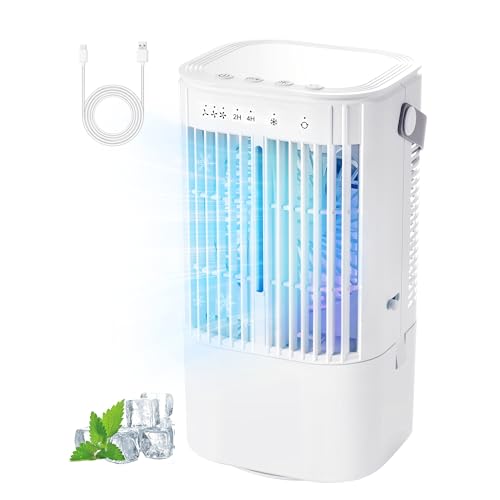
| Portable AC | 8–10 years | Drainage cleaning, filter wash monthly | $250–$700 |
| Through-the-Wall AC | 12–15 years | Similar to window units | $500–$1,200 |
7 Critical Factors That Determine How Long Your AC Lasts
Not all air conditioners are created equal. Even the same model can have drastically different lifespans depending on:
- Installation quality – Poor AC installation causes 80% of early failures.
- Regular maintenance – Units receiving annual maintenance last 40% longer.
- Usage hours & climate – ACs in hot, humid regions work harder.
- Proper sizing – An oversized unit short-cycles and wears out faster (learn why size matters).
- Compressor type – Inverter AC compressors last longer due to soft starts.
- Refrigerant type – Older R-22 systems (pre-2010) may be phased out.
- Electrical quality – Power surges damage components.
8 Clear Signs Your AC Is About to Fail
Don't wait for a complete breakdown. Look for these warning signals that indicate your air conditioner’s lifespan is ending:
- Frequent breakdowns & costly repairs – Two or more repairs in two years.
- Strange noises (grinding, rattling, screeching) – Often compressor or motor failure.
- Blowing warm air or weak airflow – Could be failing compressor or duct leaks (troubleshooting guide).
- Humidity problems indoors – Old units can't dehumidify effectively.
- Sudden spike in energy bills – Efficiency drops as components age.
- Refrigerant leaks (R-22 or R-410A) – Expensive to fix, especially with R410A phase out nearing.
- Thermostat feels “inconsistent” – Temperature swings across rooms.
- AC is more than 15 years old – Even if working, efficiency is likely 50% lower than new ENERGY STAR AC models.
If you notice rust on the evaporator coils, moisture around the indoor unit, or the system uses R-22 refrigerant, it’s time to seriously consider a replacement. Modern inverter AC systems also offer quieter operation and smart controls.
Proactive Maintenance That Adds Years to Your AC
Proper care can push your air conditioner to the upper end of its lifespan. According to HVAC experts, consistent maintenance adds 3–7 extra years compared to neglected units.
✅ Monthly DIY Tasks
- Clean or replace air filters (clogged filters reduce airflow and freeze coils).
- Check thermostat batteries & settings.
- Keep outdoor unit clear of leaves, debris, and plants (2 ft clearance).
🔧 Annual Professional Service
- Clean condenser and evaporator coils.
- Check refrigerant levels and inspect for leaks.
- Lubricate moving parts, tighten electrical connections.
- Calibrate thermostat and test capacitor.
⏲️ Seasonal Prep
- Before summer: complete AC checklist.
- Cover outdoor unit in winter (if no heat pump).
- Inspect ductwork for leaks – seal air ducts to reduce load.
Repair or Replace? A Simple Decision Rule
Many homeowners struggle with whether to fix their aging AC or invest in a new one. Use the “$5,000 rule” or the “Age + Repair Cost” method:
Rule of thumb: Multiply your AC’s age by the repair cost. If the result exceeds $5,000, replace. For example: 12 years × $450 repair = $5,400 → replace. Also, if the unit uses R-22 refrigerant (produced before 2020), replacement is almost always wiser because refilling R-22 costs $150–$300 per pound.
If you decide to replace, consider modern options like ductless mini-split AC for homes without existing ducts, or a high-efficiency variable speed AC that provides superior comfort and lower energy use. Many utility companies offer rebates for upgrading to ENERGY STAR certified units (tax credits up to $600).
Case Study: Upgrading an Old AC Saves $1,200/Year
Consider a home in Texas with a 16-year-old central AC (SEER 10). The homeowner was spending $2,400 annually on cooling. After replacing with a SEER 18 inverter AC ($4,800 installed), their yearly bill dropped to $1,200 — a 50% reduction. The payback period was just 4 years, and the new unit will last another 15+ years with regular maintenance. This shows that even if your current AC still runs, upgrading before failure can be financially brilliant.
Frequently Asked Questions About AC Longevity
Does a heat pump last as long as an AC?
Heat pumps generally last 12–15 years, slightly less than standalone ACs because they run year-round (heating + cooling). However, inverter heat pumps often reach 15–18 years with excellent maintenance.
How often should I replace my AC filter to extend lifespan?
Basic 1-inch filters: every 30–60 days (sooner if pets or dust). Washable filters: every month. A clean filter is the #1 way to prevent compressor failure. Detailed filter replacement guide →
Can a window AC last 20 years?
Rare, but possible with extremely light use (e.g., only 1 month per year) and meticulous cleaning. Most window units suffer corrosion and compressor wear after 10–12 years.
Does a smart thermostat help prolong AC life?
Yes. Smart thermostats reduce unnecessary cycling, allow scheduled maintenance reminders, and can alert you to performance drops. Best smart AC controls →