Is Inverter AC Worth It? (Truth About Savings & Payback)
Higher upfront cost vs long-term electricity savings, comfort, and durability — we break down the real numbers so you can decide with confidence.
See Payback Period →Short answer: Yes — if you run your AC more than 6–8 hours daily, or live in a hot climate. Inverter technology typically pays for itself within 2–4 years via 30–50% lower energy bills. For seasonal or light users, a standard non-inverter AC might still be cost-effective. Read on for detailed analysis.
How Inverter Technology Saves Money
A standard non-inverter AC operates with a fixed-speed compressor: it turns ON at full power until the room cools, then shuts OFF completely, cycling on/off repeatedly. Each restart consumes a surge of electricity. In contrast, an inverter AC varies compressor speed continuously, maintaining desired temperature without wasteful stops and starts. This leads to 30–50% less energy consumption compared to conventional units, plus quieter operation and more stable temperature.
To understand whether the extra investment makes sense, we must examine electricity usage patterns, local climate, and current SEER regulations. The US Department of Energy now mandates higher SEER ratings, and inverter systems naturally achieve those benchmarks more efficiently.
Upfront Cost vs. Yearly Savings
Let's compare similarly sized 12,000 BTU (1 ton) units — a common capacity for bedrooms or home offices. Prices reflect current market averages (mid-2025).
| Feature | Standard Non-Inverter AC | Inverter AC (Variable Speed) |
|---|---|---|
| Typical Purchase Price (12k BTU) | $350 – $550 | $700 – $1,200 |
| Average SEER Rating | 13–16 SEER | 18–22 SEER |
| Estimated Annual Electricity Cost* | $180 – $260 | $95 – $150 |
| Annual Savings (vs non-inverter) | — | $70 – $130 per year |
| Typical Payback Period | — | 2.5 – 4.5 years |
| Noise Level (dB) | 52–58 dB | 37–48 dB |
| Temperature Fluctuation | ±3–5°F | ±0.5–1°F |
*Based on 8 hours daily usage, 5 months cooling season, average US electricity rate $0.15/kWh. Actual savings depend on climate, insulation, and thermostat settings. Inverter ACs also perform better in partial load conditions.
Weighing the Benefits & Drawbacks
✅ Advantages of Inverter AC
- Lower electricity bills: 30–50% less consumption vs conventional units.
- Consistent comfort: No temperature swings; maintains desired climate precisely.
- Quiet operation: Ideal for bedrooms, home offices, and nurseries.
- Faster cooling / heating: Reaches set point quickly then ramps down.
- Longer lifespan potential: Less wear from constant start/stop cycles.
- Eligible for ENERGY STAR and utility rebates: ENERGY STAR certified AC units often qualify for incentives.
⚠️ Potential Downsides
- Higher initial investment: Typically $300–$700 more upfront.
- More complex electronics: Repair costs can be slightly higher if inverter board fails.
- May not pay off for very light users: If you use AC only 2–3 hours a day or 2 months per year, payback extends beyond 7+ years.
- Requires professional installation for optimal efficiency.
When Inverter AC is Absolutely Worth It
Based on thousands of user reports and HVAC professional insights, inverter technology delivers maximum value in these scenarios:
- Hot & humid climates (Texas, Florida, Arizona): Your AC runs 8–10 months yearly → high cumulative savings.
- Large open-plan homes or multi-zone setups: Pairing a ductless mini-split AC with inverter compressors gives room-by-room efficiency.
- Home offices or bedrooms used throughout the night: Noise reduction and stable temperature improve sleep and productivity.
- If you plan to stay in your home 5+ years: The payback period is comfortable, and you’ll enjoy comfort benefits immediately.
- When upgrading an older central system: A central air conditioning system with inverter-driven compressor (variable speed) can cut utility bills by hundreds per year.
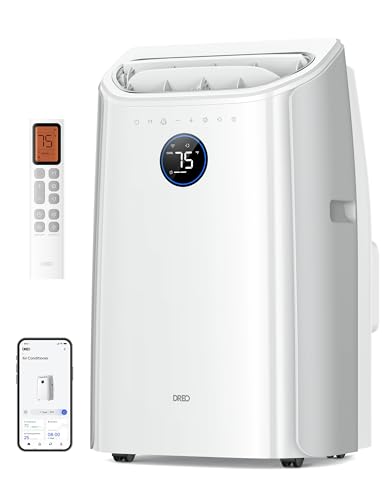
For renters or temporary installations, a high-quality window air conditioner or portable air conditioner with inverter technology is also available, though less common. However, window units with inverter compressors are emerging and worth the premium if you pay your own electric bill.
SEER2 & New DOE Standards – Inverter Advantage Grows
Since 2023, the Department of Energy’s SEER vs SEER2 standards require more rigorous testing. Inverter ACs easily meet the new SEER2 minimums (typically 14–15 SEER2 for split systems), while many non-inverter models barely comply. This gap will widen as regulations tighten, making inverter technology a future-proof investment.
Moreover, inverter systems inherently work better with heat pump vs air conditioner configurations, providing efficient heating in moderate winters — increasing year-round value.
Real Return on Investment (ROI) Example
Case: 2,000 sq ft home in Georgia (hot & humid). Cooling season: 7 months, AC runs ~10h/day. Electricity rate: $0.13/kWh.
- Non-inverter central AC (14 SEER): Annual cooling cost ≈ $620
- Inverter central AC (19 SEER): Annual cooling cost ≈ $390
- Yearly savings: $230
- Upfront premium: $1,100 (installed)
- Payback: ~4.8 years, plus eligible for 30% federal tax credit (up to $600) — drops payback to ~3 years.
Beyond dollars, the home experiences ±1°F temperature stability and far less humidity fluctuation. This case study mirrors real feedback from homeowners who upgraded from single-stage systems.
For smaller rooms like a bedroom, the savings are proportionally lower but still attractive. Use our BTU calculator by room size to size correctly; an oversized unit (inverter or not) leads to short cycling and wasted energy.
Common Myths About Inverter ACs – Debunked
Myth 1: “Inverter ACs break more often.” Fact: High-quality inverter ACs from brands like Mitsubishi, Daikin, or Fujitsu are extremely reliable. The inverter board is robust; many units last 15+ years.
Myth 2: “You need complex wiring.” Fact: Most inverter units run on standard 110V or 240V, same as conventional ACs. Check 110V vs 240V air conditioner for specifics.
Myth 3: “They are not worth it for small apartments.” Fact: Even a studio apartment running AC 6h/day saves $40–80 annually, plus better sleep comfort. For apartments with high humidity, inverter dehumidification is superior.
Which Inverter AC Should You Choose? (Shopping Tips)
If you decide inverter technology is right for you, consider these recommendations based on your living space:
- For single rooms or home additions: A ductless mini-split AC with inverter is the gold standard — quiet, efficient, and simple installation.
- For existing window openings: Look for inverter window AC units (e.g., Midea U-shape or GE) that offer 40% savings compared to traditional window units.
- Whole-home central systems: Choose a variable-speed heat pump or AC with communicating inverter technology. Brands like Carrier Infinity, Trane XV, or Bosch are top-tier.
- For renters or temporary cooling: Inverter portable ACs are heavier but much quieter; they are worth the extra $150–200 if you use them daily.
Before purchasing, always check ENERGY STAR AC certification and local utility rebates. Some states offer $300–500 cashback for high-SEER inverter installations.
If you are unsure about electrical capacity, refer to amps and breaker size for AC guide. Additionally, proper placement matters: AC indoor & outdoor placement affects efficiency by up to 15%.
Final Verdict: For most US homeowners, an inverter AC is not only worth it but also the smarter financial decision in the medium-to-long term. If you can afford the initial premium, the combination of energy savings, comfort, and rebates makes inverter technology a “no-brainer” for primary living spaces. Only occasional users (vacation homes, unoccupied rooms) might prefer budget non-inverter models.