AC Making Noise Solution: Diagnose & Fix Unusual Sounds
Identify rattling, buzzing, clicking, screeching, or banging noises. Step-by-step solutions to restore peace and quiet in your home.
Start Diagnosis →
🔊 Annoying AC noises driving you crazy? Your air conditioner should operate with a gentle hum. Any unusual sound — rattling, buzzing, hissing, or screeching — indicates a problem that needs attention. Ignoring these noises can lead to compressor failure or expensive repairs. This comprehensive guide helps you identify specific sounds, understand their causes, apply DIY fixes where safe, and know exactly when to call a professional.
9 Common AC Noises & Their Solutions
📦 Rattling / Clanking
Common
🔍 Possible causes: Loose panels, debris in outdoor unit, loose fan blade, or unsecured refrigerant lines.
✅ Solution: Turn off AC, inspect outdoor condenser for twigs/leaves, tighten access panels with a screwdriver. If rattling continues, check fan blades — call a technician if blades are misaligned.
Regular maintenance prevents debris buildup.
🐝 Buzzing / Humming
Electrical
🔍 Possible causes: Loose electrical connections, failing capacitor, contractor relay issues, or refrigerant line vibration.
✅ Solution: Buzzing often requires professional diagnosis. Check if outdoor unit is level; tighten electrical panel screws carefully. Old capacitor?
Annual service helps catch electrical failures early. Persistent buzzing → Call an HVAC technician immediately.
⚙️ Screeching / Squealing
Urgent
🔍 Possible causes: Worn fan motor bearings, loose blower wheel, or failing belt (in older units).
✅ Solution: Turn off the system immediately to prevent motor seizure. Lubrication may help temporarily, but most cases need motor or blower replacement. Units with belts should be inspected by a pro. Consider upgrading to a
quiet AC with modern ECM motors.
🔘 Clicking on start/stop
Normal/Abnormal
🔍 Possible causes: Normal relay clicks when system cycles; excessive clicking indicates faulty thermostat or capacitor issues.
✅ Solution: Single click at startup is fine. Rapid clicking suggests low voltage or failing contactor. Check thermostat wiring, replace batteries. If issue persists, an
inverter AC unit provides smoother operation without constant clicking.
💥 Banging / Pounding
Emergency
🔍 Possible causes: Loose or broken connecting rod inside compressor, unbalanced fan, or debris hitting fan blades.
✅ Solution: Shut down AC immediately. Do not restart. This often indicates impending compressor failure. Call a licensed HVAC contractor. If your unit is old, compare
replace vs repair cost — upgrading to a modern
mini-split or central AC may be more cost-effective.
💧 Hissing / Gurgling
Refrigerant Issue
🔍 Possible causes: Refrigerant leak (hissing), normal refrigerant flow (gurgling during operation).
✅ Solution: Hissing indicates a refrigerant leak – turn off AC and contact an EPA-certified technician. Gurgling can be normal in some systems but persistent sound suggests low charge. Schedule
refrigerant leak repair immediately to avoid compressor damage and environmental harm.
〰️ Vibrating Ductwork
Duct Issue
🔍 Possible causes: Loose ductwork, undersized return grille, or high static pressure.
✅ Solution: Check for loose sheet metal screws; use duct sealant or foam tape. Inspect
ductwork design. Adding flex duct isolators can reduce vibration. Professional
duct sealing often eliminates noise and improves efficiency.
🎵 Whistling Noise
Airflow
🔍 Possible causes: Dirty air filter, blocked return vent, or improperly sized ducts.
✅ Solution: Replace your air filter —
clean AC filter monthly. Check all supply/return registers for obstructions. If whistling persists, schedule a static pressure test. Upgrading to
variable speed AC reduces airflow noise.
⚙️ Grinding Metal
Serious
🔍 Possible causes: Bearings failing in fan motor or compressor, debris in fan assembly.
✅ Solution: Immediate shutdown required. Grinding indicates imminent mechanical failure. Contact an HVAC pro. Upgrading to a
high-efficiency inverter system eliminates many mechanical noise issues due to soft-start technology.
Quick DIY Troubleshooting Before Calling a Pro
✔️ Turn off AC & disconnect power – Safety first: shut off at thermostat and breaker panel.
✔️ Inspect outdoor unit – Remove leaves, twigs, dirt. Clear at least 2 feet around condenser.
✔️ Tighten visible screws & panels – Loose cabinet screws cause rattling (use insulated tools).
✔️ Replace air filter – Dirty filters restrict airflow, causing whistling and reduced efficiency.
Replace every 1–3 months.
✔️ Check thermostat settings – Faulty wiring can cause rapid clicking. Try resetting thermostat.
✔️ Listen if noise is indoor or outdoor – Indoor noise: blower motor, ductwork. Outdoor: fan, compressor, debris.
📌 If the problem is beyond simple fixes (electrical buzzing, refrigerant hissing, grinding), do not attempt DIY repairs. Call a certified HVAC contractor.
🛠️ When to Call a Professional Immediately
Some AC noises are dangerous and require an expert technician. Contact an HVAC pro if you notice:
⚠️ Hissing + ice on coils
Refrigerant leak – toxic and reduces efficiency.
⚠️ Banging after shutdown
Compressor mount failure, risk of system destruction.
⚠️ Electrical burning smell + buzzing
Potential fire hazard from capacitor or wiring.
⚠️ Grinding noise during operation
Bearings failed — continued use destroys the motor.
→ Professional diagnostic fees typically range from $80–$200. Many contractors waive the fee if you proceed with repair. Check installation cost estimates for new units if repairs exceed 50% of replacement value.
Prevent Noisy AC Problems With Smart Maintenance
Routine care significantly reduces the chance of disruptive noises. Follow these expert tips to keep your system running silently and efficiently:
- Schedule bi-annual tune-ups: Professional inspection before summer and winter catches loose components, worn belts, and electrical issues early. Learn annual service cost and benefits.
- Change filters religiously: Clogged filters cause whistling, high static pressure, and strain on blower motor — leading to premature bearing wear.
- Keep condenser unit clean: Remove vegetation, trim shrubs, and hose down coils yearly. Dirty coils cause overheating and compressor rattling.
- Install a compressor sound blanket: Aftermarket insulation can reduce vibration noise by up to 50% for older units.
- Upgrade to inverter technology: Inverter ACs run at variable speeds, eliminating constant start/stop clicking and reducing operational noise to near-silent levels (as low as 19 dB).
Best Quiet AC Systems to Avoid Future Noise Issues
If your current AC is old, undersized, or constantly noisy, investing in a modern quiet unit transforms your home comfort. Consider these high-efficiency, whisper-quiet options:
🌟 Top quiet AC recommendations by type:
- Ductless Mini-Split: As low as 19 dB — ideal for bedrooms. Mini-split systems eliminate ductwork noise.
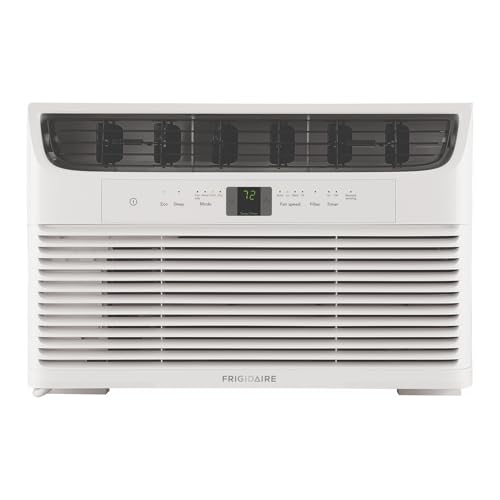
- Inverter Window AC: 42–52 dB, energy-saving, and smooth compressor ramp-up. See window AC units.
- Variable Speed Central AC: Runs on low speeds 80% of the time, drastically reducing noise. Check variable speed technology.
- Portable AC with dual hose: Quieter operation, look for models under 50 dB. Read portable AC guide.
Understanding your AC’s operation helps you detect abnormal sounds earlier. For example, if you hear refrigerant hissing, it could be related to refrigerant cycle failure. Another common culprit is poor installation – common installation mistakes often lead to rattling ducts or loose panels. Also, if your unit frequently cycles on/off causing clicking, you might need proper sizing calculation because an oversized AC short cycles and creates annoying start-stop noise. For homeowners who want an all-in-one solution, upgrading to a whole house AC system with sound-dampening technology provides lasting peace of mind.
Don't forget that annual maintenance plans typically include noise inspections. Additionally, check out our FAQ page for more troubleshooting answers. And if you decide your noisy unit is beyond repair, explore affordable quiet ACs under $1,000 or premium high SEER models with silent operation.