
AC Frozen Coils Solution: Causes, Fixes, and Prevention
If your air conditioner is icing up, the cooling has stopped working, or you see frost on the indoor or outdoor unit, this guide walks you through how to thaw the coils safely, why the freeze happened, and how to prevent it from returning.
START WITH THE FIXWho this guide is for: Homeowners and renters dealing with a frozen AC that still runs but blows warm air, or who have noticed ice on the indoor coil or outdoor refrigerant lines. The goal is to help you thaw the system safely, identify the underlying cause, and decide whether the fix is a DIY task or a professional repair — before the compressor is damaged.
What Are Frozen AC Coils?
Frozen coils — also called an iced-up evaporator or a frozen AC — happen when the indoor evaporator coil drops below the freezing point of water while the system is running. Moisture in the indoor air condenses on the coil and turns to ice instead of draining away. Once ice forms, it blocks airflow across the coil, which makes the coil even colder and accelerates the freezing.
The result is a feedback loop: the system runs continuously, ice builds up, airflow drops, the coil gets colder, and the room gets warmer. If the system is left running in this state, the compressor — the most expensive component — can be damaged. That is why the first step is always to stop the cooling and let the coil thaw before troubleshooting further.
Frozen coils are one of the most common AC problems and one of the most fixable. For a broader look at why a system stops cooling, the guide to things to check when AC is not cooling covers the related symptoms.
Stop Running the Cooling Now
Turn the thermostat to OFF for cooling (or switch the mode to FAN ONLY if the fan still works), and let the ice melt completely. Do not use a heat gun, hair dryer, or sharp tool to chip away the ice — these can puncture the coil or damage the refrigerant lines. Running the system with frozen coils risks compressor damage.
Step-by-Step: How to Thaw Frozen AC Coils Safely
Before you troubleshoot the cause, thaw the system. This protects the compressor and lets you see the coil clearly.
- Turn off cooling at the thermostat. Set the system to OFF or, if the fan still runs, switch to FAN ONLY. This circulates air and speeds up thawing without running the compressor.
- Turn off power to the outdoor unit at the disconnect or breaker. This ensures the compressor cannot start while the system is thawing.
- Remove the air filter and set it aside. Replace or clean it before restarting the system — a dirty filter is the most common cause of freezing.
- Let the ice melt naturally. With the fan running and cooling off, most frozen coils thaw in one to three hours. Place towels or a shallow pan under the indoor unit to catch dripping water.
- Check the condensate drain. Ice melt can overwhelm a clogged drain. Flush the drain line so water flows freely — see AC leaking water solution if the drain is clogged.
- Inspect the coil and filter. Once thawed, look for debris on the coil and confirm the filter is clean. Replace the filter if it is dirty.
- Restore power and test. Turn the breaker back on, set the thermostat to cool, and observe. If the coil freezes again within a day, stop and call a technician — the cause is likely refrigerant or airflow beyond a filter change.
If the indoor coil is not accessible on your system (for example, in a sealed air handler), do not open panels that require tools. Call a licensed HVAC technician — see air conditioning repair places for how to choose one.
Why AC Coils Freeze: The Six Common Causes
Frozen coils are a symptom, not the root problem. The underlying cause is almost always one of the following. Identifying which one applies tells you whether the fix is a DIY task or a professional repair.
| Cause | Symptom | Who Fixes It | Urgency |
|---|---|---|---|
| Dirty air filter | Weak airflow, ice on indoor coil | DIY | essential tier |
| Dirty evaporator coil | Reduced cooling, ice buildup over time | DIY (careful) or pro | essential tier |
| Low refrigerant charge | Ice on indoor coil and outdoor lines, hissing | Licensed technician | high-end tier |
| Blower motor or fan failure | No airflow from vents, coil freezes fast | Licensed technician | high-end tier |
| Blocked return vents | Weak airflow in some rooms, coil ices up | DIY | entry-level |
| Cold outdoor temperature | Coil freezes when running AC in cool weather | Operational change | mid-tier |
Each cause deserves a closer look:
- Dirty air filter. The single most common cause. When airflow drops, the coil gets colder than it should and moisture freezes. Replace or clean the filter every two to four weeks during peak season — see when to replace AC filter.
- Dirty evaporator coil. A coil caked with dust and debris cannot transfer heat properly, and ice forms on the surface. Cleaning the evaporator coil is a careful DIY task for accessible coils, but many systems require a technician — see clean AC evaporator coils.
- Low refrigerant charge. A leak reduces pressure, which drops the coil temperature below freezing. Signs include ice on the outdoor refrigerant lines and a hissing sound. This requires a licensed technician — see AC house freon and recharging freon in air conditioner.
- Blower motor or fan failure. If the indoor blower is not moving air, the coil freezes quickly. Confirm whether air is coming out of the vents. A failing blower requires professional repair — see AC compressor running but not blowing air.
- Blocked return vents. Furniture, rugs, or closed doors can block return airflow. Make sure all return vents are clear and that interior doors are open when the system is running.
- Cold outdoor temperature. Running the AC when the outdoor temperature is below roughly 60°F can cause the coil to freeze because the system is not designed to cool at that outdoor temperature. Use heating mode or wait for warmer weather.
How to Diagnose Which Cause Applies to You
After the system is thawed, work through a simple checklist to identify the cause before you call a technician. This also helps you describe the problem clearly if you do need to call one.
- Check the filter first. Hold it up to a light. If you cannot see light through it, it is overdue for replacement. This alone resolves a large share of frozen-coil cases.
- Confirm airflow at the vents. Turn the fan to ON and check that air comes out of the supply vents. If airflow is weak or missing, the problem is airflow-related — a blocked filter, dirty coil, or blower issue.
- Look for ice on the outdoor lines. Ice on the large insulated suction line outdoors is a strong indicator of low refrigerant charge. This requires a technician — see AC is blowing air but not cooling the house.
- Listen for unusual sounds. Hissing or bubbling near the indoor coil suggests a refrigerant leak. Grinding or humming from the air handler suggests a blower problem.
- Note the outdoor temperature. If the AC was running in cool weather, the freeze may be operational rather than a mechanical fault.
- Check for a clogged condensate drain. A backed-up drain can cause water to pool and, in some systems, contribute to icing — see air conditioning unit leaking water.
If the filter is clean, airflow is strong, and the coil freezes again within a day, the cause is almost certainly refrigerant-related or a mechanical fault. Call a licensed technician. For how to find one, see air conditioning companies near my location.
How to Prevent Frozen Coils From Returning
Prevention is mostly about airflow and refrigerant health. The habits below address the causes that account for nearly all frozen-coil cases.
- Replace or clean the filter on schedule. Every two to four weeks during peak season. This is the single highest-impact habit for preventing frozen coils.
- Clean the evaporator and condenser coils annually. Schedule a professional coil cleaning or clean accessible coils carefully yourself — see clean AC condenser coils.
- Keep return vents clear. Do not block them with furniture, rugs, or curtains, and keep interior doors open when the system is running.
- Verify the blower runs at the correct speed. A blower that runs too slowly can cause freezing. Have it checked during a tune-up — see air conditioning unit tune-up.
- Have refrigerant charge checked during an annual tune-up. A small leak caught early is a straightforward repair; a compressor damaged by running with low charge is not.
- Do not run cooling in cool weather. Use fan-only or heating mode when outdoor temperatures are low, rather than running the AC.
For a season-by-season checklist that covers these steps, see the AC maintenance guide. For ongoing service plans that include coil cleaning and refrigerant checks, see AC maintenance plan.
Related Problems That Often Accompany Frozen Coils
Frozen coils rarely occur in isolation. The same underlying issues often produce other symptoms, and recognizing them helps you address the root cause rather than just the ice.
- AC not cooling: The most common companion symptom. See air conditioning unit not blowing cold air and AC not blowing cold air in house.
- Water leaking from the indoor unit: Ice melt overwhelms the drain pan, or a clogged drain causes overflow. See AC leaking water solution and central air conditioner leaking water inside house.
- Compressor running but not cooling: Often a refrigerant or airflow problem that also causes freezing. See AC compressor running but not cooling.
- Weak airflow from vents: Points to a filter, blower, or duct problem. See central air conditioner not blowing any air inside the house.
- No cooling but the fan runs: Suggests a compressor or refrigerant issue. See air is blowing but not cold in house.
When to Call a Professional
Some frozen-coil causes are DIY fixes; others require a licensed HVAC technician. Call a professional if any of the following applies:
- The coils freeze again within a day after thawing and replacing the filter.
- You see ice on the outdoor refrigerant lines, or you hear hissing or bubbling near the indoor coil — both suggest a refrigerant leak.
- The indoor blower is not running or is making grinding or humming noises.
- The indoor coil is not accessible without opening sealed panels or removing components.
- You are unsure of the cause and want a professional diagnosis before continuing to run the system.
Refrigerant handling and electrical diagnosis require specific tools and training — and in many regions, a license. A technician can confirm the charge, check the blower, and repair the system without risking further damage. For how to choose a provider, see heating and air conditioning service companies.
Recommended AC Maintenance and Repair Essentials
⚠️ AFFILIATE DISCLOSURE: This website contains affiliate links. As an Amazon Associate, we earn from qualifying purchases. If you make a purchase through these links, we may receive a small commission at no additional cost to you. Read our full affiliate policy.

Simple Green Foaming Coil & Condenser Cleaner, 20 Oz Aerosol, 3 Pack, HVAC | Low-VOC, Non-Caustic & Non-Flammable Foam Clings to Coils. Self-Rinses on Condensing Coils. For HVAC, AC & Refrigeration
Check price on Amazon
Simple Green Foaming Coil & Condenser Cleaner, 32 Fl Oz, HVAC & AC Cleaner | Low-VOC, Non-Caustic & Non-Flammable Foam Clings to Coils. Self-Rinses on Condensing Coils. For HVAC, AC & Refrigeration
Check price on Amazon
Quality Chemical Nu-Coil A/C Coil Cleaner, Non-Acid High Foaming Alkaline Concentrate for AC Condenser & Evaporator Coils, Fan Blades & HVAC Units, Non-Flammable, 1 Gallon (128 fl oz)
Check price on Amazon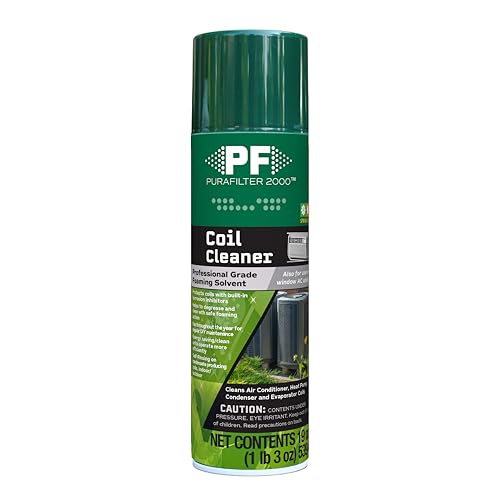
PURAFILTER 2000 Coil Cleaner Foaming Spray | Use on AC HVAC Condensers and Evaporator Coils | Commercial and Professional Grade Cleaner
Check price on Amazon
A/C Safe Air Conditioner Foaming Coil Cleaner With Attached Brush - 19 Oz
Check price on Amazon
ComStar Coil Safe 1 gal Premium AC Evaporator Coil Cleaner, Self-Rinsing | Self-Rinsing, Lemon Scent, Neutral pH Non-Toxic For Commercial/Residential AC, Air Handler & Refrigeration Coils Made in USA
Check price on Amazon
Brodi Coilean Coil Cleaner for AC Unit, Non-Acid, No Rinse, Clinging Foam Lifts Dirt, Lint & Grime, Boosts Airflow, Safe on All Metals (Pack of 1)
Check price on Amazon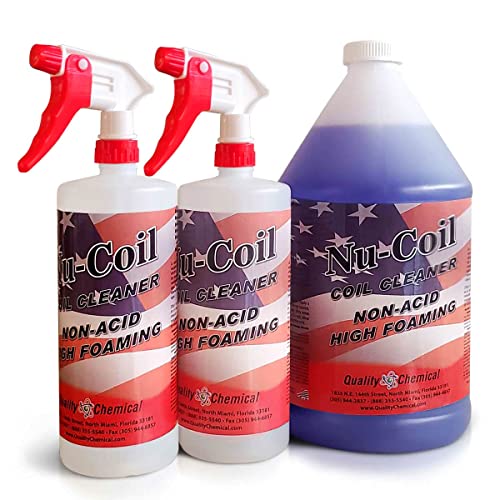
Quality Chemical Nu-Coil A/C Coil Cleaner, Non-Acid High Foaming Alkaline Concentrate for AC Condenser & Evaporator Coils, Fan Blades & HVAC Units, Non-Flammable, 1 Gal + 2 Empty Quarts & 2 Triggers
Check price on AmazonFrequently Asked Questions
Why do AC coils freeze?
AC coils freeze when the evaporator coil temperature drops below freezing while moisture is present. The most common causes are restricted airflow from a dirty filter, low refrigerant charge from a leak, a dirty evaporator coil, a failing blower, or running the AC in cold outdoor temperatures.
Can I run my AC with frozen coils?
No. Running the AC with frozen coils can damage the compressor, which is the most expensive component in the system. Turn the cooling off, switch the fan to ON to circulate air, and let the ice melt before diagnosing the underlying cause.
How long does it take for AC coils to thaw?
Thawing typically takes one to three hours with the fan running and the cooling off. Thicker ice or a heavily frozen coil can take longer. Never use a heat gun, hair dryer, or sharp tool to speed up the process — these can damage the coil and refrigerant lines.
When should I call a technician for frozen coils?
Call a technician if the coils freeze again after thawing and replacing the filter, if you suspect low refrigerant, if the blower is not running, or if you see ice on the outdoor refrigerant lines. Refrigerant work and electrical diagnosis require licensed professionals.
How can I prevent AC coils from freezing?
Replace or clean filters every two to four weeks during peak season, schedule annual coil cleaning, keep return vents unobstructed, verify the blower runs at the correct speed, and have refrigerant charge checked during a professional tune-up. These steps address the most common causes.
Does a frozen coil mean I need a new AC?
Not usually. Most frozen-coil cases are resolved by cleaning or replacing the filter, cleaning the coil, or repairing a refrigerant leak. A new system is only necessary if the compressor has been damaged or the equipment is near the end of its service life. A professional diagnosis will confirm whether repair is the right path.
Need Help with Your AC?
Start with the thaw steps above, replace the filter, and confirm airflow. If the coil freezes again, call a licensed technician before running the system further.
VIEW MAINTENANCE ESSENTIALS