8,000 – 10,000 BTU Air Conditioners: The Complete Guide
Everything you need to know about mid-size AC units: ideal room size, energy efficiency, types, installation, and top-rated models for your home or office.
See Top Recommendations →Why 8,000–10,000 BTU? These mid-size air conditioners perfectly balance cooling power and energy consumption for spaces like master bedrooms, home offices, small apartments, and living rooms between 250 and 450 square feet. Whether you need a window air conditioner, a portable air conditioner, or a ductless mini-split AC, this guide helps you choose the right unit for efficient, quiet, and cost-effective cooling.
Is 8,000–10,000 BTU Right for Your Room?
| Room Size (sq ft) | Recommended BTU | Examples |
|---|---|---|
| 250 – 350 sq ft | 8,000 BTU | Small 1-bedroom apt, large home office, master bedroom |
| 350 – 450 sq ft | 10,000 BTU | Living room, open kitchen-dining area, studio apartment |
| Up to 550 sq ft (with high ceilings) | 10,000 BTU+ (consider 12k-14k) | See our 12,000–14,000 BTU guide |
Use a proper BTU calculator by room size to account for factors like sunlight exposure, ceiling height, number of windows, and occupants. An incorrectly sized unit – either too small or too large – leads to inefficiency and poor dehumidification. Learn more about what happens if AC is too big or too small before making a decision.
📏 Perfect for Medium Rooms
Covers 250–450 sq ft efficiently: bedrooms, home offices, studios, and RVs.
⚡ Energy Efficient Options
Many 8k–10k BTU units now feature inverter AC technology with high SEER ratings (15–22 SEER).
🔌 Standard 115V Outlet
Most 8,000–10,000 BTU air conditioners run on a regular 110V–120V household outlet – no electrician needed. For larger units, see 110V vs 240V AC guide.
💰 Affordable Price Range
Window units from $300–$700, portable from $400–$900, mini-splits $900–$1,500.
Which Type of 8,000–10,000 BTU AC Fits Your Home?
Depending on your living situation, budget, and installation flexibility, you can choose from four main categories:
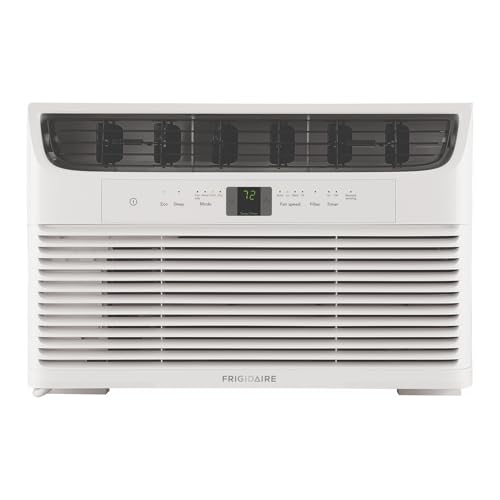
🏠 Window Air Conditioner
Best for: Budget-conscious homeowners & renters with standard double-hung windows.
Price: $300–$700
Pros: Most affordable, easy to install, high energy efficiency (EER 11–12).
Cons: Blocks window, not suitable for sliding windows without adapter.
Full Window AC Guide →
🧳 Portable Air Conditioner
Best for: Renters, rooms without windows, or where window installation is not allowed.
Price: $400–$900
Pros: Movable, no permanent install, includes hose kit.
Cons: Less efficient than window units, hose exhaust takes floor space.
Explore Portable ACs →
🌀 Ductless Mini-Split (9k–12k BTU)
Best for: Homeowners wanting permanent, quiet, and super-efficient solution.
Price: $900–$1,500 (DIY-friendly kits)
Pros: Very quiet (19–25 dB), highest SEER (up to 33), heating option.
Cons: Higher upfront cost, professional installation recommended.
Ductless Mini-Split Guide →
🔧 Through-the-Wall AC
Best for: Rooms with wall sleeves (common in apartments/hotels).
Price: $500–$1,000
Pros: Secure, doesn't block window, good efficiency.
Cons: Requires wall hole, not portable.
Learn about Wall ACs →
Energy Efficiency: SEER, EER & What to Look For
When comparing 8,000–10,000 BTU air conditioners, efficiency ratings directly affect your electricity bill. For window and portable units, the EER (Energy Efficiency Ratio) is standard – aim for 11 or higher. For mini-splits and some high-end portables, check the SEER rating (Seasonal Energy Efficiency Ratio). A higher SEER means lower operating costs. Learn more about what is SEER rating and understand new SEER vs SEER2 DOE standards.
🔋 Efficiency tips for 8k–10k BTU units:
- Look for ENERGY STAR certification – ensures at least 10% more efficient than federal standards. See ENERGY STAR certified AC list.
- Inverter-driven compressors (inverter AC technology) can save 30–50% energy compared to traditional on/off units.
- Check the combined energy label: EER ≥ 12 for window units is excellent; SEER ≥ 19 for mini-splits is top-tier.
- Proper installation (sealing gaps, proper insulation) prevents energy waste – follow our AC installation guide.
Modern Features Worth Paying For
Today's 8,000–10,000 BTU ACs include smart innovations that enhance comfort and convenience. Prioritize these features based on your lifestyle:
- Wi-Fi & Smart Control – Control via smartphone, schedule cooling, integrate with Alexa/Google Home.
- Ultra-Quiet Operation – Look for units with noise levels below 45 dB for bedrooms (mini-splits can be as low as 25 dB).
- Heat Pump Functionality – Some 9k-10k BTU models include reverse-cycle heating, perfect for shoulder seasons.
- Built-in Air Purifier – Dual-action cooling + filtration removes dust, pollen, and allergens.
- Self-Cleaning Mode – Prevents mold and bacteria growth inside the unit after use.
Installation & Electrical Requirements (110V vs 240V)
Most 8,000–10,000 BTU window and portable air conditioners operate on a standard 115V (110-120V) outlet, drawing between 7 to 12 amps. You can plug them into any regular household outlet without special wiring. However, always check the amps and breaker size for AC to avoid tripping. For larger ductless mini-splits in this range (e.g., 12k BTU), some require 208-230V. Read our comparison 110V vs 240V for better understanding.
If you're not comfortable with cutting a window frame or handling electrical connections, we recommend hiring a professional. Use our guide on how to choose HVAC contractor to get licensed installers. Also find out do I need a permit for AC installation in your city.
Keep Your 8k–10k BTU AC Running Efficiently
Regular maintenance extends the lifespan of your air conditioner (typically 8–12 years) and lowers energy bills. Follow these steps:
- Clean or replace filters every 30 days – See how to clean AC filter and when to replace AC filter.
- Inspect and clean coils – Dirty evaporator/condenser coils reduce cooling capacity. Use clean evaporator coils guide.
- Keep outdoor unit clear – For mini-splits, ensure leaves and debris are away. Our seasonal AC checklist helps you prepare for summer.
- Monitor refrigerant levels – If cooling drops, you might have a leak. Learn about refrigerant leak repair and when to call a pro: when to call HVAC technician.
Pro Tip: Setting your thermostat to 78°F when home and using a programmable thermostat or smart control can cut cooling costs by up to 15%. Read ideal AC temperature setting for more strategies.
How Much Does an 8,000–10,000 BTU AC Cost?
Prices vary widely by type and brand. Here's a realistic breakdown (2026 market):
| Type | Price Range | Typical Features |
|---|---|---|
| Window AC (8k-10k BTU) | $300 – $700 | EER 11-12, mechanical or digital controls, some with remotes |
| Portable AC (8k-10k BTU) | $400 – $900 | Dual hose (more efficient), caster wheels, smart apps |
| Through-the-Wall AC | $550 – $1,000 | Higher durability, sleeve required |
| Ductless Mini-Split (9k–12k BTU) | $900 – $1,500+ | Inverter, SEER 20-33, heating option, ultra quiet |
Check our AC price trends and see if you qualify for HVAC tax credits & rebates for high-efficiency units (especially ENERGY STAR Most Efficient).
Avoid These 3 Mistakes When Buying 8k–10k BTU AC
- Oversizing or Undersizing – 10,000 BTU in a 150 sq ft room will short-cycle, waste energy, and not dehumidify properly. Use our how to size an AC guide.
- Ignoring SEER/EER – A cheaper unit with low EER can cost you $150+ more per summer in electricity.
- Poor Placement – Avoid placing thermostats near heat sources or blocking airflow. Read indoor & outdoor placement tips.
Ready to choose? Below are the best 8,000–10,000 BTU air conditioners based on real customer feedback, energy efficiency, and value. Each product includes an affiliate link – when you purchase, you support our free guides at no extra cost.