Inverter AC: The Smart Choice for Energy Efficiency & Comfort
Discover how inverter technology slashes electricity bills, maintains precise temperature, and outperforms traditional ACs. Everything you need before buying.
View Recommended Inverter ACs →What is an Inverter AC? How It Works
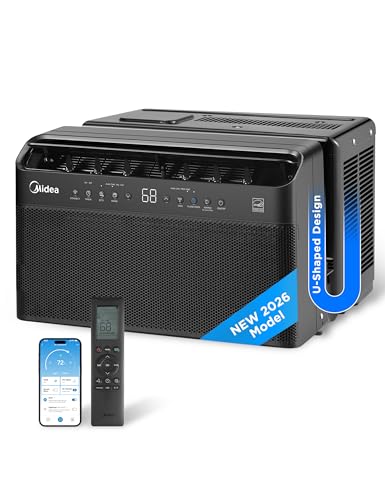
Unlike conventional non-inverter AC units that constantly start and stop the compressor to maintain temperature, an inverter AC uses a variable speed compressor. It adjusts motor speed based on cooling demand: runs faster when needed, slower when near target temperature. This eliminates repetitive on/off cycles, saving massive energy and providing consistent comfort. Inverter technology is available across many formats including ductless mini-split AC, central air conditioning, and even window air conditioner models with inverter drive.
Curious about how the refrigeration cycle pairs with inverter tech? Visit our page: how an AC works for deeper understanding. The magic lies in the inverter drive converting fixed frequency power to variable frequency, allowing the compressor motor to spin at different speeds (from 20% to 110% capacity).
Inverter vs Non-Inverter: Key Differences
Inverter AC
- 30-50% lower energy consumption
- Quieter operation (no constant clicking on/off)
- Precise temperature (±0.5°C)
- Higher SEER rating (up to 26 SEER)
- Best for long daily usage
Non-Inverter (Fixed Speed)
- Lower initial purchase price
- Simple technology, easier repairs
- Higher electricity bills
- Temperature fluctuations (±2–3°C)
- Suitable for occasional use
If you run your AC more than 6–8 hours daily, especially in hot climates, an inverter model quickly pays for itself through electricity savings. For an in-depth breakdown, read our detailed article inverter vs non-inverter: which is right for you?
Energy Savings & SEER Ratings Explained
Inverter ACs achieve outstanding SEER ratings (Seasonal Energy Efficiency Ratio). While minimum US standard is 14–15 SEER (depending on region), inverter units often reach 20–26 SEER. High SEER directly translates to lower operating costs. Learn more about what is SEER rating and the latest SEER vs SEER2 DOE standards. For heating performance if you buy a heat pump model, also check what is HSPF rating.
BTU Sizing & Choosing Capacity for Inverter Models
Selecting the right BTU capacity is still crucial even with inverter technology. Undersized units run at max capacity constantly; oversized units may short-cycle (though inverter tech reduces this risk). Use our BTU calculator by room size or learn how to size an air conditioner. For whole home, refer to AC sizing for whole home. Common inverter AC capacities:
- Small rooms (150–300 sq ft): 6,000–9,000 BTU inverter window or mini-split → 5,000-6,000 BTU AC or 8,000-10,000 BTU AC
- Medium rooms (300–550 sq ft): 12,000 BTU → 12,000-14,000 BTU AC
- Open living areas or small apartments: 18,000 BTU → 18,000-24,000 BTU AC
- Large homes / multi-zone: 30,000–48,000 BTU → 30,000-36,000 BTU AC or higher
Installation & Electrical Considerations
Most ductless mini-split inverter systems require professional installation. However, some inverter window ACs and portable units are DIY-friendly. Before purchase, verify your electrical panel capacity: many larger inverter units need a dedicated 208/230V circuit. Learn about 110V vs 240V air conditioner and amps and breaker size for AC. Always hire a licensed electrician if uncertain — read do I need an electrician for AC? For mini-splits, proper line set installation is critical: refrigerant line set length and how to vacuum AC system.
Best Inverter AC Features to Look For
| Feature | Why It Matters |
|---|---|
| Smart Wi-Fi / IoT control | Remote scheduling, geofencing, voice assistant integration → see AC with Wi-Fi & smart control |
| Energy Star certified | Guarantees high efficiency, qualifies for rebates → ENERGY STAR certified AC |
| Low ambient cooling | Works even in outside temps down to -5°F to 5°F (for server rooms or cold climates) |
| Self-cleaning & anti-mold | Prevents bacteria growth and reduces maintenance → AC with self cleaning |
| Quiet operation (19–25 dB) | Essential for bedroom, home office → quiet air conditioner |
Long-Term Costs: Maintenance & Lifespan
Inverter ACs typically last 12–18 years with proper care. Regular maintenance includes cleaning filters, checking refrigerant, and annual pro inspection. Follow our AC maintenance guide and learn how to clean AC filter. Inverter boards can be expensive to replace after warranty, so choose reliable brands (Mitsubishi, Daikin, Fujitsu, LG, Gree, Midea). For help, see when to call HVAC technician.
Inverter AC for Different Spaces & Use Cases
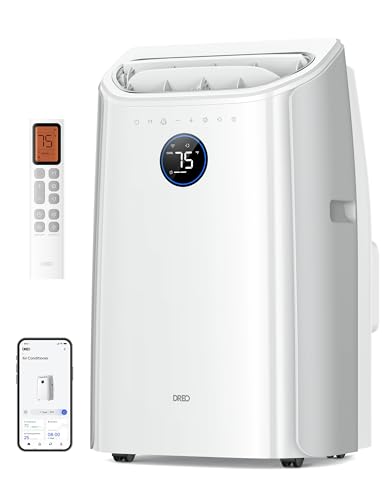
Whether you need cooling for a bedroom AC guide, living room AC, or whole house: inverter technology adapts. For homes without ductwork, ductless vs ducted AC comparison helps; mini-split inverter systems provide zone control and efficiency. If you are a renter, consider portable air conditioner with inverter (quieter and more efficient). For commercial spaces like office building AC, multi-split inverter systems deliver comfort and energy code compliance.
Frequently Asked Questions (FAQ) on Inverter AC
❓ Is inverter AC worth the extra cost?
Absolutely if you use AC more than 5 hours/day. The energy savings typically recoup premium in 2–4 years.
❓ Do inverter ACs work with solar panels?
Yes, they are more solar-friendly due to soft-start and lower surge current. Pair with HVAC tax credits & rebates for extra savings.
❓ Can I install an inverter window AC myself?
Most are designed for DIY installation. Always follow manual and safety guidelines.
❓ Does inverter AC require special refrigerant?
Most use R32 or R410A. Newer models adopt R32/R454B. Read about new refrigerant standards (R32/R454B) and R410A phase out.
❓ Which is more reliable: inverter or non-inverter?
Both reliable if reputable brand. Inverter boards are more complex; however, modern inverters have excellent MTBF.
🎯 Final Takeaway: An inverter air conditioner is the best long-term investment for comfort, lower electricity bills, and environmental footprint. Whether you need a whole house AC system or a compact unit, prioritize inverter models with high SEER. Use the recommendations below to compare top-rated inverter ACs on Amazon — we update prices and availability regularly.