
AC Help Center
Expert answers to the most common air conditioner questions — from sizing and costs to troubleshooting and finding the right contractor
BROWSE FAQ
Most Asked AC Questions
These are the questions our readers ask most often. Click on any question to reveal the full answer with links to detailed guides.
AC sizing depends on several factors: room area in square feet, ceiling height, insulation quality, window size and sun exposure, number of occupants, and heat-generating appliances. As a general starting point, you need approximately 20 BTU per square foot of living space.
- Small rooms (100–150 sq ft): 5,000–6,000 BTU — ideal for bedrooms, home offices
- Medium rooms (150–300 sq ft): 8,000–10,000 BTU — suits living rooms, master bedrooms
- Large rooms (300–500 sq ft): 12,000–14,000 BTU — for open-plan areas, large living spaces
- Whole-home systems: 18,000–60,000 BTU depending on total square footage and layout
However, these are baseline estimates. A room with large south-facing windows, poor insulation, or high occupancy may need 10–30% more capacity. For accuracy, use our BTU calculator by room size or consult a professional for a Manual J load calculation. Installing a unit that is too big or too small leads to inefficiency, uneven temperatures, and premature wear.
The total installed cost of a central air conditioning system depends on unit size, efficiency, brand, and whether ductwork already exists. Here is a realistic breakdown:
| System Size | Home Size | Installed Cost Range |
|---|---|---|
| 1.5 – 2 ton (18,000–24,000 BTU) | 800–1,200 sq ft | $3,500–$5,500 |
| 2.5 – 3 ton (30,000–36,000 BTU) | 1,200–2,000 sq ft | $4,500–$7,500 |
| 3.5 – 5 ton (42,000–60,000 BTU) | 2,000–3,500+ sq ft | $6,500–$12,000+ |
Costs include the condenser, evaporator coil, refrigerant lines, and basic labor. Additional expenses may include ductwork modifications, electrical upgrades, permits, and removal of old equipment. High-efficiency models with SEER 18+ add $800–$2,000 to the base price but qualify for potential tax credits and rebates. For a detailed estimate tailored to your home, see our installation cost guide.
The lifespan of an air conditioner varies by type and how well it is maintained:
- Central AC: 15–20 years with annual professional maintenance
- Ductless mini-split: 15–20 years, sometimes longer with proper care
- Window AC: 8–12 years
- Portable AC: 5–10 years
Several factors shorten or extend lifespan. Units that are incorrectly sized work harder and fail sooner. Skipping seasonal maintenance — such as filter changes, coil cleaning, and refrigerant checks — accelerates wear. Living in coastal or high-humidity areas also reduces lifespan due to corrosion. If your AC requires frequent repairs, struggles to cool, or is over 10–15 years old, compare the cost of replacement versus continued repairs — replacing is often more economical in the long run.
SEER (Seasonal Energy Efficiency Ratio) measures how efficiently an AC converts electricity into cooling. The higher the SEER, the less energy consumed for the same cooling output. Current DOE minimum standards require at least 14 SEER for central AC (15 SEER for split systems).
Here is a practical buying guide:
- SEER 14–15: Meets minimum requirements, lowest upfront cost. Suitable for mild climates or occasional use.
- SEER 16–17: Best value for most homeowners. Noticeable energy savings over minimum units with modest price premium of $200–$600.
- SEER 18–21: Ideal for hot climates with long cooling seasons. May qualify for ENERGY STAR certification and government rebates. Payback period is typically 3–6 years.
- SEER 22+: Ultra-high efficiency for maximum savings. Premium pricing ($1,000–$3,000+ above base models) makes sense only in extreme-heat regions or for whole-home systems running constantly.
Also note that new SEER2 ratings have replaced the original SEER standard — a SEER2 14.3 is equivalent to the old SEER 15. Read our full guide on choosing the right SEER rating for your situation.
For most households, yes. An inverter AC uses variable-speed compressor technology that continuously adjusts cooling output to match the room's needs, rather than shutting on and off like a non-inverter model. This results in several advantages:
- Energy savings of 30–50% compared to non-inverter units, especially during extended use
- More consistent temperatures without the temperature swings of on/off cycling
- Quieter operation at low and medium speeds — see our guide to quiet AC units
- Longer compressor lifespan since the compressor does not repeatedly start at full load
The cost premium varies: roughly $100–$400 more for window units, $500–$1,500 more for mini-split systems. If you run your AC more than 6–8 hours daily during summer, the payback period is typically 1–3 years. For occasional use (a few hours a week), a non-inverter may be more cost-effective. Read our detailed inverter vs non-inverter comparison to decide based on your usage pattern.
Timing your purchase can save you hundreds of dollars. Here is how the pricing cycle typically works:
- Late winter to early spring (February–April): The best time to buy. Demand is low, so retailers and contractors offer off-season discounts of 10–25%. Installers also have more availability, so you can schedule installation at your convenience.
- Late summer to fall (September–November): Second-best window. Retailers clear inventory before winter, often marking down remaining stock by 15–30%. Installation is also easier to schedule.
- Summer (June–August): Peak season — highest prices and longest wait times for installation. Emergency replacements during heat waves can cost 20–40% more. Avoid buying during this period unless absolutely necessary.
For more strategies, including when specific AC types go on sale, see our guide on the best time to buy an air conditioner.
Both options have distinct advantages depending on the type of AC you need and your level of expertise:
Local HVAC dealers are the better choice for central AC and mini-split installations. They provide professional sizing, proper installation (which is critical for efficiency and warranty), ongoing maintenance, and direct warranty support. A poorly installed system can lose 20–30% efficiency regardless of its SEER rating. See our guide on how to choose an HVAC contractor for vetting tips.
Big box stores (Home Depot, Lowe's, Best Buy) work well for self-installable units like window ACs and portable ACs. They offer competitive pricing, easy returns, and broad brand selection. However, their installation subcontractors may vary in quality. Our local HVAC vs big box store comparison breaks down the pros and cons in detail.
For online shopping, our guide on where to buy AC online covers the most reputable retailers and what to watch for regarding shipping, returns, and authorized dealers.
Many common AC issues have simple DIY solutions, while others require a licensed technician due to safety, refrigerant handling laws, or technical complexity:
You can likely fix yourself:
- AC not cooling enough — often caused by a dirty filter. Learn how to clean your AC filter
- Weak airflow — check for blocked vents, dirty coils, or a clogged filter
- AC cycling on and off frequently — could be a dirty filter, thermostat issue, or incorrect size
- Uneven cooling — check for blocked supply vents, leaking ducts, or poor insulation
Call a professional for:
- Refrigerant leaks — handling refrigerant requires EPA certification
- Compressor failure — the most expensive component; diagnosis requires specialized tools
- Electrical issues — burning smell, tripped breakers, or frayed wiring pose fire hazards
- Unusual noises like grinding, screaming, or metal-on-metal sounds — indicate internal mechanical failure
Our guide on when to call an HVAC technician helps you make this decision confidently. The average annual service cost is $150–$300, which can prevent far more expensive repairs down the line.
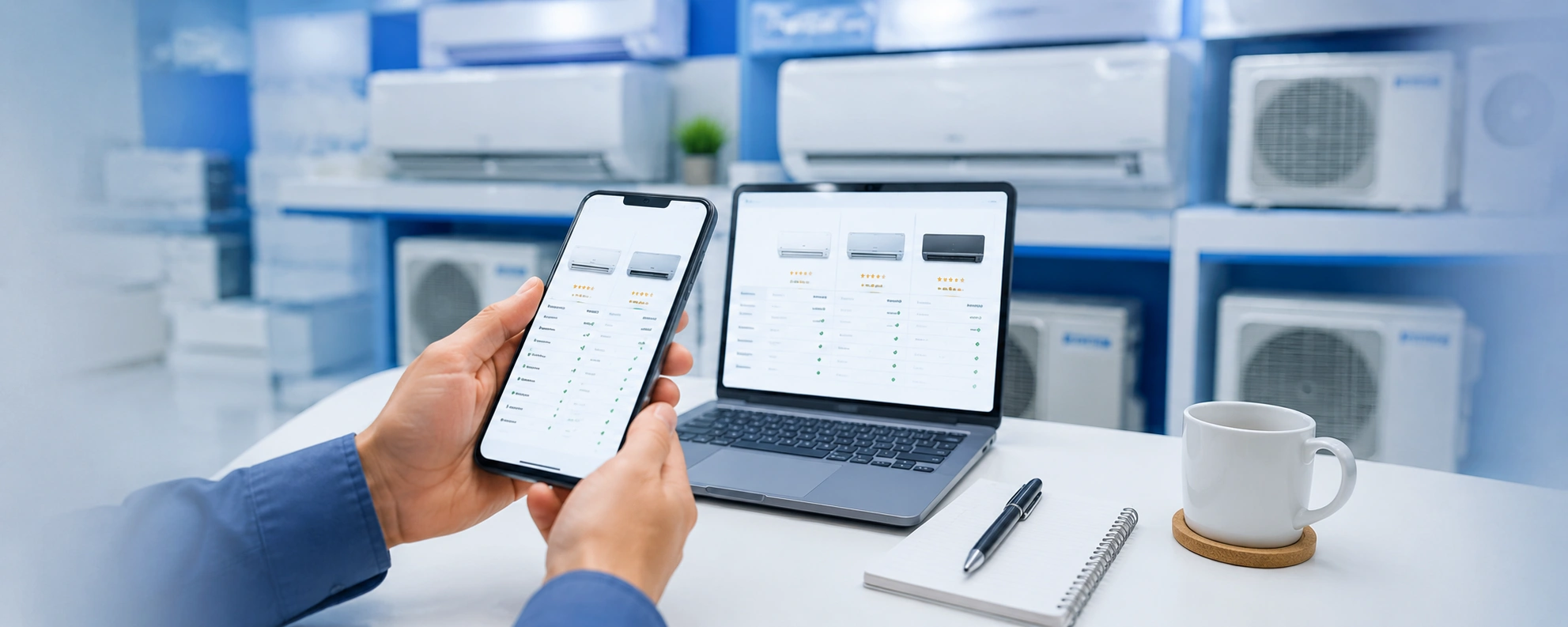
Shopping Guide & Service Support
Beyond the top questions, these in-depth resources cover everything you need to shop smart, protect your investment, and get reliable service.
Smart Shopping
Save money and avoid costly mistakes by knowing exactly what to look for, when to buy, and where to find the best deals on air conditioners.
Warranty & Protection
Understanding your AC warranty prevents unexpected expenses. Learn what is covered, how to register, and how to file claims correctly.
Find a Contractor
A great AC unit performs poorly with bad installation. Learn how to find, evaluate, and hire a qualified HVAC professional in your area.
Maintenance & Repairs
Regular maintenance extends your AC's life and prevents expensive breakdowns. Understand service costs and what a maintenance plan covers.
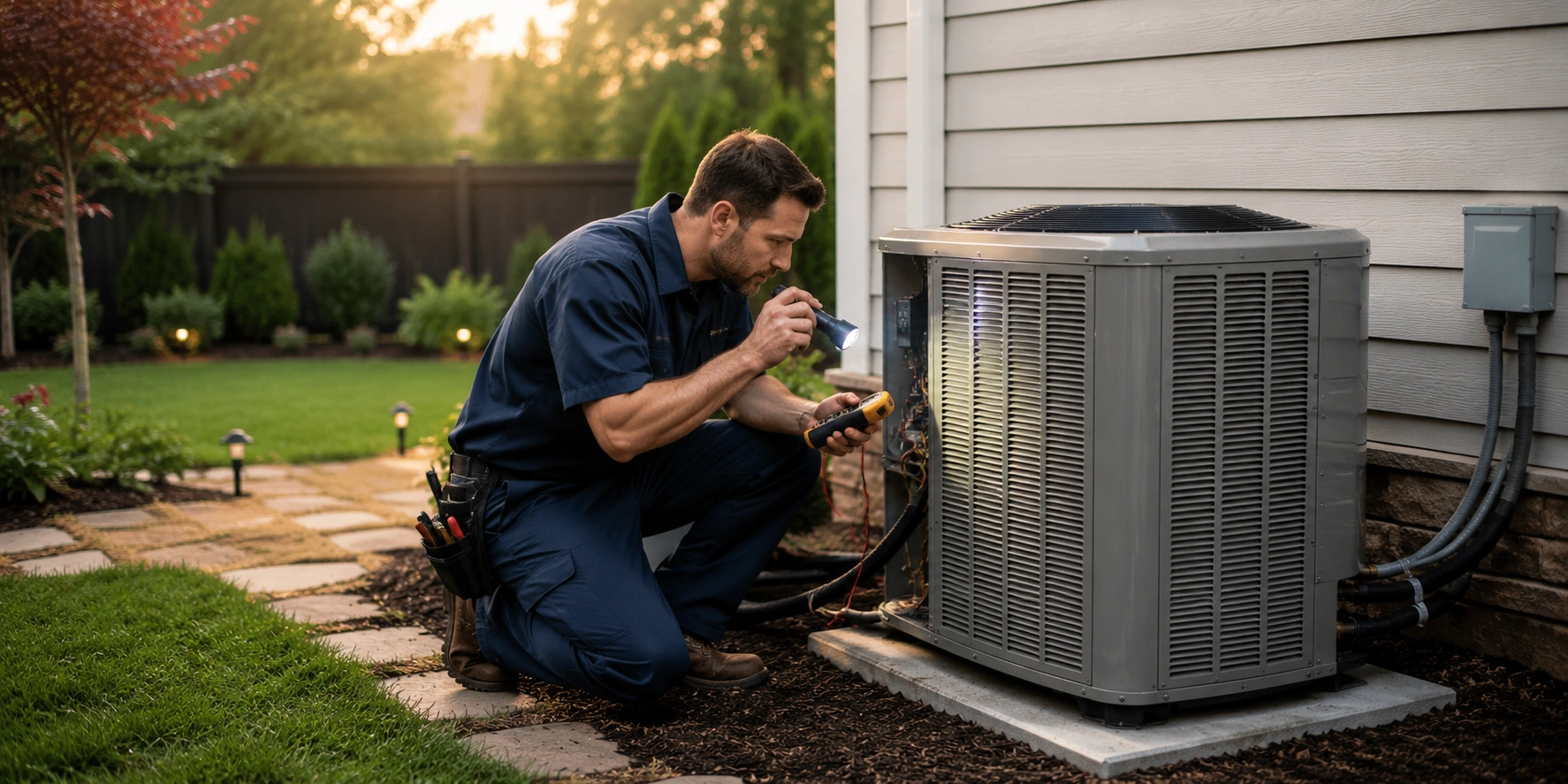
Quick Troubleshooting Reference
If your AC is not working properly, click on the issue you are experiencing to jump directly to our step-by-step solution guide. Each guide covers causes, DIY fixes, and when to call a professional.


