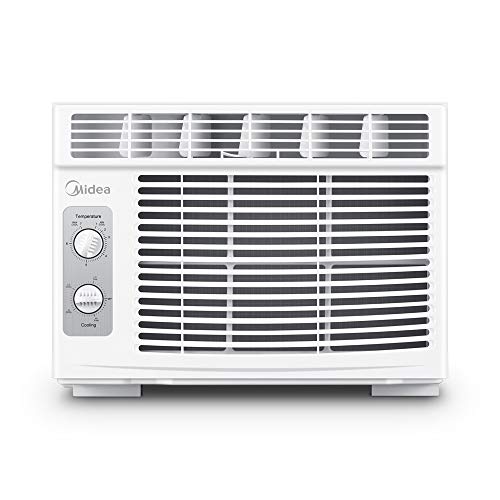
Low Wattage AC Units: Cool Your Home & Save Electricity
Discover energy-efficient air conditioners that lower your carbon footprint and slash utility bills — without sacrificing comfort.
⚡ Why Choose Low Wattage AC? Standard air conditioners can consume 1,500–5,000 watts, causing high energy bills. Low wattage AC units (typically 400–1,200 watts) use advanced inverter technology and high-efficiency compressors to deliver powerful cooling with up to 50% less energy. Ideal for small apartments, RVs, bedrooms, or anyone seeking lower electricity costs and ENERGY STAR certified performance.
What Defines a Low Wattage Air Conditioner?
Low wattage air conditioners are designed to operate using less electrical power while still providing effective cooling. Typically, a standard window AC or portable unit consumes between 900W and 1,800W. True low-wattage models range from 400W to 1,200W for small-to-medium rooms, making them perfect for bedrooms, home offices, or even RVs and campers. The most efficient units feature inverter compressors that adjust speed based on cooling demand, avoiding the constant on/off cycling that wastes energy.
📉 Lower Energy Bills
Running a low wattage AC (600W) for 8 hours costs roughly $0.60–$0.80/day depending on your electricity rate, compared to $1.50–$2.50 for conventional units. Over a full summer, savings exceed $150–$300.
🔌 Perfect for Solar or Backup Power
Low power consumption allows these ACs to run on solar setups, portable power stations, or small generators. Great for off-grid cabins, tiny homes, or emergency cooling during blackouts.
🌱 Eco-Friendly Operation
Reduced electricity demand lowers greenhouse emissions. Many low wattage ACs use eco-friendly R32 refrigerant and meet strict DOE efficiency standards.
Low Wattage AC Power Usage by Type & BTU
Understanding wattage helps you choose the right AC without overloading circuits. The table below compares average power consumption across different AC types and capacities.
| AC Type | BTU Range | Avg. Wattage | Ideal Room Size |
|---|---|---|---|
| Window AC (Inverter) | 5,000–8,000 BTU | 450–750W | 100–250 sq ft |
| Ductless Mini-Split | 9,000–12,000 BTU | 600–1,100W | 250–450 sq ft |
| Portable AC | 8,000–10,000 BTU | 900–1,200W | 200–300 sq ft |
| Inverter Floor Mounted | 12,000 BTU | 700–1,000W | 400 sq ft |
| Through-the-Wall AC | 10,000 BTU | 850–1,100W | 300–350 sq ft |
Note: Actual wattage varies by SEER rating, temperature settings, and usage habits. Look for SEER2 ratings above 18 for best efficiency.
Why Choose a Low Wattage AC? Top Benefits for Homeowners
- Reduce monthly electricity bills: Perfect for bedrooms, guest rooms, or home offices that don't require heavy cooling.
- Prevent circuit breaker trips: Older homes with 15-amp circuits can safely run low-wattage ACs without electrical upgrades.
- Quiet operation: Low power models, especially inverter units, run at lower speeds, creating less noise – ideal for light sleepers.
- Compatible with renewable energy: Use solar panels or battery backups to stay cool off-grid.
- Environmentally responsible: Lower carbon footprint aligns with green living goals.
How to Choose the Right Low Wattage AC for Your Space
Selecting the correct low-wattage AC involves more than just checking power consumption. Follow these steps to ensure maximum efficiency and comfort:
Step 1: Calculate BTU Needs
Use our BTU calculator: Multiply room square footage by 20 BTU for standard ceilings. For a 200 sq ft bedroom → 5,000–6,000 BTU (5,000–6,000 BTU units). Oversizing wastes energy; undersizing forces the AC to run constantly.
Step 2: Prioritize Inverter Technology
Inverter ACs vary compressor speed, consuming 30–50% less power than non-inverter models. They maintain consistent temperature without frequent restarts, ideal for low wattage operation.
Step 3: Check SEER / CEER Ratings
For window/portable units, look for CEER ≥ 12. For mini-splits, SEER2 ≥ 18 ensures low wattage consumption. ENERGY STAR certified models are always a safe bet.
💡 Pro Tip: If you plan to use the AC in a home office or bedroom for more than 6 hours daily, investing in a low wattage AC with inverter technology can pay for itself in under two years via energy savings.
Best Low Wattage Air Conditioner Types Compared
Not all low wattage ACs are equal. Here's how popular types compare in terms of power draw, installation, and overall cost.
🪟 Window Inverter AC
Wattage: 450–800W | Price: $350–$700
Best for renters and homeowners who need a simple, low-cost solution. Newer models feature Wi-Fi & smart controls and quiet operation. Easy to install in double-hung windows.
🌀 Ductless Mini-Split
Wattage: 600–1,200W | Price: $1,200–$2,800+
Most energy-efficient option for whole-room or multi-zone cooling. No duct losses, ultra quiet, and highest SEER ratings (up to 33 SEER). Ideal for home additions, garages, or sunrooms.
📦 Portable AC (Dual Hose)
Wattage: 900–1,200W | Price: $400–$800
Good for temporary cooling or spaces where window installation isn't possible. Prefer dual-hose models for better efficiency. Look for inverter portable units which use 700–900W.
🧱 Through-the-Wall AC
Wattage: 800–1,100W | Price: $500–$1,200
Permanent solution for wall sleeves, more secure than window units. Choose ENERGY STAR models with variable-speed compressors for low power draw.
Maintenance Tips: Keep Your Low Wattage AC Running Efficiently
Even the most efficient AC can lose its low-wattage advantage without proper care. Regular maintenance ensures minimal power consumption and extends lifespan.
- Clean or replace filters every 30 days: Dirty filters increase wattage by 15% or more. Follow our AC filter cleaning guide.
- Inspect and clean condenser coils: Dust buildup forces the compressor to work harder. Use our coil cleaning tutorial.
- Seal gaps around the unit: Prevent cool air leakage using weatherstripping or foam insulation.
- Set thermostat wisely: For every degree below 78°F, energy use rises 3–4%. Combine with ceiling fans to feel cooler at higher temps.
- Annual professional checkup: Especially for mini-splits and central ACs, schedule a technician to check refrigerant levels and electrical components.
📘 Still unsure which low wattage AC fits your home? Read our comprehensive AC Buying Guide or use the Whole-Home Sizing Tool. Make an informed decision before you buy!