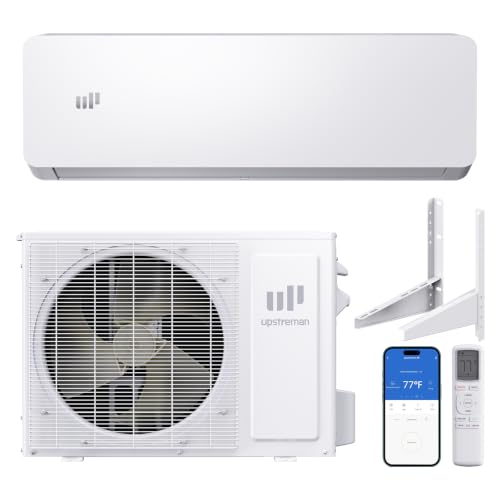
18,000–24,000 BTU Air Conditioner: Powerful Cooling for Large Spaces
Ideal for open floor plans, great rooms, small homes, and commercial areas up to 1,400 sq ft. Learn sizing, electrical needs, efficiency ratings, and find the best unit for your situation.
Shop Top 18k–24k BTU Models →Are you looking at 1.5 to 2 ton cooling capacity? Units rated between 18,000 BTU and 24,000 BTU (1.5–2 tons) are designed for larger rooms, combined living areas, or smaller homes. This guide helps you avoid costly mistakes — oversizing or undersizing an AC for your space. Use our insights to make an informed decision before you buy.
Room Size & Coverage Guide for 18,000–24,000 BTU
18,000 BTU (1.5 Ton)
Covers up to 1,000–1,200 sq ft under normal ceiling height (8 ft). Ideal for large master suites, open kitchen-living rooms, or 2-bedroom apartments.
Example spaces: 30'x40' open area, small restaurant sections, or home addition.
21,000 BTU (~1.75 Ton)
Covers up to 1,200–1,300 sq ft. A sweet spot for homes with high ceilings, lots of windows, or warmer climates. Great for main-floor living spaces.
Pro tip: If your room gets direct afternoon sun, go for a 21k–24k unit.
24,000 BTU (2 Ton)
Covers up to 1,300–1,500 sq ft. Perfect for small houses (up to 1,500 sq ft), large condos, or home offices with multiple rooms. Also suitable for light commercial like boutique shops.
If you need to cool an area larger than 1,500 sq ft, consider 30,000–36,000 BTU units or a central AC system. For extra accuracy, use our BTU calculator by room size before choosing capacity. Oversized AC will short-cycle, increasing humidity and energy bills; undersized AC will run continuously and never reach comfort.
Electrical Requirements: 208/230V & Dedicated Circuit
⚡ Important: Most 18,000–24,000 BTU air conditioners require 208/230 volts (240V) and a dedicated circuit with at least 15–20 amps. They are not compatible with standard 110V household outlets. Always consult a licensed electrician before purchasing a high-capacity AC unit. Check out our guide on 110V vs 240V air conditioners to understand the difference.
For a 24,000 BTU AC, you’ll typically need a double-pole breaker and proper wiring. If your home does not have a 240V outlet available, installation costs will increase. Check your home electrical panel and review amps and breaker size for AC units to avoid surprises. Many ductless mini-split systems in this capacity also use 230V, while some portable or window units may have 230V options — always verify specs.
Efficiency Ratings: SEER2, EER & Inverter Technology
When you invest in a large AC, energy efficiency directly impacts your utility bills. For 18,000–24,000 BTU models, target SEER ratings of 16 or higher for optimal savings. Newer federal SEER2 standards raised minimum requirements, so modern units are more efficient than older ones.
| Type / Technology | SEER Range | Best For |
|---|---|---|
| Non-Inverter (Single Stage) | 13–15 SEER | Budget-friendly, mild climates, low usage hours |
| Inverter AC (Variable Speed) | 16–22+ SEER | Energy savings, quiet operation, precise temperature, humid climates → Learn about Inverter AC |
| Two-Stage AC | 16–18 SEER | Middle ground, better dehumidification, fewer startups |
Why inverter matters for large BTU units: Inverter compressors adjust speed to match cooling demand, avoiding the loud on/off cycling of conventional units. This is especially beneficial for open-concept homes where constant airflow feels more comfortable. Read more about how inverter AC works and compare inverter vs non-inverter side by side.
Best AC Types in the 18k–24k BTU Range
Ductless Mini-Split
Most popular choice. Efficient, quiet, no ducts needed. Single-zone units (18k–24k) are perfect for large living areas, while multi-zone can serve 2–3 rooms. Ductless mini-split AC →
Price range: $1,200–$2,800 + installation.
Central Air Conditioner
Ideal for whole-home cooling with existing ductwork. A 2-ton central AC pairs well with homes up to 1,500 sq ft. Central AC guide.
Price range: $3,500–$5,500 installed.
Through-the-Wall / Window AC
Heavy-duty 230V window units exist (e.g., 22k BTU). Permanent wall sleeve models provide robust cooling for apartments. Window AC or Through-the-wall AC.
Price range: $700–$1,500.
Portable AC (Less Common)
Rarely efficient at this capacity because of exhaust hose limitations. Consider only if you cannot install a window or mini-split. Portable AC tips.
Price range: $600–$1,200.
For quiet, energy-efficient operation in large rooms, mini-split systems dominate the 18k–24k segment. They also offer heating via heat pump, making them a year-round solution. Check our AC with heat pump guide if you need both cooling and heating.
Installation Costs & Professional Help
Installing a high-BTU air conditioner usually requires professional HVAC service — especially for mini-split and central systems. Here’s realistic cost breakdown:
- Ductless mini-split installation: $800–$2,000 (includes mounting, line-set, electrical connection).
- Central AC installation (retrofit): $3,500–$7,000 depending on ductwork.
- Window/wall unit 230V install: $150–$400 (if electrician needed).
Before committing, read our installation cost estimate and how to choose HVAC contractor. Also verify warranty registration and local permits. Planning DIY? Not recommended for high-voltage units unless you are an electrician — safety first!
Where Should You Use an 18,000–24,000 BTU AC?
These units are powerful enough for large residential spaces as well as light commercial zones. Popular use cases include:
Great Room / Open Floor Plan
Living + dining + kitchen combined areas easily exceed 800 sq ft. A 21k BTU mini-split keeps everything comfortable.
Living room AC recommendations →Garage or Workshop
Insulated garages up to 700-900 sq ft benefit from a 18k BTU unit. Garage AC guide.
Small Home or Apartment
If you live in a 2-bedroom apartment (~1,200 sq ft), a single 24k BTU ductless system might be your all-in-one solution. AC for small apartment.
Home Office / Studio
For large home offices or creative studios with many computers & equipment, 18k BTU ensures stable temperature year round.
Maintenance Tips for High-Capacity AC Units
To keep your 18,000–24,000 BTU AC running efficiently for 10–15 years, follow these simple tasks: Clean or replace air filters every 1–2 months (clean AC filter guide), clear outdoor condenser coils (clean condenser coils), and schedule annual professional tune-up (annual service cost). If your AC stops cooling or makes weird noises, refer to AC not cooling solutions or AC making noise solutions.
💡 Smart tip: For mini-splits in the 18k–24k range, periodically check drain line clogs and ensure no debris around outdoor unit. Comprehensive AC maintenance guide →
Ready to choose your 18,000–24,000 BTU AC?
Browse real-time prices, compare models, and read verified reviews. The products below are hand-picked from top brands like LG, Daikin, MRCOOL, and Pioneer — all optimized for large room coverage.
🔍 Check Latest Deals on 18k-24k UnitsFrequently Asked Questions (18k–24k BTU)
Does a 24,000 BTU AC need 220V?
Yes, almost all 24,000 BTU air conditioners require 208/230V (240V). Some 18,000 BTU window units may run on 230V as well. Check product label.
What’s the difference between 18,000 and 24,000 BTU?
6,000 BTU difference translates to roughly 200–300 sq ft additional cooling area. Choose based on room size, insulation, sun exposure, and ceiling height. What size AC do I need?
Can I install a 24k BTU mini-split myself?
DIY pre-charged kits (like MRCOOL DIY) exist, but require electrical knowledge. For most homeowners, professional install ensures warranty and safety. Installation guide →
Have more questions? Visit our Help Center or read AC FAQ.