Ideal AC Temperature Setting: Save Money & Stay Comfortable
Discover the perfect thermostat setting for every season, activity, and room to maximize comfort while minimizing energy bills
Did you know? Setting your AC just 1 degree cooler can increase energy consumption by up to 8%. According to the U.S. Department of Energy, the ideal thermostat setting for summer is 78°F (26°C) when you're at home and awake. This guide will help you find the perfect balance between comfort and savings for every situation.
Recommended AC Temperatures for Every Scenario
Why Your AC Temperature Setting Matters
Choosing the right temperature for your air conditioner isn't just about personal comfort—it directly impacts your monthly electricity bill, the lifespan of your central air conditioning system, and even your environmental footprint. The U.S. Department of Energy estimates that households can save up to 10% annually on heating and cooling by simply adjusting their thermostat 7°-10°F from its normal setting for 8 hours per day.
When you understand how different AC types respond to temperature settings, you can make smarter decisions. For example, inverter AC units maintain desired temperatures more efficiently than traditional non-inverter AC systems because they adjust compressor speed continuously rather than cycling on and off.
Season-by-Season Temperature Guide
| Season | Situation | Ideal Temperature | Energy Saving Tip |
|---|---|---|---|
| Summer | Home (awake) | 78°F (26°C) | Use ceiling fans to feel 4°F cooler without lowering the thermostat |
| Summer | Sleeping | 65-68°F (18-20°C) | Use a programmable thermostat to lower temperature automatically at bedtime |
| Summer | Away > 4 hours | 82-85°F (28-29°C) | Avoid cooling empty rooms—close vents in unused spaces |
| Winter (Heat Pump) | Home (awake) | 68°F (20°C) | Wear warm clothing before increasing temperature |
| Winter (Heat Pump) | Sleeping & Away | 60-65°F (15-18°C) | Lowering 10°F for 8 hours saves ~10% on heating bills |
Smart Thermostats: Maximize Your Savings
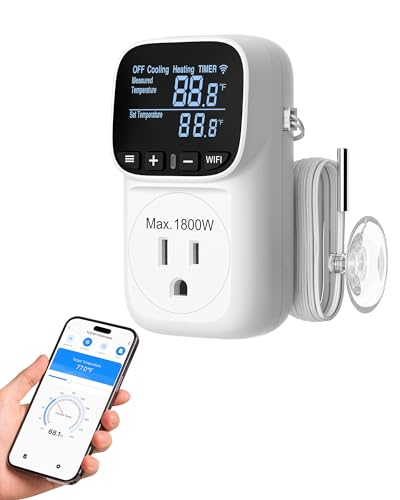
One of the best investments you can make for your home's cooling system is upgrading to a smart or programmable thermostat. These devices automatically adjust your ideal AC temperature setting based on your daily schedule, occupancy patterns, and even local weather forecasts. Modern AC with Wi-Fi & smart control systems can learn your preferences and create optimized schedules that reduce energy waste without sacrificing comfort.
For homeowners with HVAC zoning systems, smart thermostats become even more powerful. You can set different temperatures for bedrooms during the day versus living areas at night, ensuring you're only cooling occupied spaces. This approach is especially effective when combined with ductless mini-split AC units, which already offer independent zone control.
Pro Tips for Perfect Temperature Management
- Use "Auto" Fan Mode: Instead of "ON," use auto fan mode so the fan runs only when cooling. Running the fan continuously can add humidity back into your home.
- Leverage Ceiling Fans: Use ceiling fan with AC to create wind-chill effect. You can raise your thermostat 4°F without noticing any difference in comfort.
- Seal Air Leaks: Before setting your thermostat, ensure your home is properly sealed. Learn how to seal air ducts and close gaps around windows and doors.
- Regular Maintenance: A dirty filter forces your AC to work harder. Follow our guide on how to clean AC filter monthly during peak seasons.
- Program Your Schedule: Set your thermostat to 78°F while at work, then program it to start cooling 30 minutes before you return home.
Common Temperature Setting Mistakes to Avoid
Many homeowners unknowingly waste hundreds of dollars annually by making these common mistakes with their AC temperature settings:
- Cranking the thermostat to 60°F to "cool faster": Air conditioners cool at the same rate regardless of the temperature setpoint. Setting it lower only makes it run longer, wasting energy.
- Turning off AC completely when away: In humid climates, turning off AC can lead to mold and mildew. Set to 82-85°F instead to control humidity.
- Ignoring programmable features: If you have a programmable thermostat but don't set schedules, you're missing 10-15% potential savings.
- Placing heat-generating devices near thermostat: Lamps, TVs, or direct sunlight can trick your thermostat into overcooling your home.
How Different AC Types Impact Your Settings
The type of air conditioner you own significantly influences your ideal temperature strategy. Central air conditioning systems work best with consistent, moderate setback temperatures because they take longer to recover. Ductless mini-split AC units respond more quickly and can be set more aggressively for individual rooms.
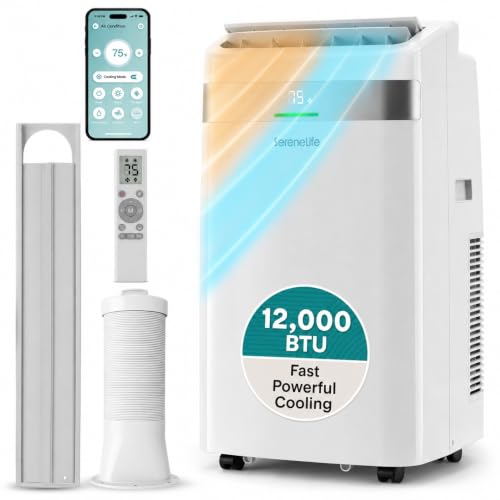
For smaller spaces, window air conditioner and portable air conditioner units are typically controlled locally. These are excellent for bedroom AC applications where you want cooler nighttime temperatures without cooling the entire house. If you have a variable speed AC or inverter technology, you can maintain more precise temperatures with fewer energy spikes compared to single stage AC systems that only operate at full capacity.
Frequently Asked Questions
Ready to optimize your home's cooling? The products below feature smart thermostats, inverter technology, and energy-efficient designs that make maintaining the ideal temperature effortless.
Browse our top recommendations to find the perfect air conditioner for your comfort and savings goals.