Ductless Mini Split AC Guide
Complete resource for choosing, sizing, installing, and maintaining ductless mini split systems for your home or business
Why Consider a Ductless Mini Split? Ideal for homes without existing ductwork, room additions, garage conversions, or multi-zone cooling needs. Up to 30% more efficient than traditional window units or central AC systems with duct losses. Perfect for older homes without ducts and multi-story homes needing zoned comfort.
What Is a Ductless Mini Split AC?
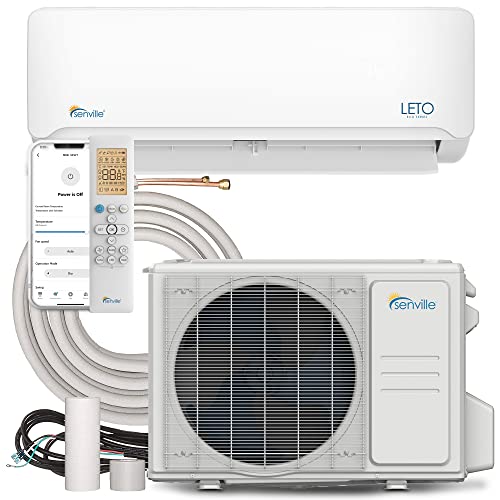
A ductless mini split air conditioner, also known as a ductless heat pump or mini-split system, consists of two main components: an outdoor compressor/condenser unit and one or more indoor air-handling units. These units connect via a small conduit containing refrigerant lines, power cable, and condensate drain. Unlike central air conditioning systems that rely on extensive ductwork, mini splits deliver conditioned air directly into each zone.
This design eliminates energy losses associated with ductwork, which according to the U.S. Department of Energy can account for more than 30% of energy consumption, especially if ducts are located in unconditioned spaces like attics or crawlspaces. Ductless systems also provide greater flexibility for zoning, allowing you to set different temperatures in different rooms.
How Does a Ductless Mini Split Work?
Mini splits operate on the same vapor-compression refrigeration cycle as traditional air conditioners. However, they use inverter technology to vary compressor speed, maintaining precise temperature without wasteful on-off cycling. The outdoor unit pumps refrigerant to indoor units, where fans blow air across evaporator coils to absorb heat from your room. In heat pump models (most modern mini splits), the cycle reverses to provide heating during colder months.
Most ductless systems today feature variable-speed compressors, making them exceptionally quiet and efficient. For more details on compressor technology, read our guide on variable speed AC systems.
✅ Energy Efficiency
SEER ratings from 18 to 30+ (well above standard central AC). No duct losses means you pay less to cool your home.
✅ Zoned Comfort
Individual temperature control for each room or zone. Perfect for bedrooms, living rooms, or home offices.
✅ Easy Installation
Only a 3-inch hole through the wall required. Install in existing homes without major renovation.
✅ Quiet Operation
Indoor units operate at 19-32 dB (quieter than a library). Check our quiet air conditioner recommendations.
Proper Sizing: How Many BTUs Do You Need?
Correctly sizing your ductless mini split is critical for efficiency and comfort. An undersized unit will run continuously without adequate cooling, while an oversized unit will short-cycle, leading to poor humidity control and higher energy bills. Use our BTU calculator by room size for general guidance. Below are typical capacity ranges for single-zone systems:
- 9,000 BTU – Suitable for small bedrooms or offices up to 300 sq ft (approx. $600–$1,200).
- 12,000 BTU – Master bedroom or living room up to 500 sq ft (approx. $800–$1,600).
- 18,000 BTU – Open concept living area or garage up to 800 sq ft (approx. $1,200–$2,200).
- 24,000 BTU – Large family room or small apartment up to 1,200 sq ft (approx. $1,600–$3,000).
- 36,000 BTU+ – Multi-zone systems covering 2,000+ sq ft (approx. $2,500–$5,000+).
For whole-home applications, consider AC sizing for whole home and consult a licensed HVAC contractor to perform a Manual J load calculation to account for insulation, windows, climate, and other factors.
Efficiency Ratings: SEER, EER, and HSPF
When evaluating ductless mini splits, pay attention to these key metrics:
| Rating | What It Measures | Good Range | Best for Ductless |
|---|---|---|---|
| SEER / SEER2 | Cooling efficiency over a season | 18–30+ | 20+ SEER is excellent for energy savings |
| EER | Cooling efficiency at peak temperature | 10–15 | 12+ recommended for hot climates |
| HSPF / HSPF2 | Heating efficiency (for heat pump models) | 9–13 | 10+ for efficient winter heating |
Higher SEER ratings mean lower operating costs. Look for ENERGY STAR certified models, which typically exceed minimum federal standards. Many mini splits now achieve SEER ratings above 25, making them one of the most efficient energy efficient AC options available. Learn more about what SEER rating means and how it affects your electricity bill.
Single Zone vs Multi Zone Systems
Ductless mini splits come in two primary configurations:
Single Zone
One outdoor unit connected to one indoor unit. Ideal for cooling/heating a single room, addition, or garage conversion. Simpler installation and lower upfront cost. Prices range from $800–$2,500 installed.
Multi Zone
One outdoor unit connected to 2, 3, 4, or even 5 indoor units. Perfect for whole house AC system without ductwork. Each zone operates independently. Prices range from $3,000–$10,000+ depending on number of zones.
Multi-zone systems are more economical than installing multiple single-zone systems, but they require proper line set sizing and careful planning. For detailed guidance, see refrigerant line set length considerations and installation requirements.
Installation Costs & Professional Requirements
Installation costs vary based on complexity, number of zones, and local labor rates. Here's a realistic breakdown for 2025:
Single Zone (9k-12k BTU)
Equipment + professional installation
Dual Zone (2 indoor units)
Includes outdoor unit + 2 air handlers
Triple Zone (3 indoor units)
For larger homes or multi-room setups
Quad Zone (4+ indoor)
Whole home solution without ducts
While DIY installation kits exist, we strongly recommend hiring a licensed HVAC contractor for proper vacuuming, refrigerant charge adjustment, and electrical connections. Improper installation can reduce efficiency by 30% and void your warranty. Before purchasing, check if you need a permit in your jurisdiction.
For electrical requirements, most single-zone mini splits run on standard 110-120V circuits, while larger units (18,000 BTU+) typically require 208-230V dedicated circuits. Review our guide on 110V vs 240V air conditioners to understand voltage needs.
Maintenance for Longevity
Ductless mini splits require minimal maintenance compared to central systems, but regular care extends lifespan (typically 15-20 years). Key tasks include:
- Clean filters every 2-4 weeks – Washable mesh filters capture dust and debris. Dirty filters reduce airflow and efficiency. See how to clean AC filter.
- Clean indoor unit coils annually – Use a soft brush or coil cleaner. Refer to clean evaporator coils guide.
- Keep outdoor unit clear – Remove leaves, debris, and maintain 2 feet clearance for proper airflow. Check clean condenser coils.
- Check for refrigerant leaks – If cooling performance drops, call a technician. Learn about refrigerant leak repair.
- Annual professional inspection – Before peak cooling season, schedule a checkup. Typical annual service cost is $150-$300.
Follow our complete AC maintenance guide for seasonal checklists and troubleshooting advice.
Smart Features & Heat Pump Capabilities
Modern ductless mini splits offer advanced features that improve convenience and energy management:
- Wi-Fi and smart control – Many models include apps for remote temperature adjustment, scheduling, and energy monitoring. Explore AC with Wi-Fi & smart control.
- Heat pump functionality – Most mini splits provide efficient heating down to -13°F to 5°F, eliminating the need for separate furnace systems. Compare heat pump vs air conditioner.
- Air purification – Some indoor units feature plasma filters or UV lights to reduce allergens and bacteria. See AC with air purifier.
- Self-cleaning modes – Automatically dry internal components to prevent mold growth. Learn about AC with self cleaning.
Ductless Mini Split vs Other AC Systems
| Feature | Ductless Mini Split | Central AC | Window AC | Portable AC |
|---|---|---|---|---|
| Installation Ease | Moderate (professional recommended) | Major (ductwork required) | Easy (DIY) | Very Easy (DIY) |
| Efficiency (SEER) | 18–30+ | 13–20 | 10–15 | 8–12 |
| Zoning Capability | Excellent (individual control) | Poor (whole home only) | None | None |
| Aesthetic Impact | Wall or ceiling mounted units | Hidden ducts & vents | Blocks window | Floor unit with hose |
| Noise Level (dB) | 19–32 | 45–60 | 50–60 | 50–65 |
| Typical Cost Installed | $800–$10,000 | $3,500–$12,000 | $150–$800 | $300–$900 |
For renters or temporary solutions, window or portable ACs may be more practical. But for homeowners seeking long-term comfort and efficiency, ductless mini splits outperform window units and portable ACs in every metric.
Frequently Asked Questions
Can I install a ductless mini split myself?
While DIY kits exist, professional installation ensures proper refrigerant charge, electrical safety, and warranty coverage. Improper installation is the #1 cause of premature failure.
How long do ductless mini splits last?
With regular maintenance, 15-20 years. Many inverter AC systems have proven longevity exceeding traditional central AC units.
Are ductless mini splits efficient in cold weather?
Yes. Modern cold-climate heat pumps maintain heating capacity down to -13°F to 5°F, making them suitable for most US climates. Check AC with heat pump models for year-round comfort.
What size ductless mini split do I need for a 1,000 sq ft home?
For open concept ~18,000 BTU. For multiple rooms, consider a multi-zone system with 9,000-12,000 BTU per bedroom/living area. Use our sizing guide for precise calculation.
Ready to buy? Browse our recommended ductless mini split systems below. Each product has been selected based on efficiency, reliability, and customer satisfaction. Compare specifications and check current pricing on Amazon.