Best Air Conditioner for Living Room: Complete Guide
Discover how to choose the perfect AC for your living room — from BTU sizing to noise levels, smart features, and energy efficiency.
VIEW RECOMMENDATIONSWhy the living room matters most: Your living room is the heart of your home — where family gathers, guests are entertained, and relaxation happens. Choosing the right air conditioner for this space directly impacts comfort, energy bills, and even home value. This guide walks you through every decision factor.
1. How to Size an AC for Your Living Room
The most common mistake is buying an AC that is either too small or too large. An undersized unit runs constantly without cooling properly, while an oversized unit cycles on and off too frequently, wasting energy and failing to dehumidify. To get it right, you need to calculate the BTU (British Thermal Unit) requirement based on your living room's square footage, ceiling height, sun exposure, and occupancy. Learn the fundamentals with our complete guide on sizing an AC.
As a rule of thumb, a standard living room of 300–400 sq ft typically needs 12,000–14,000 BTU. For larger open-plan living areas connected to a kitchen or dining space, you might need 18,000 BTU or more. Use our detailed BTU calculator by room size for precise numbers. Keep in mind that rooms with large windows, high ceilings, or southern exposure may require a 10–20% BTU increase.
| Living Room Size (sq ft) | Recommended BTU | Suitable AC Types |
|---|---|---|
| Up to 200 sq ft | 6,000 – 8,000 BTU | Window AC, Portable AC |
| 200 – 350 sq ft | 8,000 – 12,000 BTU | Window AC, Portable AC, Mini-Split |
| 350 – 550 sq ft | 12,000 – 18,000 BTU | Mini-Split, Through-the-Wall, Central AC |
| 550 – 800 sq ft (open concept) | 18,000 – 24,000 BTU | Ductless Mini-Split (multi-zone), Central AC |
Pro Tip: If your living room is part of an open floor plan, consider a ductless mini-split AC with multiple indoor units or a zoned central air conditioning system. Avoid using a single portable or window unit for a very large open space — it will struggle and cost more to run.
2. Best AC Types for Living Rooms (Pros & Cons)
Not every air conditioner fits a living room’s aesthetics, noise expectations, and cooling demands. Below are the most suitable types, ranked by popularity for living spaces.
❄️ Ductless Mini-Split
Best for: Homes without ducts, room additions, or when you want zone control. Quiet operation (as low as 19 dB), high energy efficiency (SEER up to 30+), and sleek wall-mounted or ceiling cassette designs.
Price range: $1,200 – $4,500 (installed)
Ideal for: Living rooms that need year-round heating & cooling. Check inverter AC technology for maximum savings.
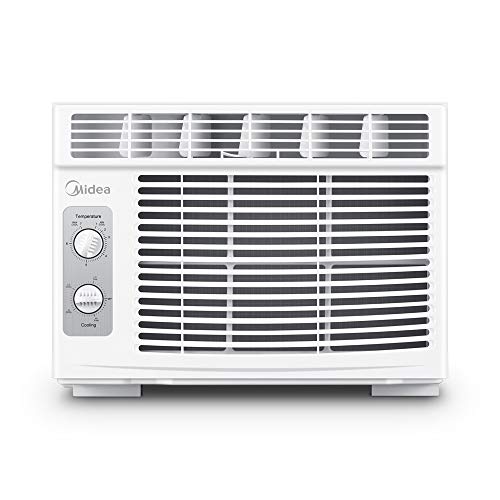
🪟 Window Air Conditioner
Best for: Budget-conscious homeowners or renters. Easy to install, powerful cooling, and affordable ($150–$700). Modern units feature Wi-Fi, remote controls, and energy-saving modes.
Downside: Blocks window view, can be noisy (50–60 dB). Ideal for living rooms up to 400 sq ft.
🌀 Portable Air Conditioner
Best for: Renters or homes where window installation is restricted. Portable units roll from room to room. Most models include a self-evaporative system.
Price: $300 – $900. Tip: Choose dual-hose models for better efficiency. Read our portable AC buying guide.
🏠 Central Air Conditioning
Best for: Whole-home cooling including the living room. Seamless integration, invisible vents, and consistent temperature. Must have existing ductwork.
Cost: $3,500 – $7,500+ (equipment + installation). Look for ENERGY STAR certified AC models with high SEER2 ratings.
Still unsure which type fits your living room? Read our comprehensive overview of all AC types and compare features side by side. If your living room is on the second floor or has vaulted ceilings, a floor mounted AC or high-wall mini-split often works best.
3. Efficiency Ratings & Noise Levels to Look For
Living rooms demand quiet operation, especially if you watch TV, work from home, or host guests. Look for an AC with a noise level below 45 dB for the indoor unit. Quiet air conditioners often use inverter compressors and improved fan blade design.
Energy efficiency directly impacts your monthly electricity bill. The minimum SEER2 standard in the US is now 14.3 for split systems, but for a living room that runs frequently, aim for SEER2 of 16 or higher. Understand the difference between SEER vs SEER2 DOE standards before buying. Also, check the EER rating (especially for window units) — higher EER means better cooling at peak temperatures.
💡 Smart thermostats & zoning: Pair your living room AC with a AC with Wi-Fi & smart control so you can adjust temperature remotely, set schedules, and integrate with Alexa or Google Home. This can reduce cooling costs by up to 15%.
4. Installation & Electrical Requirements
Before purchasing, verify your living room’s electrical capacity. Most window and portable units run on standard 110V-120V outlets, but larger units (above 15,000 BTU) or mini-splits may require a dedicated 220V-240V circuit. Check our guide on 110V vs 240V air conditioner to avoid electrical surprises.
If you choose a mini-split or central AC, professional installation is required. Installation cost estimate ranges from $500 to $2,500 depending on complexity. Always verify contractor licenses and ask about warranties. For DIY-friendly options, window and portable units are relatively simple, but always follow safety guidelines and consider permits if required by local codes.
5. Living Room AC Maintenance Tips
To keep your living room AC running efficiently for years, schedule regular maintenance. Clean or replace filters every 1–2 months, especially during peak summer. Clean AC filter properly to maintain airflow. For mini-splits and window units, inspect coils annually and keep outdoor condenser units free from debris.
Check out the complete AC maintenance guide and seasonal AC checklist to avoid common issues like frozen coils or refrigerant leaks. If your living room AC starts blowing warm air or making unusual noises, refer to common AC problems and DIY fixes before calling a technician.
Bonus: Heat Pumps & Air Purification
Living rooms often double as home offices or entertainment hubs. Consider an AC with a heat pump for year-round comfort. Modern AC with heat pump systems can efficiently heat your living room during winter, replacing your furnace. Also, many high-end units now include built-in AC with air purifier technology, capturing allergens, dust, and pet dander — perfect for households with allergies.
If you live in a region with high humidity, choose a unit with a dedicated dry mode or enhanced dehumidification. For help deciding, visit our complete buying guide covering everything from permits to contractor selection.
Ready to choose your living room AC?
Now that you know the sizing, type, efficiency, and maintenance essentials, you are fully prepared to make a confident purchase. Browse the recommended products below — each has been selected based on real customer reviews, energy efficiency, and suitability for living rooms. Click any product to check the latest price on Amazon (affiliate link). Your comfort starts here.