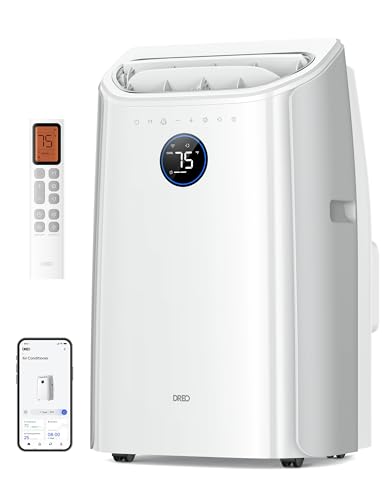
What Happens If Your AC Is Too Big or Too Small?
Choosing the wrong size air conditioner leads to higher energy bills, poor humidity control, frequent repairs, and even early system failure. Discover the real consequences — and how to get it right the first time.
The #1 mistake in HVAC: Buying an air conditioner based solely on price or guesswork. Whether you're considering central air conditioning, a ductless mini-split AC, or a window air conditioner, getting the correct capacity (BTUs) is critical. An improperly sized unit will never perform efficiently — and you'll pay the price in comfort and cash.
Consequences: Short cycling, high humidity, uneven cooling, and wasted energy.
- Short cycling – turns on/off every 5–10 minutes, never runs long enough.
- Poor dehumidification – leaves air clammy, promotes mold growth.
- Higher electric bills – constant start/stop surges consume more power.
- Uneven temperatures – some rooms freezing, others warm.
- Premature wear – compressor and fan motor fail 2-3 years earlier.
🔥 Typical cost of mistake: $1,200–$2,800 extra in energy + repairs
Consequences: Runs continuously, never reaches set temperature, skyrocketing bills.
- Never stops running – works 24/7 on hot days, can't keep up.
- Inadequate cooling – struggles to lower temps below 78°F during peak heat.
- Sky-high energy costs – constant operation doubles or triples consumption.
- Frozen evaporator coils – low airflow + overwork leads to ice buildup.
- Short lifespan – major component failure within 5-7 years.
⚡ Additional annual cost: $400–$1,200+ wasted electricity
Oversized vs Undersized AC: Side-by-Side Reality
| Issue | Too Big (Oversized) | Too Small (Undersized) |
|---|---|---|
| Runtime per cycle | 5–10 min (short cycling) | Runs 20+ hours/day |
| Humidity control | ❌ Poor (60%+ RH indoors) | ✅ Good (if sized close) but still fails to cool |
| Energy efficiency | Low SEER in practice (constant start spikes) | Terrible – never cycles off |
| Comfort level | Cold blasts then hot & sticky | Always warm, never reaches thermostat |
| Lifespan reduction | Reduced by 3-5 years | Reduced by 2-4 years |
Why Sizing Matters: The Science Behind BTUs
An air conditioner’s capacity is measured in British Thermal Units (BTUs) per hour. The how to size an air conditioner guide explains the exact formula, but here's the simple truth: an oversized unit cools the space too quickly, shuts off, and never runs long enough to remove humidity. An undersized unit runs endlessly, drives up bills, and still leaves you sweating. The sweet spot is a correctly sized system based on room square footage, insulation, windows, and climate zone.
Many homeowners make the mistake of thinking "bigger is better" for intense heat waves — but this backfires. Likewise, buying a portable air conditioner that’s too small for a living room will cause frustration. Use our BTU calculator by room size before you purchase. For whole-home systems, professional Manual J load calculation is the gold standard.
Detailed Consequences You’ll Experience
If your AC is oversized (common in rushed installations): Short-cycling causes temperature swings of 5-8°F. Your compressor starts under high inrush current up to 15-20 times per hour, leading to compressor replacement costs averaging $1,800–$2,500. Additionally, without proper runtime, moisture stays in the air — promoting mold and dust mites, aggravating allergies.
If your AC is undersized: On a 95°F day, a too-small unit may only drop indoor temperature to 82°F, creating unbearable conditions. Running nonstop also dramatically raises electricity usage — you could pay 40–60% more compared to a correctly sized inverter AC with variable speed. Undersized units often ice up because evaporator coils get too cold with insufficient airflow, leading to frozen coils solution visits by a technician.
✅ How to Avoid Sizing Mistakes – Actionable Steps
- 🔹 Measure your room’s length × width (sq ft) – then adjust for high ceilings, sunlight, and occupants.
- 🔹 Use our AC sizing for whole home guide for central systems or multi-zone.
- 🔹 For ductless systems, consult a pro who uses ductless vs ducted AC load calculations.
- 🔹 Check SEER rating but prioritize correct size first, efficiency second.
- 🔹 Always get at least 3 quotes from licensed HVAC contractors who perform Manual J.
- 🔹 For small spaces like bedroom AC guide recommends 5,000–6,000 BTU for 150 sq ft.
Financial Impact: Real Numbers
Let’s be direct: An oversized central AC (4-ton unit for a 1,500 sq ft home) may cost an extra $350–$700 per year in electricity due to short-cycling power surges. An undersized window unit (6,000 BTU for a 400 sq ft living room) will run 18 hours daily, adding $600+ annually. Worse, premature failure means you'll replace the system 4–6 years earlier than expected. Proper sizing costs nothing but knowledge — and saves thousands.
For whole-house solutions, central AC installation cost ranges $3,800–$7,500, but an incorrectly sized system can add $2,000+ in repair and energy waste within 3 years. Avoid that trap.
Signs You Already Have a Wrong-Sized AC
If your current AC exhibits any of these red flags, it's time to reassess: frequent on/off cycles (short cycling), persistent humidity above 55% even when cooling, inability to hold thermostat setting on normal summer days, or rooms with drastic temperature differences. In these cases, refer to when to call HVAC technician for a load calculation audit. Also learn about replace vs repair cost to decide if upgrading to a correctly sized unit is more economical.
👉 Calculate Your Ideal BTU Now
Still uncertain about which AC type fits your home? Explore our detailed guides: inverter vs non-inverter, ductless mini-split systems, and window units. Also, if you live in a multi-story building, review AC for multi-story home for zoning recommendations.
For renters or temporary setups: an undersized portable air conditioner is a common complaint — always check the manufacturer's BTU chart. Meanwhile, oversized through-the-wall AC can cause massive energy waste in apartments. Don’t let that happen.