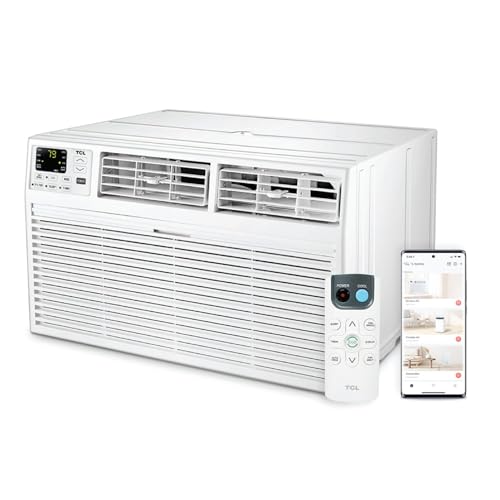
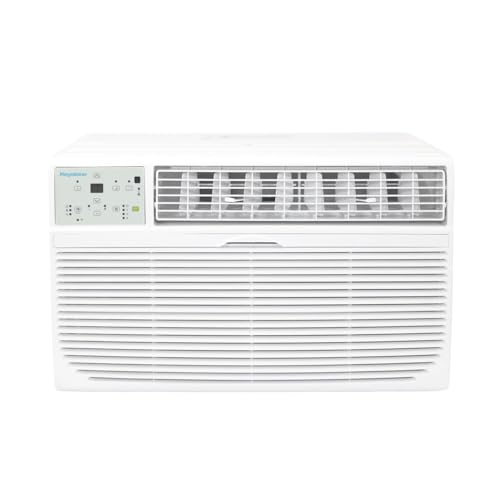
Through-the-Wall AC Units: Complete Guide
Permanent, powerful cooling without sacrificing window space. Learn how to choose the ideal wall AC for your home or office.
SHOP TOP MODELS →Why a Through-the-Wall AC? Unlike window units, through-the-wall air conditioners are permanently installed, free up your windows, and often provide better insulation and security. This guide walks you through every decision point — from sizing to SEER ratings.
What is a Through-the-Wall Air Conditioner?
A through-the-wall AC is designed to be mounted inside a wall sleeve, with the front grille facing the room and the rear exhaust directed outside. Unlike portable or window units, these systems are permanent fixtures that require a properly sized wall opening. They are ideal for apartments, hotels, offices, and homes where window installation is impractical or undesired. Many modern units feature inverter technology, heat pumps, and digital thermostats for year-round comfort.
Compared to a central AC, a through-the-wall unit is room-specific and more affordable to install if you only need to cool one or two spaces. For homes without ductwork, they can be an excellent alternative to ductless mini-split AC systems, though mini-splits are quieter and more efficient overall.
✅ Advantages
- Window-free: Keep your windows usable and unobstructed.
- More secure: Difficult to remove from outside.
- Better insulation: Designed to seal tightly in a wall sleeve.
- Higher cooling capacity: Many models offer up to 25,000 BTU.
- Heat pump options: Some units provide heating as well (ideal for four-season use).
❌ Drawbacks
- Installation is permanent: Requires cutting a hole in the wall.
- Less portable: Can't move to another room easily.
- Higher upfront cost: Installation and sleeve purchase add expense.
- Noise levels: Typically louder than mini-splits or inverter units.
How to Size a Through-the-Wall AC (BTU Calculator)
Selecting the correct BTU capacity is critical for efficiency and comfort. An undersized unit will struggle to cool, while an oversized unit will short-cycle, waste energy, and fail to dehumidify properly. Follow our BTU calculator by room size guidelines below:
| Room Size (sq ft) | Recommended BTU | Typical Spaces |
|---|---|---|
| 100 – 200 | 5,000 – 6,000 BTU | Small bedroom, home office |
| 200 – 300 | 7,000 – 8,000 BTU | Guest room, studio apartment |
| 300 – 450 | 9,000 – 12,000 BTU | Living room, master bedroom |
| 450 – 650 | 12,000 – 15,000 BTU | Large living area, open kitchen |
| 650 – 900 | 15,000 – 20,000 BTU | Small commercial space, big family room |
| 900 – 1,200 | 20,000 – 25,000 BTU | Office lobby, small restaurant section |
For precise load calculations, consider factors like ceiling height, sunlight exposure, insulation quality, and number of occupants. If your room has large windows or is on a top floor, increase BTU by 10–20%. Learn more in our detailed guide on how to size an air conditioner.
Energy Efficiency: SEER, EER, and What Matters
Through-the-wall AC units come with SEER (Seasonal Energy Efficiency Ratio) ratings typically ranging from 10 to 14. Higher SEER means lower electricity bills. Since 2023, the DOE has implemented SEER2 standards, which more accurately reflect real-world conditions. Look for units with the ENERGY STAR certification to save up to 15% on cooling costs. For year-round efficiency, consider models with a heat pump and check the HSPF rating for heating performance.
If energy savings are your top priority, compare through-the-wall units with inverter AC technology. Inverter-driven compressors adjust speed continuously, reducing energy waste and maintaining precise temperature.
Installation: What You Need to Know
Installing a through-the-wall AC is more complex than a window unit. Here’s a step‑by‑step overview:
- 1. Choose the right location: An exterior wall with no plumbing or electrical wiring inside. Avoid direct south/west sun exposure if possible.
- 2. Install the wall sleeve: The sleeve (metal or plastic) must be level and securely anchored. Most sleeves require a 26" x 42" rough opening, but always check manufacturer specs.
- 3. Electrical requirements: Many large units (12,000+ BTU) need a dedicated 230V circuit. Smaller units run on standard 115V. Check your panel capacity and 110V vs 240V differences before buying.
- 4. Drainage & slope: The sleeve should tilt slightly downward toward the outside to drain condensation properly.
- 5. Slide in the AC chassis: Insert the unit into the sleeve, secure with screws, and seal all gaps with insulation and caulk.
- 6. Permits & pros: Some areas require a permit. If you’re not experienced with cutting through exterior walls, hire a licensed contractor. Use our guide on how to choose an HVAC contractor to find a trusted professional.
Installation costs range from $300 to $1,200 depending on wall construction and electrical work. For a detailed financial breakdown, visit our AC installation cost estimate page.
Key Features: Smart Controls, Heat Pumps & More
🌡️ Heat Pump (Reverse Cycle)
Many through-the-wall units now include a heat pump, providing efficient heating during shoulder seasons. This can eliminate the need for a separate space heater. Check if the model is rated for your climate zone.
📱 Wi-Fi & Smart Control
Units with Wi-Fi & smart control let you adjust temperature, set schedules, and monitor energy use via smartphone apps — perfect for rental properties or vacation homes.
🔇 Quiet Operation
Look for sound ratings below 52 dBA for bedrooms. Inverter compressors and improved fan blade designs significantly reduce noise. Our quiet air conditioner list features the most silent wall units.
🧹 Self-Cleaning & Air Purification
Some premium models offer self-cleaning functions that dry the evaporator coil to prevent mold. Others include built-in air purifiers or ionizers for improved indoor air quality.
Through-the-Wall vs. Other AC Options
Understanding the differences helps you decide if a wall unit is right for your space:
- Window AC: Cheaper and easier to install, but blocks window, less secure, and often less energy efficient. Perfect for renters or temporary cooling.
- Portable AC: Movable but noisy and inefficient (exhaust hose leaks heat). Best for occasional use.
- Mini-Split Ductless: More expensive but ultra-quiet, highly efficient (20+ SEER), and provides zoning. Ideal for older homes without ducts.
- Central AC: Best for whole-home cooling, but costly to install if ducts aren't present. Through-the-wall units are a practical alternative for single zones.
If you need to cool multiple rooms, consider a ducted mini-split or multi-zone ductless system. But for a single large room, home office, or studio apartment, a through-the-wall unit is often the most cost-effective permanent solution.
Maintenance Tips to Extend Lifespan
Regular maintenance keeps your wall AC running efficiently for 10–15 years. Follow these simple steps:
- Clean or replace filters monthly during peak season. Clogged filters reduce airflow and freeze coils. Learn how to clean AC filters properly.
- Inspect the outdoor grille for debris, leaves, or nests. Clean the condenser fins annually using a soft brush or coil cleaner.
- Check the wall sleeve seal for air leaks. Re-caulk if necessary to prevent hot air infiltration.
- Before winter, if the unit does not have a heat pump, cover the exterior grille with a breathable weatherproof cover.
- If the AC isn't cooling, see our troubleshooting resource: AC not cooling solution. Common issues include low refrigerant, dirty coils, or a failing compressor.
For major repairs like refrigerant leaks or compressor failure, always consult a professional HVAC technician. Check typical costs on our refrigerant leak repair page.
Ideal Rooms & Applications
Through-the-wall ACs excel in specific scenarios:
- Bedroom AC guide: Choose a quiet model (under 50 dBA) with a programmable thermostat for night comfort.
- Living room AC: Higher BTU capacity (12,000+) and smart controls for whole-family convenience.
- Home office AC: Look for energy-saving modes and low noise to avoid distraction.
- Garage AC: Dust-resistant filters and rugged construction are beneficial.
- Hotels & rental units: Permanent installation means guests can't remove or damage the unit.
How Much Does a Good Through-the-Wall AC Cost?
Prices vary by brand, capacity, and features. Expect these approximate ranges:
- Basic 5,000–8,000 BTU (115V): $450 – $700
- Mid-range 10,000–12,000 BTU with remote control: $650 – $950
- Premium inverter models 12,000–18,000 BTU with heat pump & Wi-Fi: $1,000 – $1,600
- High-capacity 20,000+ BTU for commercial spaces: $1,500 – $2,800
For budget-conscious buyers, check our AC under $1,000 recommendations. Also, federal tax credits and local rebates may apply for ENERGY STAR certified units. Explore current HVAC tax credits and rebates to save up to $300.
Frequently Asked Questions (FAQ)
Can I install a window AC in a wall?
No. Window units are not designed for wall installation; they lack proper drainage and sealing. Always buy a true through-the-wall unit or a “wall-ready” AC that includes a compatible sleeve.
Do through-the-wall ACs need a sleeve?
Yes, most require a separate metal or plastic sleeve that stays in the wall permanently. The AC chassis slides into the sleeve for easy removal when servicing.
Are through-the-wall ACs energy efficient?
Yes, modern units with inverter compressors and high SEER ratings (11–14) are efficient. However, mini-splits typically achieve higher SEER (up to 25).
How long does a through-the-wall AC last?
With proper maintenance, 10–15 years. Annual servicing can extend lifespan. Read our how long does AC last guide for more insights.
Still have questions? Visit our comprehensive FAQ page or explore the help center for buying advice, warranty registration, and contractor referrals.