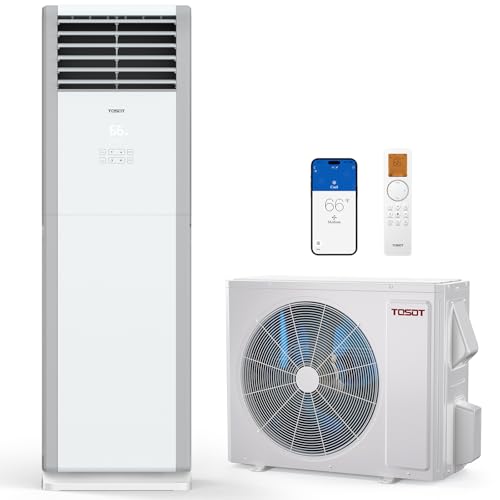
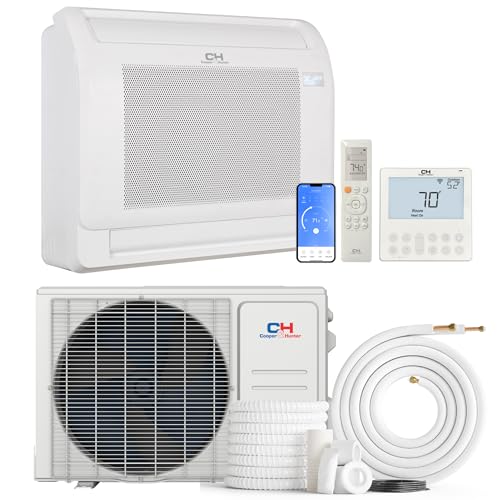
Floor Mounted AC Units: Complete Guide
Discover the perfect cooling solution for sunrooms, garages, and unique spaces where traditional ACs won't fit. Learn sizing, installation, and top models.
SEE RECOMMENDATIONS →Why consider a floor mounted AC? Unlike traditional window or high-wall units, floor mounted air conditioners install near ground level, offering flexible placement, easier access for maintenance, and superior heating distribution during colder months. Ideal for rooms with sloped ceilings, large glass windows, or architectural constraints.
What Is a Floor Mounted Air Conditioner?
A floor mounted AC unit (also called floor console or under-window AC) is designed to be installed low on an interior wall, typically with the bottom of the unit positioned 2–6 inches above the finished floor. These systems are usually part of a ductless mini-split system but can also be through-the-wall or specialized cassette-floor hybrids. They are perfect for spaces where high-wall installation is not feasible, such as sunrooms, basements, garages, or rooms with floor-to-ceiling windows.
Unlike window air conditioners, floor mounted units do not block natural light or compromise security. They offer better airflow dynamics because cool air naturally sinks, and warm air rises — placing the unit near the floor optimizes heating efficiency in winter (when equipped with a heat pump).
Floor Mounted AC vs Other AC Types
Choosing the right AC type depends on your room layout. Here’s how floor mounted units compare to popular alternatives:
| Feature | Floor Mounted AC | Window AC | High-Wall Mini Split | Portable AC |
|---|---|---|---|---|
| Installation complexity | Moderate (requires wall hole & bracket) | Low (window kit) | Moderate | Very low (no permanent) |
| Window usage | Unobstructed | Blocked | Unobstructed | Unobstructed (hose to window) |
| Heating capability | Yes (heat pump models) | Rare | Yes | Some models |
| Best for rooms with | Sloped ceilings, sunrooms, low walls | Standard windows | High walls, open space | Renters, temporary |
| Typical cost (unit only) | $700 – $2,200 | $180 – $700 | $800 – $2,500 | $300 – $800 |
Sizing & BTU Requirements for Floor Mounted ACs
Proper sizing is critical. An undersized unit runs constantly, while an oversized unit short-cycles and fails to dehumidify. Use our how to size an AC guide, but here are general recommendations for floor mounted units:
- Small room (150–250 sq ft): 6,000 – 9,000 BTU → ideal for sunrooms, home offices, or small bedrooms.
- Medium room (250–450 sq ft): 9,000 – 12,000 BTU → perfect for living rooms, basement rec rooms.
- Large open area (450–750 sq ft): 12,000 – 18,000 BTU → garages, studio apartments.
- Whole floor zone (750–1,100 sq ft): 18,000 – 24,000 BTU → may require multiple units or a multi-zone system.
Always consider factors like ceiling height, sun exposure, and number of windows. For a precise calculation, use a BTU calculator by room size before purchasing. Floor mounted models are available in both 115V (for smaller units up to 12,000 BTU) and 230V for higher capacity, so check your electrical requirements.
Efficiency Ratings: SEER, EER, and Inverter Technology
Modern floor mounted ACs commonly feature inverter AC compressors that adjust speed to maintain temperature, reducing energy waste. When comparing models, look for:
- SEER2 (Seasonal Energy Efficiency Ratio): Minimum 15 SEER2 is standard; high-efficiency models reach 20+ SEER2, lowering utility bills by 30–50% compared to non-inverter AC units.
- EER (Energy Efficiency Ratio): Important for hotter climates. Look for EER above 11 for 110°F days.
- HSPF (Heating efficiency): For heat pump floor mounted units, HSPF of 8.5 or higher is recommended.
Many floor consoles qualify for HVAC tax credits and rebates if they meet ENERGY STAR Most Efficient criteria. Always check local utility incentives.
Installation Guide: What to Expect
Installing a floor mounted AC unit is more involved than a window unit but less intrusive than central air. Key steps include:
- Choose location: Interior wall with access to exterior for refrigerant lines and drainage. Avoid blocking furniture or curtains.
- Mounting bracket: Secure the wall bracket at the correct height (typically 2–6 inches above floor).
- Drill line set hole: A 3-inch hole through the wall connects the indoor unit to the outdoor condenser.
- Electrical and drain: Floor units require a dedicated circuit. Condensate drains by gravity, so the unit must be slightly higher than drain exit.
We strongly recommend professional installation by a licensed HVAC technician, especially for refrigerant line connections. Review our installation guide for pre-installation checklists and cost estimates (AC installation cost estimate typically ranges $500 – $1,500 for floor mounted mini-splits). Also ensure you check local permit requirements.
Best Rooms for Floor Mounted AC Units
Due to their low-profile design, floor mounted ACs excel in specific scenarios:
- Sunrooms and solariums: High-wall units are often impossible due to sloped glass ceilings. Floor mounted provides strong cooling near large windows.
- Basements: Cool air naturally settles, but floor mounting improves heating distribution in winter.
- Garages and workshops: Dust-resistant options and heat pumps make workshops comfortable year-round.
- Home theaters or media rooms: Low noise levels and placement below sightlines keeps the focus on the screen.
- Older homes without ducts: A floor mounted ductless system avoids major renovation while blending with baseboards.
For bedrooms, floor mounted units are acceptable if placed away from curtains and beds to avoid direct airflow. Alternatively, consider quiet AC options.
Maintenance Tips for Floor Mounted ACs
Keeping your floor mounted AC in top shape ensures efficiency and lifespan (typically 12–18 years). Follow these steps:
- Clean the filter every 4 weeks: Most units have a washable pre-filter. See how to clean AC filter for detailed instructions.
- Check condensate drain line: Floor units are gravity-drained; ensure no clogs or algae buildup to avoid water leakage.
- Keep outdoor unit clear: Trim vegetation and clean condenser coils annually (clean condenser coils).
- Schedule professional maintenance: Every 2 years, have a technician check refrigerant levels and electrical components. Review AC annual service cost.
If your unit blows warm air or makes unusual noises, refer to common troubleshooting guides before calling a pro.
Cost Analysis: Floor Mounted AC Units
Pricing varies by capacity, brand, and efficiency. Below is a realistic breakdown for 2026 market (excluding installation):
- Budget floor mounted (9,000 BTU, non-inverter): $600 – $900
- Mid-range inverter model (12,000 BTU, 18 SEER): $1,000 – $1,500
- High-efficiency heat pump floor console (12,000–18,000 BTU, 20+ SEER): $1,800 – $2,500
- Multi-zone system (floor + wall units): $2,500 – $4,500+
Check our AC under $1,000 and AC under $2,000 guides for floor-mounted recommendations. Remember that professional installation adds $500 – $1,200. In the long run, high energy-efficient AC models reduce monthly bills by $20–$60 during peak summer.
Frequently Asked Questions
❓ Can I install a floor mounted AC myself?
Unless you have HVAC certification, DIY installation of mini-split floor units is not recommended due to refrigerant handling. Through-the-wall floor consoles are simpler, but still require structural modifications.
❓ Do floor mounted ACs need a drain?
Yes, they produce condensation. Most use a gravity drain; you can also install a condensate pump if the drain line must go upward.
❓ Are floor mounted ACs noisy?
Modern inverter floor units operate at 28–38 dB (similar to a library). Quieter than portable and window ACs.
❓ Can floor mounted AC be used as primary heat source?
Yes, models with a heat pump can efficiently heat down to 5°F to 20°F, but in extreme cold, supplemental heating may be needed. Check heat pump vs AC.