AC Breaker Size & Amps: Complete Electrical Guide
Find the correct breaker size, wire gauge, and amperage for your window AC, mini-split, or central air conditioner. Avoid electrical hazards and code violations.
VIEW BREAKER SIZES →⚠️ Critical Safety Note: Incorrect breaker sizing is a leading cause of electrical fires and AC unit damage. Always consult a licensed electrician if you are unsure. This guide follows NEC (National Electrical Code) standards for air conditioner electrical requirements.
Why Correct Breaker Size Matters for Your AC
Choosing the right breaker size for AC is not just about functionality—it's about safety and longevity. An undersized breaker will trip constantly, leaving you without cooling during hot days. An oversized breaker creates a fire hazard because wires can overheat before the breaker trips. Every air conditioner has specific electrical requirements based on its voltage (110V or 240V), compressor type, and efficiency rating. Whether you're installing a window air conditioner, a ductless mini-split AC, or a central air conditioning system, understanding amperage and breaker sizing protects your home and your investment.
Before you purchase a new AC, check your home's electrical panel capacity. Many older homes have 100-amp or 150-amp main panels. Adding a large central AC or multiple inverter AC units may require a panel upgrade. This is why many homeowners first consult our check home electrical panel guide before moving forward with installation. Knowing your available capacity prevents unexpected costs and delays.
Breaker Size (Amps) = Rated Load Amps (RLA) × 1.25 (125% NEC rule)
AC Amperage & Breaker Size Reference Table
Use this table to quickly identify the recommended breaker size and minimum wire gauge (AWG) for common AC capacities. Always verify with your unit's nameplate data. These values assume copper wire and standard operating conditions.
| AC Type / Capacity | Voltage | Rated Load Amps (RLA) | Recommended Breaker | Min. Wire Gauge (AWG) |
|---|---|---|---|---|
| 5,000 - 6,000 BTU Window AC | 110-120V | 4 - 5.5A | 15A | 14 AWG |
| 8,000 - 10,000 BTU Window/Portable AC | 110-120V | 6 - 8.5A | 15A | 14 AWG |
| 12,000 - 14,000 BTU Window/Portable AC | 110-120V / 240V | 9 - 12A (120V) / 5.5 - 7A (240V) | 20A (120V) / 15A (240V) | 12 AWG (120V) / 14 AWG (240V) |
| 18,000 BTU Mini-Split (1.5 Ton) | 208-240V | 8 - 10A | 20A / 2-pole | 12 AWG |
| 24,000 BTU Mini-Split (2 Ton) | 208-240V | 11 - 14A | 25A / 2-pole | 10 AWG |
| 36,000 BTU Mini-Split (3 Ton) | 208-240V | 15 - 20A | 30A / 2-pole | 10 AWG |
| Central AC - 2 Ton (24,000 BTU) | 240V | 12 - 15A | 25A / 2-pole | 10 AWG |
| Central AC - 3 Ton (36,000 BTU) | 240V | 17 - 22A | 30A / 2-pole | 10 AWG |
| Central AC - 4 Ton (48,000 BTU) | 240V | 22 - 28A | 40A / 2-pole | 8 AWG |
| Central AC - 5 Ton (60,000 BTU) | 240V | 28 - 35A | 50A / 2-pole | 6 AWG |
As shown above, 110V vs 240V air conditioner voltage dramatically affects amperage. A 12,000 BTU AC running on 120V may draw 10+ amps, while the same BTU on 240V draws only about 6 amps, allowing smaller wire and less heat. For whole-home cooling, you'll typically need a dedicated double-pole breaker. If you're unsure about your home's wiring, read our article on do I need an electrician for AC installation—most local codes require licensed professionals for 240V connections.
How to Calculate the Correct Breaker Size
Every AC unit has a nameplate sticker (usually on the outdoor condenser or side panel) listing three key numbers: RLA (Rated Load Amps), LRA (Locked Rotor Amps), and MCA (Minimum Circuit Ampacity). The NEC requires that breakers be sized no smaller than 125% of the unit's RLA or MCA. Here's the exact calculation method:
Step 2: If MCA not listed → Breaker = RLA × 1.25
Example: RLA = 12A → 12 × 1.25 = 15A breaker (standard size)
Most modern inverter AC units have variable-speed compressors, which means lower starting amperage and more forgiving electrical requirements. However, you should never simply replace a breaker with a larger size because your AC "keeps tripping." That usually indicates an underlying issue such as a failing compressor, dirty coils causing high amp draw, or loose wiring. Learn more about common AC problems that cause electrical issues.
Wire Gauge (AWG) for AC Circuits
Wire size is equally important as breaker size. Copper wire is standard for AC installations. The longer the wire run from the panel to the AC unit, the more voltage drop occurs—so you may need to increase wire gauge for long distances (over 50 feet). Here are the standard wire sizes based on breaker rating:
- 15A breaker → 14 AWG copper (minimum)
- 20A breaker → 12 AWG copper
- 25-30A breaker → 10 AWG copper
- 40A breaker → 8 AWG copper
- 50A breaker → 6 AWG copper
For central air conditioning units, outdoor wiring must be rated for wet locations (UF or THWN-2). If you're considering a ductless mini-split AC, most manufacturers require a dedicated 240V circuit with a disconnect box near the outdoor unit. It's also wise to understand your AC warranty explained because improper electrical installation can void your manufacturer's warranty.
Electrical Requirements by AC Type
Window AC 5,000 – 12,000 BTU
Small window units typically run on standard 115V household outlets (15A or 20A circuits). Most 5,000-6,000 BTU units need only a 15A breaker. However, larger window ACs (12,000 BTU and above) often require a dedicated 20A, 120V circuit or even a 240V outlet. Check the plug type: a standard 3-prong plug is 120V, while a round or horizontal plug indicates 240V. For more capacity options, see our guides on 5,000-6,000 BTU AC and 12,000-14,000 BTU AC.
Portable AC Single & Dual Hose
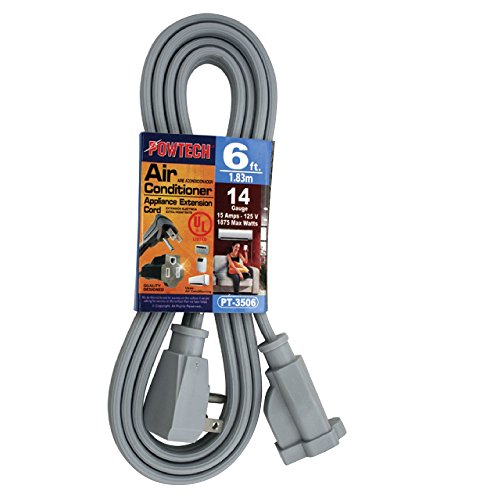
Most portable AC units run on standard 115V outlets. However, some high-capacity models (14,000+ BTU) may draw up to 12-13 amps, which approaches the limit of a 15A circuit. Always avoid using extension cords. If your portable AC trips the breaker, move it to a dedicated circuit or consult an electrician. Read more about portable air conditioner placement and power needs before buying.
Mini-Split AC 9,000 – 48,000 BTU
All ductless mini-split AC systems use 208-240V and require a double-pole breaker. A 9,000 BTU (0.75 ton) unit typically needs a 15A or 20A breaker, while a 36,000 BTU (3-zone system) requires a 30A breaker. Mini-splits also require a whip and disconnect box within sight of the outdoor condenser. If you are installing multiple indoor units, the outdoor unit's nameplate will specify the maximum overcurrent protection (MOP).
Central AC 2 – 5 Ton
Whole-home central air conditioning systems are the most demanding electrically. A typical 3-ton (36,000 BTU) central AC requires a 30A double-pole breaker and 10 AWG wire. Older units may have higher starting amps (LRA) than modern ENERGY STAR certified AC models with scroll compressors. Always check your condenser's data tag. Before installation, verify your home's available capacity via our check home electrical panel resource. Some larger homes with a 5-ton system may need a 50A or 60A circuit.
Do You Need a Permit or Electrician?
In most US jurisdictions, installing a new 240V circuit for an air conditioner requires an electrical permit and inspection. Even replacing a breaker or adding a new dedicated outlet for a window AC may require a licensed electrician depending on local codes. We strongly recommend reading our guide on how to get AC permit and do I need an electrician for AC before any DIY attempt. The cost of hiring a licensed professional ($150-$500 for a new 240V circuit) is far less than the cost of an electrical fire or voiding your home insurance.
If you're comparing AC units, remember that higher SEER units often have slightly lower amperage draws, which can mean smaller breaker requirements. Check our comparison of SEER vs SEER2 DOE standards to understand how new efficiency regulations impact electrical load. Also, upgrading to a most energy efficient AC can reduce your monthly bills and put less strain on your electrical panel.
Why Does My AC Keep Tripping the Breaker?
Frequent breaker trips are a sign of a problem. Here are the most common causes:
- Oversized AC for the circuit: The unit draws more amps than the breaker can handle.
- Dirty condenser coils: Dirty coils cause high head pressure, increasing amp draw. Learn clean AC condenser coils to improve efficiency.
- Failing compressor or capacitor: A bad run capacitor can cause a 30-40% amp increase. See compressor replacement signs.
- Loose electrical connections: Creates heat and intermittent shorts.
- Refrigerant overcharge or undercharge: Alters pressure and amperage. See refrigerant leak repair for details.
Do not keep resetting a breaker that trips repeatedly. This can damage your AC compressor and wiring. Instead, consult our AC not cooling solution guide or call a certified HVAC technician.
📘 Ready to buy? Below are our recommended air conditioners that match common electrical requirements. Each product includes specifications to help you verify breaker size before purchase. Use the buttons to check current prices and availability on Amazon.