Ductless vs Ducted AC: Which System Wins?
Compare mini-splits vs central air conditioning side by side. Costs, efficiency, installation, and real-world advice for homeowners.
SEE FULL COMPARISON →🔍 Making the right HVAC choice saves thousands. Whether you're building a new home, retrofitting an old house without ducts, or replacing an existing system, the decision between ductless and ducted AC impacts your comfort, energy bills, and long-term value. This guide gives you everything you need to choose confidently.
What's the Difference? (In Plain English)
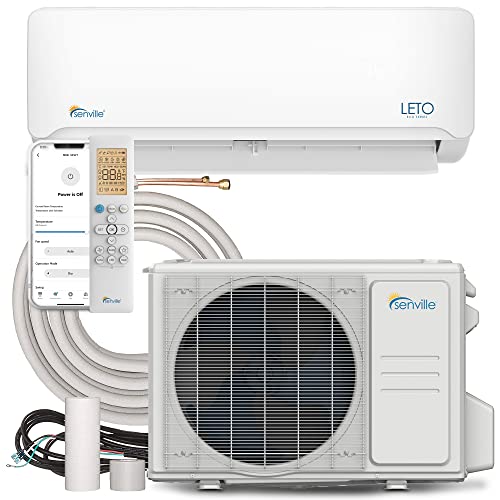
A ducted AC system (central air conditioning) uses a network of hidden air ducts to distribute cooled air from a central unit to every room. A ductless AC system (mini-split) consists of one or more indoor air handlers connected to an outdoor compressor via small refrigerant lines — no ducts required. Each approach has distinct strengths depending on your home's layout, age, and your budget.
If your home already has ductwork, upgrading or replacing a central air conditioning system might be straightforward. But for homes without ducts — many older houses, additions, or converted spaces — a ductless mini-split AC offers a flexible, efficient solution without major renovation.
🌀 Ductless (Mini-Split)
- No ductwork needed – ideal for older homes, room additions, garages
- Higher energy efficiency (up to 30% savings vs. ducted)
- Individual room zoning – cool only occupied spaces
- Quieter operation (both indoor & outdoor units)
- Easier and faster installation (typically 1-2 days)
- Higher upfront cost per zone ($3,000–$5,000 per indoor unit)
- Indoor units are visible on walls or ceiling
- May not fit every aesthetic preference
🏠 Ducted (Central AC)
- Invisible – ducts hidden behind walls, ceilings, floors
- Best for whole-home uniform cooling
- Can integrate with existing forced-air furnaces
- Higher property resale value (expected in many markets)
- Centralized filtration improves indoor air quality
- Expensive & invasive installation if no existing ducts ($7,000–$15,000+)
- Duct losses can waste 20–30% of energy
- No individual room control without complex zoning
- Requires regular duct cleaning and sealing
Head-to-Head: Ductless vs Ducted AC
| Comparison Factor | Ductless (Mini-Split) | Ducted (Central AC) |
|---|---|---|
| Average Installation Cost | $3,000 – $6,000 (single zone) $8,000 – $14,000 (multi-zone, 3-4 rooms) |
$7,000 – $15,000+ (with existing ducts) $12,000 – $25,000+ (new ductwork) |
| SEER Efficiency Range | 18 – 33 SEER (extremely efficient) | 14 – 26 SEER (standard to high efficiency) |
| Energy Waste | Minimal – no duct losses, inverter compressor | Duct leakage: 20-30% energy loss typical |
| Zoning Capability | ✔️ True room-by-room control (standard) | ❌ Requires expensive dampers & zoning system |
| Installation Time | 1 – 2 days (minimal disruption) | 3 – 7+ days (drywall, ductwork, permits) |
| Aesthetics | Wall-mounted, floor, or cassette units visible | Completely hidden (only registers visible) |
| Best For | Older homes, additions, apartments, garages, sunrooms | New construction, homes with existing ducts, large open floor plans |
| Lifespan | 15 – 20 years with proper maintenance | 12 – 18 years (ducts can last 30+ years) |
💰 Cost & Long-Term Savings Analysis
While a ductless mini-split often has a lower upfront cost for single zones, a whole-home ducted system may be more economical for larger houses with existing ductwork. Consider this real-world example:
- Ductless multi-zone (4 rooms): ~$10,000 – $12,000 installed. Operating cost: ~$800–$1,000/year due to high SEER (up to 30).
- Ducted central AC (4-bedroom home): ~$9,000 – $14,000 with existing ducts. Operating cost: ~$1,200–$1,600/year depending on SEER and duct losses.
Over 15 years, the energy savings of a ductless system can offset higher initial pricing — especially if you use zoning systems to avoid cooling empty rooms. For homes without ducts, a ducted installation often requires extensive ductwork design and sealing air ducts to minimize losses.
⚡ Efficiency: SEER Ratings & Real Energy Impact
SEER rating (Seasonal Energy Efficiency Ratio) measures cooling output divided by energy consumption. Ductless mini-splits dominate this category, often achieving 20–33 SEER, while standard central AC ranges from 14–20 SEER. But there's a catch: even a high-SEER ducted system loses efficiency through leaky ducts. The US Department of Energy estimates that typical ductwork loses 20-30% of conditioned air. Under SEER vs SEER2 standards, testing now accounts for static pressure, making ratings more realistic.
If you're aiming for the most energy efficient AC, a ductless inverter AC consistently outperforms traditional single-stage or two stage AC systems because it modulates compressor speed instead of cycling on/off.
🛠️ Ductless Installation Guide
Installation requires a 3-inch hole through an exterior wall for refrigerant lines, condensate drain, and electrical wiring. No structural changes needed. Ideal for:
- Older homes with no ducts
- Renters or temporary solutions (with permission)
- Room additions, converted garages, or attic conversions
Check home electrical panel capacity — most mini-splits run on 110V or 240V. See 110V vs 240V guide for details.
🏗️ Ducted Installation Reality
If you don't have existing ducts, expect significant construction: removing drywall, installing supply/return plenums, registers, and potentially redesigning space. Installation cost estimate climbs fast with complexity. You'll likely need a qualified HVAC contractor and possibly a building permit. However, new construction or major renovations can easily incorporate ductwork before finishing walls, making central AC an excellent long-term choice.
🤔 Which System Fits YOUR Home? (Decision Helper)
Answer these questions to narrow down your choice:
- Does your home already have ductwork in good condition? → If yes, ducted central AC is likely cheaper and less invasive. If no, ductless avoids massive renovations.
- Do you want to control temperatures room-by-room? → Ductless mini-splits offer native zoning. Ducted would require expensive dampers and a zoning panel.
- What's your energy efficiency priority? → Ductless wins for highest SEER and eliminating duct losses.
- Is resale value a top concern? → In many US markets, central AC is expected; but ductless is gaining popularity, especially in older neighborhoods.
- What's your budget range? → Under $6,000 for a single room? Ductless. Whole home under $10k with existing ducts? Ducted.
Still uncertain? Read our buying guide or use the BTU calculator by room size to determine capacity needs. For whole-home sizing, see AC sizing for whole home and Manual J load calculation.
🛡️ Maintenance & Lifespan Comparison
Ductless mini-split maintenance: Easy DIY — wash filters every 2-4 weeks, clean indoor unit coils, and keep outdoor unit free of debris. Professional deep clean recommended annually. Average lifespan: 15-20 years. For guidance, read clean AC filter and clean condenser coils.
Ducted central AC maintenance: Requires filter changes (every 1-3 months), annual professional tune-ups, and periodic duct inspection for leaks or mold. Duct cleaning every 3-5 years if signs of contamination. Lifespan: 12-18 years. See seasonal AC checklist for both systems.
Common issues like AC not cooling or leaking water can affect both types, but ductless systems have fewer components that fail.
⭐ Final Verdict: Ductless vs Ducted AC
Choose DUCTLESS (Mini-Split) if: Your home has no ducts, you want room-by-room control, top energy efficiency, or you're cooling an addition, garage, or converted space. Also great for small apartments or home offices.
Choose DUCTED (Central AC) if: Your home already has ductwork in good shape, you prioritize invisible cooling, you're building new construction, or you want whole-home uniformity without visible indoor units.
👉 Still need help? Compare heat pump vs air conditioner or explore product recommendations.
📘 Expand your HVAC knowledge: Learn how an air conditioner works, understand refrigerant cycle, or check new refrigerant standards (R32/R454B). If noise is a concern, read about quiet air conditioners. For smart features, explore AC with Wi-Fi & smart control.