110V vs 240V Air Conditioner: Which Voltage Is Right for Your Home?
Choosing between a standard 110V (120V) and a high-voltage 240V air conditioner affects your energy bills, installation costs, cooling performance, and electrical panel requirements. This comprehensive guide will help you make an informed decision before buying.
When shopping for a new cooling system, understanding electrical voltage is just as critical as sizing your AC correctly or comparing SEER ratings. Most homeowners are familiar with standard 110V outlets, but larger central air conditioning units and powerful ductless systems require 240V circuits. This guide compares both voltages across efficiency, installation complexity, operating costs, and real-world applications so you can confidently select the right unit.
Key Differences Between 110V and 240V AC Units
The primary distinction lies in how much electrical power the unit can draw. A 110V (120V) air conditioner plugs into a standard household outlet and typically delivers up to 15,000 BTU of cooling capacity. In contrast, a 240V unit connects to a dedicated double-pole circuit breaker and can efficiently power units exceeding 18,000 BTU, making it the go-to choice for whole-home systems and multi-zone ductless mini-split AC installations.
| Feature | 110V (120V) AC Unit | 240V AC Unit |
|---|---|---|
| Typical BTU Range | 5,000 – 15,000 BTU | 18,000 – 60,000+ BTU |
| Ideal For | Small rooms, window AC, portable units, studio apartments | Central AC, large mini-split systems, whole-house cooling |
| Electrical Requirement | Standard 3-prong outlet (NEMA 5-15) | Dedicated 240V circuit with double-pole breaker |
| Installation Cost | $150 – $400 (DIY-friendly) | $500 – $1,800 (requires licensed electrician) |
| Energy Efficiency | Good for small spaces, lower upfront cost | Higher efficiency at high load, lower operating cost per BTU |
| Amperage Draw | 7 – 12 amps | 10 – 30 amps (but less current per watt) |
| Common Unit Types | Portable AC, window units, through-the-wall AC | Central AC, inverter AC, ducted mini-split |
Efficiency & Operating Costs: Which Saves More?
Many assume 240V units automatically use less electricity, but the reality is more nuanced. A 240V air conditioner typically draws half the amperage of a 110V unit for the same wattage, reducing heat loss in wiring and allowing longer wire runs. However, the actual energy consumption (measured in kilowatt-hours) depends on the unit’s SEER rating and cooling load. For example, a 12,000 BTU 110V unit with a SEER of 20 will be more efficient than an older 240V unit with SEER 14. But for capacities above 18,000 BTU, 240V operation is significantly more efficient and often required by manufacturers.
Do You Need an Electrical Upgrade?
Before purchasing a 240V air conditioner, check your home’s electrical panel. A 240V circuit requires two adjacent breaker slots (double-pole breaker) and sufficient panel capacity. Most modern homes (built after 1990) have 200-amp service, which can support one or two 240V AC units. Older homes with 100-amp service may need an upgrade. For 110V units, any standard outlet works, but avoid overloading a single circuit. Learn more about amps and breaker sizing for AC units and how to inspect your electrical panel before installation.
If you're unsure about your home's electrical capacity, consult a licensed electrician. They can evaluate whether you need a professional electrician for AC installation and provide a detailed installation cost estimate for running new 240V wiring.
Matching Voltage to AC Type
Your choice of air conditioner type largely dictates the voltage requirement:
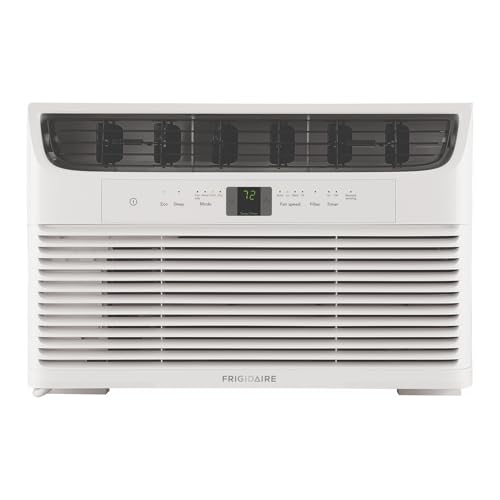
- Window & Portable ACs: Almost always 110V/120V, up to 15,000 BTU. Perfect for renters or single rooms. See our window air conditioner guide for top picks.
- Through-the-Wall AC: Available in both voltages. 240V models offer higher BTU for larger wall openings.
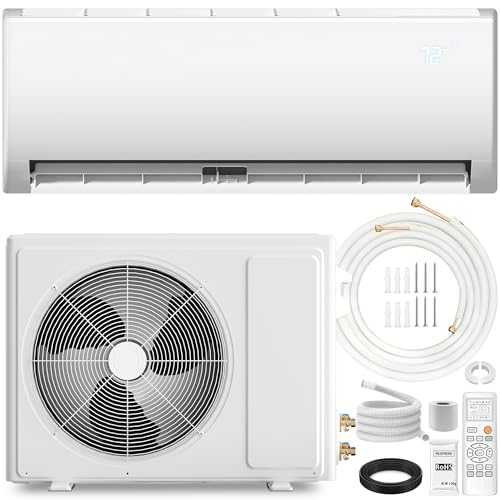
- Ductless Mini-Split AC: Most single-zone units (9,000–12,000 BTU) run on 110V, but multi-zone or high-capacity systems require 240V. Check our ductless mini-split resource.
- Central Air Conditioning: Almost exclusively 240V. These systems need high starting current and sustained power for the compressor and outdoor fan.
- RV Air Conditioner: Typically 110V, designed for campground pedestals or generator use.
Installation Complexity & Permit Considerations
Installing a 110V AC unit is often a DIY project—just plug it in and secure it in a window or wall sleeve. However, a 240V unit requires hardwiring or a special outlet (NEMA 6-15 or 6-20), which must be installed by a licensed electrician. Many localities also require an electrical permit for new 240V circuits. Before you start, review how to get an AC permit and understand local building codes. Additionally, improper 240V installation can void your warranty and pose fire hazards.
Decision Guide: 110V or 240V for Your Home?
Choose 110V if: You need to cool a small bedroom, home office, or apartment under 450 sq. ft. You want a budget air conditioner under $500, or you are renting and cannot modify electrical wiring. 110V units are also ideal for supplemental cooling in garages or sunrooms.
Choose 240V if: You are installing central air, a multi-zone mini-split, or any unit above 18,000 BTU. Homeowners seeking long-term energy savings, lower noise levels (240V motors run cooler and smoother), and whole-house comfort should invest in a 240V system. Also, if you plan to claim HVAC tax credits and rebates, many high-efficiency systems require 240V.
Still uncertain? Use our what size AC do I need tool to determine required BTU, then check voltage recommendations for that capacity.
Frequently Asked Questions (110V vs 240V AC)
❓ Can I plug a 240V air conditioner into a 110V outlet?
No. A 240V unit has a different plug configuration (often with one horizontal prong) and requires twice the voltage. Plugging it into 110V will damage the compressor or prevent startup.
❓ Is 240V more dangerous than 110V?
Both voltages can be dangerous if mishandled. 240V poses a higher shock risk, but modern breakers and GFCI protection significantly reduce hazards. Professional installation is essential.
❓ Does 240V cool faster or better than 110V?
Not directly. Cooling performance depends on BTU capacity and system design. However, 240V units can achieve higher BTU ratings (up to 60,000 BTU), so they cool larger spaces more effectively.
❓ Can I convert my 110V outlet to 240V for an AC?
Only if the wiring gauge (at least 12 AWG for 20A 240V) and breaker panel allow it. This requires an electrician and typically a new dedicated circuit. Consult Do I Need an Electrician for AC?
❓ Are there any 110V central air conditioners?
Very rare. Central AC units almost always require 240V because of the high power draw of the condenser fan and compressor. Small “central” systems for tiny homes may exist but are not standard.
After selecting the right voltage, maximize efficiency with regular upkeep. Clean your AC filter monthly, inspect condenser coils before summer, and seal any air duct leaks to reduce waste. Combining proper voltage with good habits will keep your electricity bills low and extend unit lifespan.