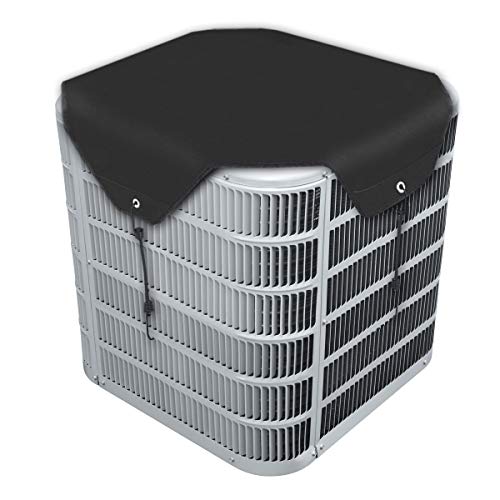
Expert-Recommended Air Conditioners for Every Need
Curated top picks based on room size, home type, budget, and features — so you can buy with confidence
EXPLORE RECOMMENDATIONSChoosing the right air conditioner can feel overwhelming with hundreds of models on the market. That is exactly why we created this recommendations hub. Instead of browsing endless product listings, you will find clearly organized, expert-vetted picks tailored to your specific situation — whether you are cooling a small bedroom, outfitting a large house, or shopping on a tight budget.
Every recommendation on this page is based on real-world performance data, efficiency ratings, customer feedback, and total value for money. We do not just list the most expensive models — we highlight the ones that genuinely serve their intended purpose best. If you want to understand the fundamentals first, start with our complete AC buying guide.
How We Choose Our Recommendations
Our recommendation process is transparent and research-driven. Here is the four-step methodology behind every pick on this page:
Define the Use Case
We categorize ACs by room size, home type, budget, and special features so every recommendation fits a real scenario.
Analyze Specifications
We evaluate BTU capacity, SEER ratings, noise levels, and build quality against the specific use case requirements.
Compare Real Feedback
We cross-reference verified owner reviews, long-term reliability reports, and professional HVAC technician opinions.
Assess Total Value
We weigh upfront cost against expected lifespan, energy savings, and maintenance needs to determine true value.
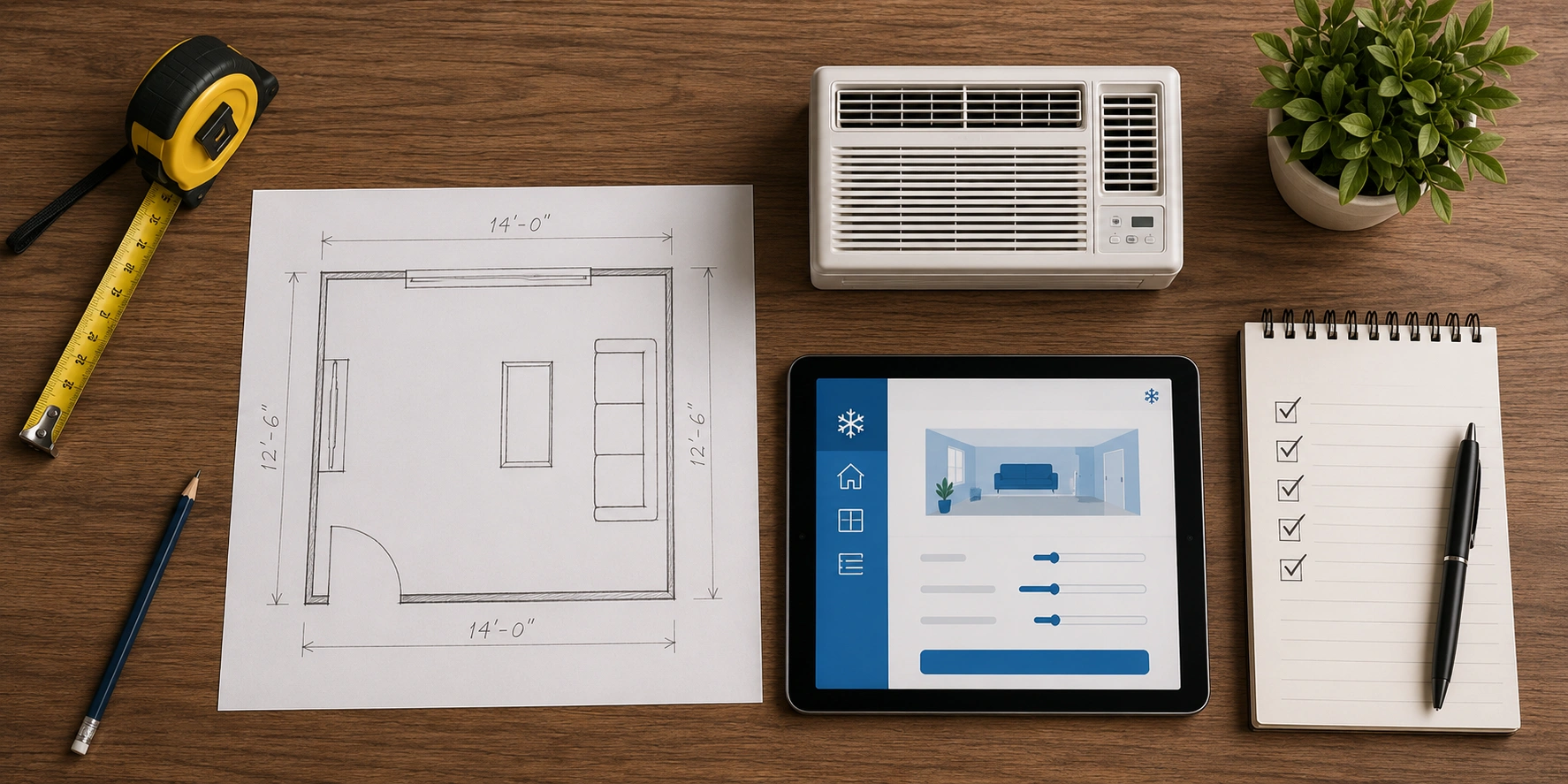
A systematic approach to selecting the right AC prevents costly mistakes and ensures long-term satisfaction
Best Air Conditioners by Room Size
The single most important factor in choosing an AC is matching its cooling capacity to your room size. An undersized unit will struggle to cool, while an oversized one will short-cycle, waste energy, and leave humidity uncontrolled. Use our BTU calculator for precise sizing, or start with the categories below based on your room's square footage.
 Best Value
Best for Small Rooms (Up to 150 sq ft)
For bedrooms, home offices, and dorm rooms, a 5,000–6,000 BTU window unit or portable AC delivers fast cooling without wasting electricity. Look for units with low decibel ratings (below 50 dB) for sleep-friendly operation.
 Most Popular
Best for Medium Rooms (150–250 sq ft)
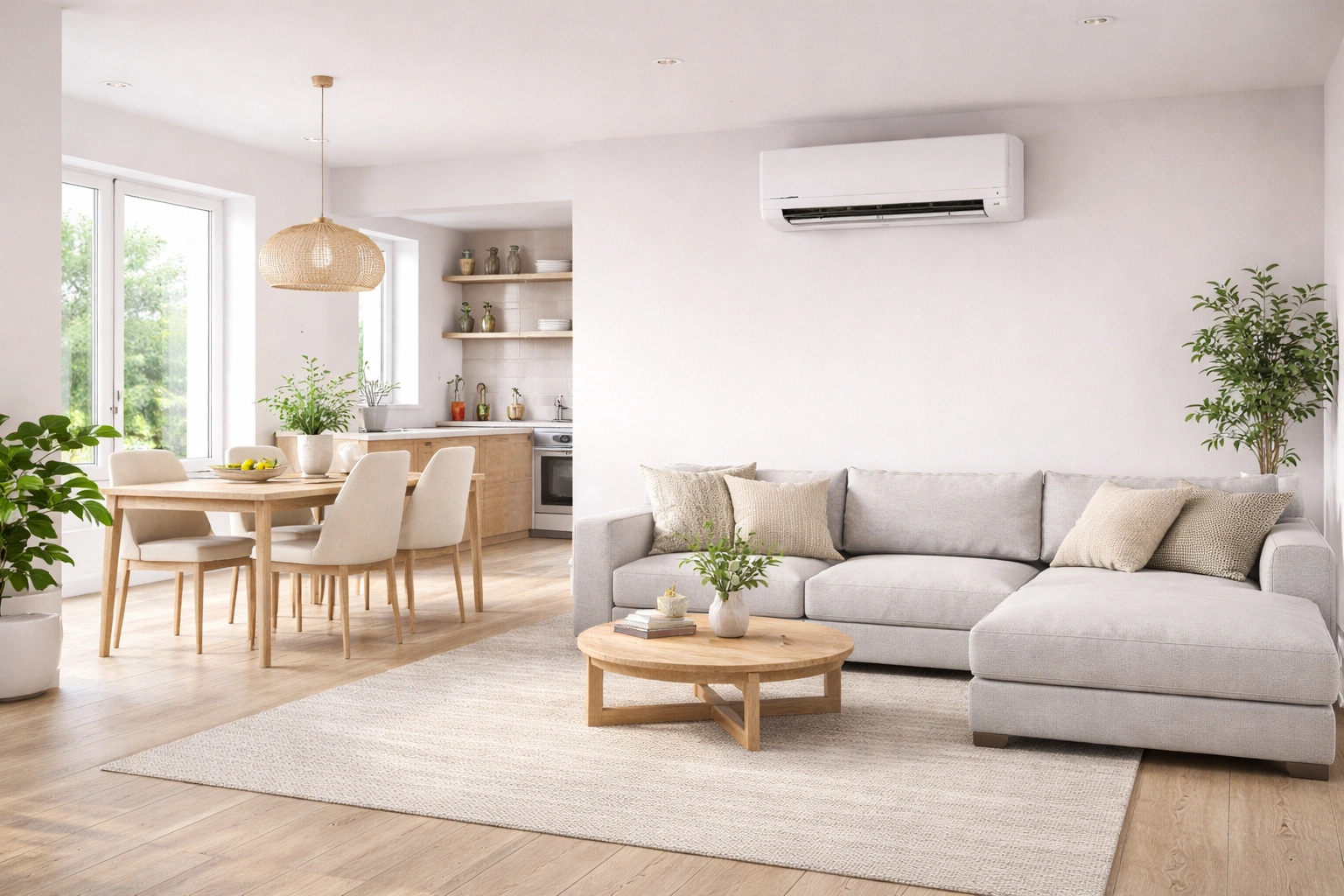
Living rooms, master bedrooms, and open kitchens need 8,000–10,000 BTU of cooling power. An inverter-equipped unit in this range offers the best balance of comfort and energy efficiency for daily use.
 Top Performance
Best for Large Rooms (250–400 sq ft)
Open-concept spaces, family rooms, and finished basements require 12,000–14,000 BTU. At this capacity, a mini-split system often outperforms window units in both cooling consistency and noise control.
Pro Tip: If your room has high ceilings, large windows facing direct sunlight, or is a kitchen with heat-generating appliances, add 10–20% more BTU capacity to your calculation. Learn more about proper sizing in our complete AC sizing guide.
BTU Quick Reference Chart
| Room Size | Recommended BTU | Best AC Type | Typical Price |
|---|---|---|---|
| Up to 150 sq ft | 5,000–6,000 BTU | Window AC | $150–$400 |
| 150–250 sq ft | 8,000–10,000 BTU | Window or Portable AC | $250–$650 |
| 250–400 sq ft | 12,000–14,000 BTU | Mini-Split | $400–$1,200 |
| 400–600 sq ft | 18,000–24,000 BTU | Mini-Split or PTAC | $800–$2,000 |
| 600–1,000 sq ft | 30,000–36,000 BTU | Multi-Zone Mini-Split | $1,500–$3,500 |
| 1,500+ sq ft (whole home) | 42,000–60,000+ BTU | Central AC | $3,500–$7,500+ |
Best Air Conditioners by Home Type
Your home's layout, age, and existing infrastructure dramatically affect which AC type will work best. A studio apartment has completely different requirements than a three-story house. Here are our top recommendations organized by living situation.

Matching your AC type to your home's specific characteristics ensures optimal performance and avoids unnecessary expenses
 Apartments
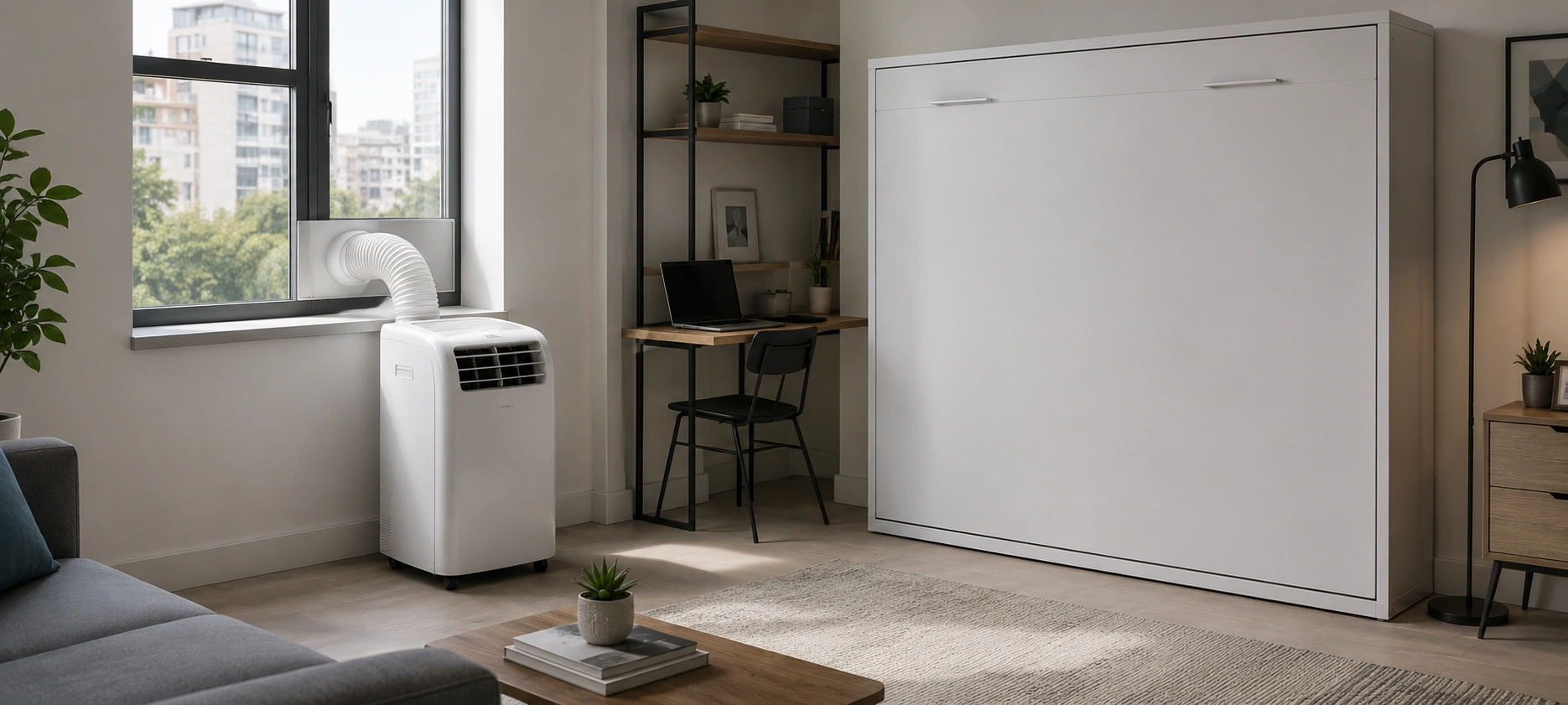
Best for Small Apartments and Studios
Renters and studio dwellers benefit most from window units or portable ACs that require no permanent installation. For temporary solutions, portable units offer the most flexibility. A single 8,000 BTU unit typically covers a studio or one-bedroom effectively.
 Houses
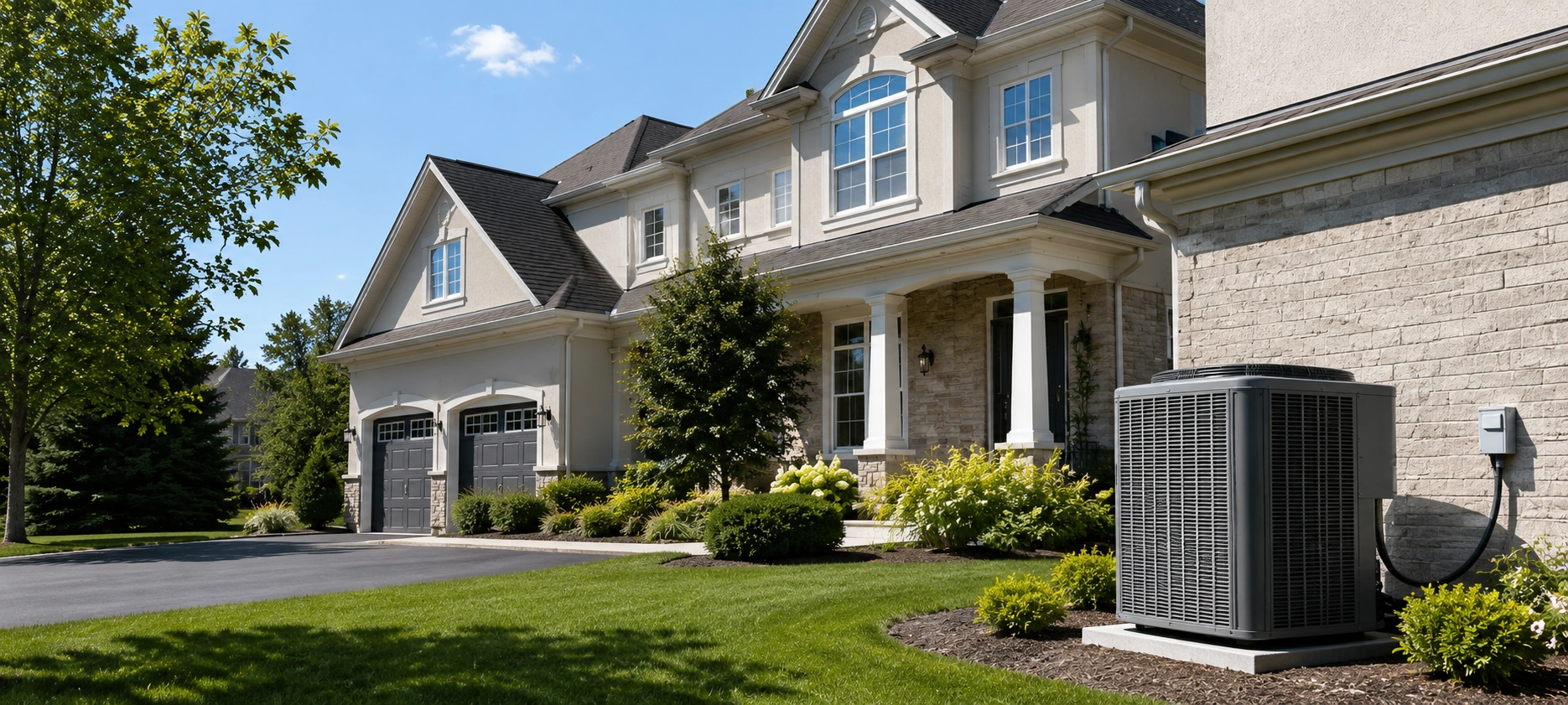
Best for Large Houses (3,000+ sq ft)
For whole-home comfort, a central air conditioning system with a two-stage or variable-speed compressor delivers the most even temperatures across all rooms. Pair it with zoning controls to avoid cooling empty rooms and reduce energy costs significantly.
 No Ducts Needed
Best for Older Homes Without Ductwork
Homes built before central AC was standard often lack ductwork. A ductless mini-split system is the ideal solution — it provides zoned cooling without the massive renovation cost of adding ducts. A ducted mini-split can even hide the indoor units in ceilings or walls for a clean look.
For homes with multiple floors, multi-story AC solutions often combine a central system for the main level with dedicated mini-splits for upper floors where heat rises and accumulates. New constructions, on the other hand, should plan the HVAC system during the design phase — see our new construction AC guide for planning tips.
Best Air Conditioners by Budget
You do not need to spend a fortune to get effective cooling. The key is understanding what you can realistically get at each price point and avoiding the trap of buying the cheapest option that will cost more in energy bills and replacements. Here is what to expect at each budget tier.

Each budget tier offers distinct advantages — the goal is finding the tier that matches your needs without overpaying

Under $500
Best for single-room cooling with window units and basic portable ACs. Expect 5,000–8,000 BTU capacity with mechanical controls and standard efficiency. Ideal for guest rooms, dorms, and occasional use.
$150–$500 View Options
Under $1,000
This sweet spot gets you 8,000–12,000 BTU units with digital controls, timers, and often ENERGY STAR certification. Single-zone mini-split systems also start in this range — the best value for dedicated room cooling.
$500–$1,000 View Options
Under $2,000
Premium single-zone inverter mini-splits with high SEER ratings (20+), Wi-Fi control, and ultra-quiet operation. Also covers quality through-the-wall units and basic multi-zone mini-split setups.
$1,000–$2,000 View Options
Under $5,000
Multi-zone mini-split systems covering 2–4 rooms, or entry-level central AC installations for smaller homes. Includes professional installation in many cases. The best investment for whole-home comfort on a moderate budget.
$2,000–$5,000 View OptionsSmart Spending Advice: A $300 ENERGY STAR unit can actually save more over its lifetime than a $200 non-certified model. The energy savings typically offset the price difference within 1–2 cooling seasons. Always check the SEER rating before choosing based on price alone.
Best Air Conditioners by Special Features
Sometimes your priority is not room size or budget but a specific feature that matters most to your lifestyle. Whether you need whisper-quiet operation for a bedroom, smart controls for convenience, or maximum efficiency to lower your electricity bill, these recommendations focus on what matters most to you.
 Save Money
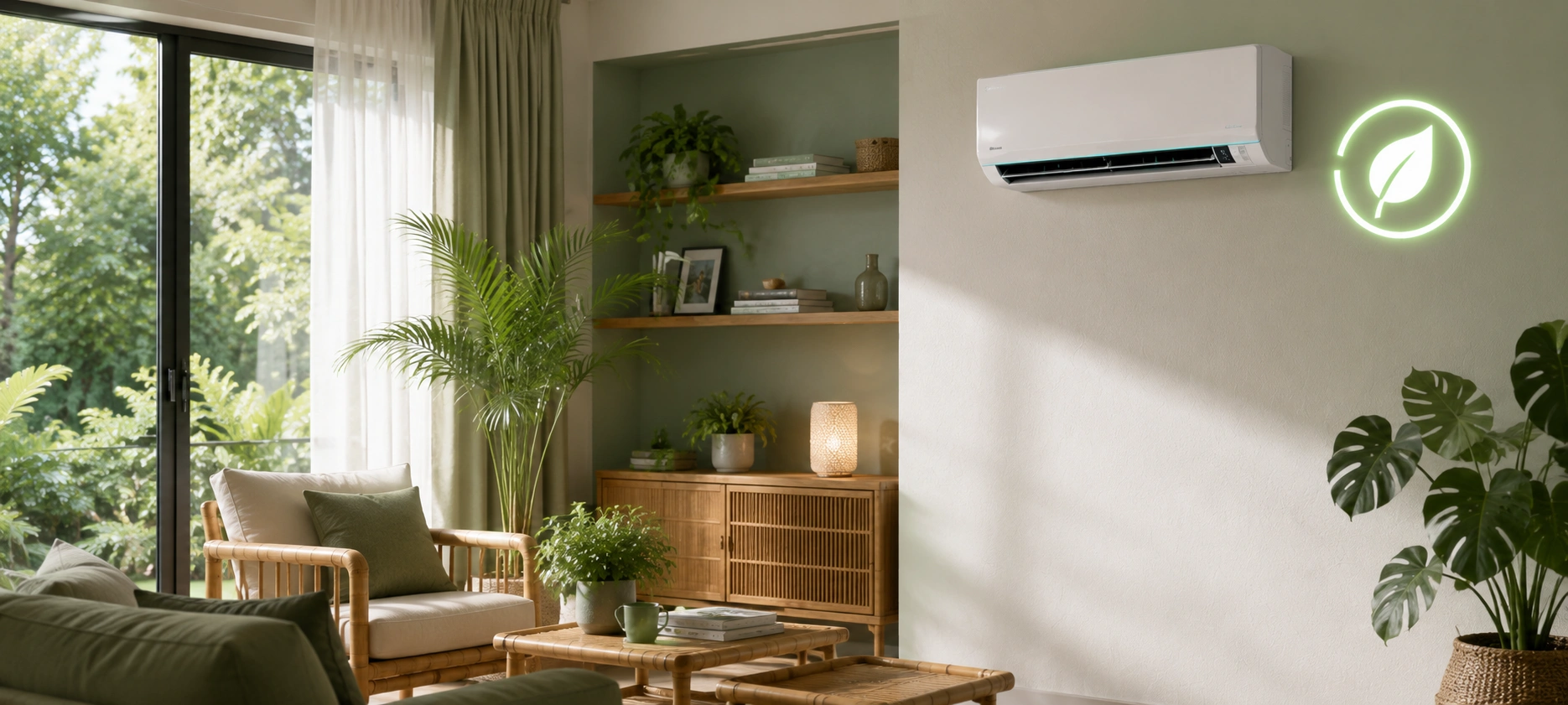
Most Energy Efficient
Inverter technology is the biggest leap in AC efficiency. Unlike traditional units that cycle on and off, inverters modulate compressor speed to maintain precise temperatures using far less electricity. Look for SEER ratings of 22+ and ENERGY STAR certification for guaranteed savings. Also check for federal tax credits on high-efficiency models.
 Whisper Quiet
Quietest Operation
For bedrooms and home offices, noise level is critical. The quietest ACs operate at 19–24 dB on low settings — quieter than a whisper. Mini-split systems naturally outperform window units here because the noisy compressor sits outside. Look for units specifically marketed with "sleep mode" or "silent operation."
 Smart Home
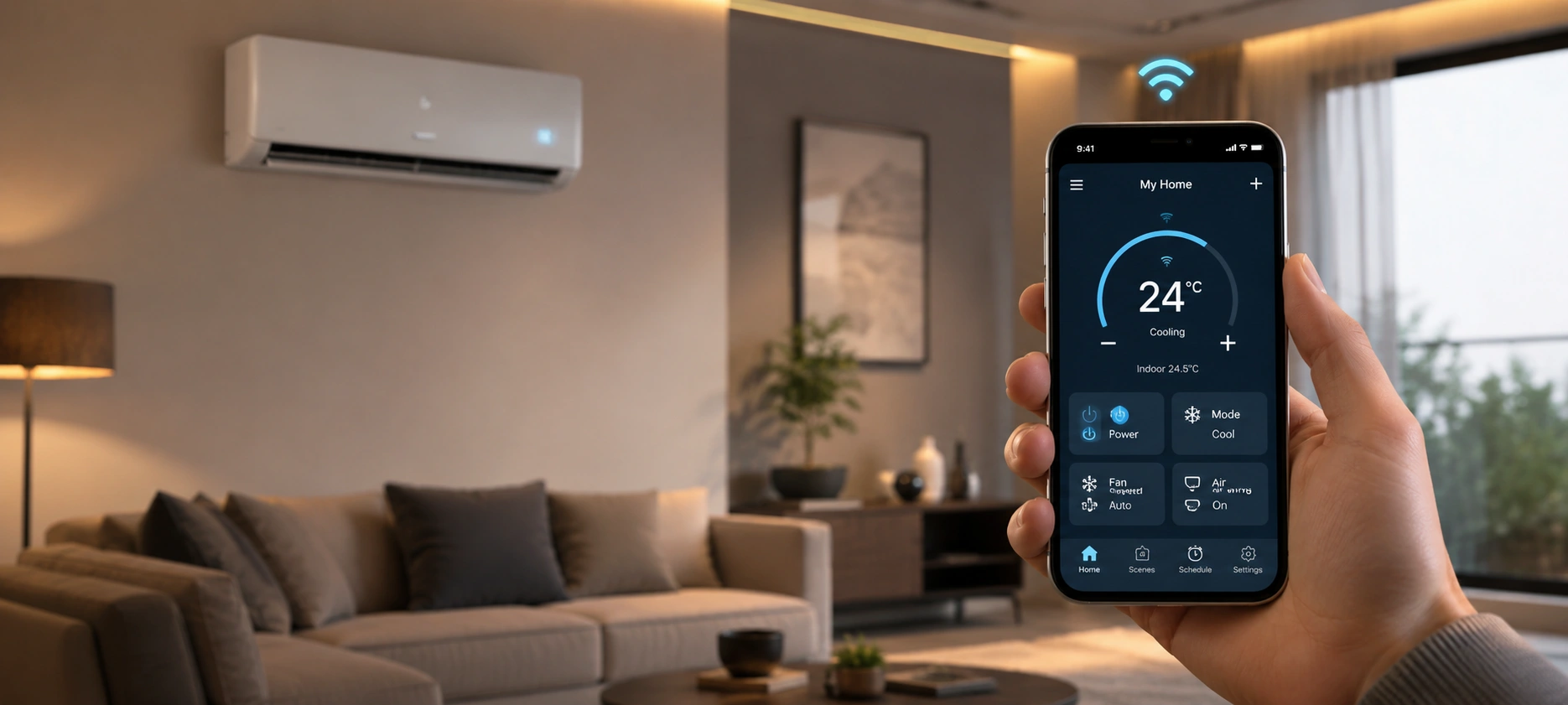
Best with Wi-Fi and Smart Control
Wi-Fi enabled ACs let you control temperature, set schedules, and monitor energy usage from your phone — whether you are at work or on vacation. Many integrate with Amazon Alexa, Google Assistant, and Apple HomeKit. This is part of the broader smart HVAC trend that is transforming home comfort management.
Other feature-driven categories worth exploring include ACs with heat pump functionality (for year-round climate control), models with built-in air purifiers (for allergy sufferers), and self-cleaning units (for reduced maintenance). If electricity costs are a major concern in your area, consider low wattage ACs that draw less power without sacrificing cooling performance.
Essential Checks Before You Buy
Even the best air conditioner will underperform if it is not properly suited to your space and electrical setup. Before clicking "buy," run through this checklist to avoid the most common and costly mistakes.

Taking 10 minutes to verify these factors before purchasing can save you hundreds of dollars and years of frustration
-
Confirm Your Room's Exact BTU Requirement
Measure your room precisely (length × width = square feet), then account for ceiling height, sunlight exposure, and occupancy. Use our BTU calculator to get the right number. Remember that an oversized AC is just as bad as an undersized one.
-
Verify Your Electrical Capacity
Check whether your outlet is 110V or 240V and whether your electrical panel has enough available amperage. Larger units (12,000 BTU+) may require a dedicated circuit. If unsure, consult an electrician — this is not optional for safety.
-
Understand the SEER Rating and Energy Costs
A higher SEER rating means lower operating costs. The difference between a 14 SEER and a 22 SEER unit can amount to hundreds of dollars in annual savings. Also note the new SEER2 standards that affect how efficiency is measured.
-
Check Installation Requirements and Permits
Window units are typically DIY-friendly, but mini-splits and central systems require professional installation. Determine if you need a permit in your area, and factor installation costs into your total budget. Use our installation cost estimator to plan ahead.
-
Compare Warranty Coverage
A solid AC warranty should cover the compressor for at least 10 years and other parts for 5–10 years. Verify whether the warranty requires professional installation to remain valid — many manufacturers void the warranty on DIY-installed mini-splits.
-
Consider the Refrigerant Type
The industry is transitioning away from R410A to newer refrigerants like R32 and R454B due to EPA regulations. Understanding the R410A phase-out timeline helps you avoid buying a unit that may face higher servicing costs in the future.
Avoid Scams: Be wary of contractors offering dramatically lower prices than competitors or pressuring you into an immediate decision. Our guide on how to avoid AC scams covers the most common red flags, including unrealistically low quotes, vague contracts, and claims about "secret" efficiency ratings.
Still Not Sure Which AC to Choose?
Try our interactive BTU calculator and get a personalized recommendation based on your exact room dimensions, climate zone, and specific needs.
Calculate Your BTU NeedsQuick AC Type Comparison
If you are still deciding between AC types, this comparison covers the most important trade-offs. Each type excels in specific situations — there is no single "best" type for everyone.
| Feature | Window AC | Portable AC | Mini-Split | Central AC |
|---|---|---|---|---|
| Cooling Capacity | 5,000–24,000 BTU | 8,000–14,000 BTU | 9,000–36,000+ BTU | 24,000–60,000+ BTU |
| Best For | Single rooms | Temporary use | Homes without ducts | Whole home |
| Installation | DIY possible | DIY (no mounting) | Professional required | Professional required |
| Noise Level | 50–60 dB | 45–55 dB | 19–40 dB (indoor) | Variable (indoor quiet) |
| Energy Efficiency | Moderate | Lower | Highest | High (with variable speed) |
| Upfront Cost | $150–$800 | $300–$700 | $700–$5,000+ | $3,500–$7,500+ |
| Lifespan | 8–10 years | 5–8 years | 12–20 years | 15–20 years |
For a deeper comparison between ducted and ductless options, read our ductless vs ducted AC guide. If you are deciding between a heat pump and a standard AC, our heat pump vs AC comparison explains when a heat pump is the smarter investment.
Protect Your Investment With Proper Maintenance
Even the best air conditioner will lose efficiency and break down prematurely without regular maintenance. The good news is that basic upkeep is simple and inexpensive. Cleaning or replacing your AC filter every 1–3 months is the single most impactful maintenance task — a clogged filter forces the system to work harder, increasing energy consumption by up to 15%.
Additionally, scheduling annual condenser coil cleaning and following a seasonal maintenance checklist can extend your unit's lifespan by several years. If you prefer hands-off maintenance, consider an AC maintenance plan from a local HVAC provider — these typically cost $150–$300 per year and cover preventive inspections, filter changes, and priority service.
For more energy-saving strategies beyond equipment choice, explore our tips to reduce your AC electricity bill, including optimal thermostat settings, using ceiling fans to supplement cooling, and sealing duct leaks that waste conditioned air.