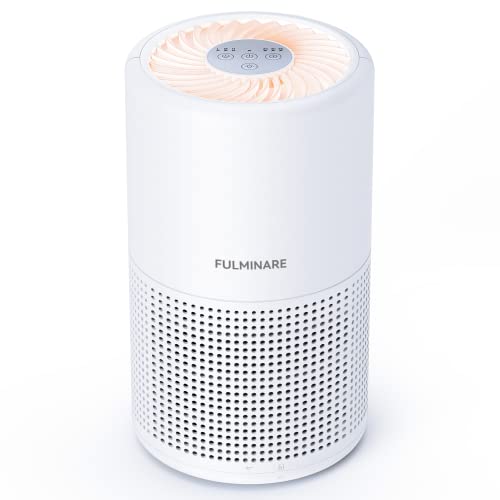
AC with Air Purifier: The Ultimate Guide to Clean & Cool Air
Breathe easier while staying comfortable. Discover how modern air conditioners with built-in purification remove allergens, dust, and pollutants—perfect for allergy sufferers and health-conscious families.
Shop Top Picks →Why combine cooling and purification? A standalone air purifier takes up space and adds cost. An AC with air purifier integrates both functions into one powerful unit, saving energy, reducing clutter, and delivering fresher indoor air year-round.
How Does an AC with Air Purifier Work?
Unlike standard air conditioners that only recirculate and cool indoor air, these advanced systems include multi-stage filtration. As air passes over the evaporator coils, it also goes through pre-filters, HEPA-type filters, activated carbon, ionizers, or UV-C lamps. This captures microscopic particles, neutralizes bacteria, and reduces volatile organic compounds (VOCs). Many modern units, especially inverter AC models, run the fan continuously at low speed to purify even when cooling is not needed, ensuring 24/7 air quality improvement.
If you already have a central system, you might consider a central air conditioning upgrade with a whole-home air purifier attachment. For apartments and smaller spaces, ductless mini-split AC units often come with optional plasma or electrostatic filters. No matter your home configuration, there is a purification-enabled cooling solution.
Key Air Purification Technologies in ACs
True HEPA & Washable Filters
Captures 99.97% of particles ≥0.3 microns (dust, pollen, mold spores). Ideal for severe allergies.
Negative Ion Technology
Releases charged ions that attach to airborne particles, making them heavy and trapped in the filter. Reduces static and some bacteria.
Ultraviolet Germicidal
Deactivates viruses, bacteria, and mold by damaging their DNA. Often combined with photocatalytic oxidation.
Odor & VOC Removal
Absorbs cooking smells, smoke, formaldehyde, and chemical fumes — perfect for urban homes.
Which AC Type Offers Built-in Purification?
Many window air conditioner models now feature washable antimicrobial filters and ionizers. For mobility, portable air conditioner units with dual filters (carbon + pre-filter) are widely available. If you seek whole-home comfort, central AC can be integrated with electronic air cleaners or UV systems inside the ductwork. Meanwhile, the most advanced purification is often found in ductless mini-split AC systems featuring plasma quad technology and self-cleaning functions. For renters or temporary setups, through-the-wall AC units with slide-out chassis also come with upgraded filter options.
Understanding your room size is crucial even with purification. Use our BTU calculator by room size to ensure efficient cooling. Oversizing leads to humidity problems and wastes energy, while undersizing won’t filter air effectively due to continuous high-speed running. Also, consider SEER rating — higher SEER models often include better filtration because they run longer cycles.
Comparison of Purification Technologies in ACs
| Technology | Best For | Maintenance | Cost Impact |
|---|---|---|---|
| Washable Pre-Filter | Catching large dust & pet hair | Vacuum/rinse every 2 weeks | Minimal ($20–$50 extra) |
| HEPA-type / Electrostatic | Allergens & fine particles | Replace every 6–12 months | Moderate ($50–$150/year) |
| Activated Carbon | Smoke, odors, VOCs | Replace every 3–6 months | Low to moderate |
| Ionizer / Plasma | Static dust reduction | No consumables, occasional cleaning | Built-in (no extra cost) |
| UV-C Light | Germs, viruses, mold | Replace bulb every 1–2 years | $80–$200 |
✔️ Advantages of AC with Air Purifier
- Space-saving 2-in-1 solution (no extra appliance).
- Continuous air cleaning while cooling or fan-only mode.
- Reduces allergy symptoms, asthma triggers, and dust accumulation.
- Many models include Wi-Fi & smart control to monitor air quality via app.
- Energy-efficient compared to running AC + separate purifier 24/7.
⚠️ Considerations & Potential Drawbacks
- Replacement filters add recurring costs ($30–$120 per year).
- Ionizers may produce trace ozone (look for UL-certified ozone-free).
- High-end HEPA systems slightly reduce airflow (negligible on proper sizing).
- Not all portable/window ACs have medical-grade filtration; check specifications.
What to Look for When Buying an AC with Air Purifier
- Filter Type and Replacement Cost: Opt for washable pre-filters plus HEPA or carbon. Avoid misleading “permanent filters” that lose efficiency.
- Clean Air Delivery Rate (CADR): Some manufacturers specify CADR for cooling units; higher is better for room size.
- Energy Efficiency (SEER/CEER): Check ENERGY STAR certified AC models to save on electricity.
- Noise Level (dB): Purification fans add some noise — look for “quiet mode” below 40 dB for bedrooms.
- Smart Features: Air quality sensors, auto mode, and filter change reminders are valuable.
- Warranty & Certification: CARB-certified (no harmful ozone) and AHRI verified performance.
Maintenance Tips to Keep Air Clean & Cool
To ensure your purifier AC works optimally, follow these steps: Regularly clean AC filter (every 2–4 weeks depending on usage). Vacuum the pre-filter and ionizer needles. Check UV-C lamp indicator (if equipped) and replace annually. Schedule professional AC maintenance plan to check coils, drain pan, and blower — dirty coils breed mold and reduce purification efficiency. Also, seal air ducts if you have central AC; leaks bring in unfiltered attic dust.
For common problems like AC smells bad solution, often the carbon filter is saturated or drain pan has stagnant water — replace the filter and clean the pan. If your unit AC not cooling solution involves a clogged filter, that’s easily fixed. Remember, a well-maintained AC with air purifier not only cools better but also prolongs equipment life and keeps your family healthy.
Cost Expectations and Long-Term Value
A standard window unit with basic ionizer costs around $250–$500. Mid-range portable ACs with carbon + HEPA filters range from $400–$800. Ductless mini-split systems with advanced plasma purification start at $1,200–$2,500 (including professional installation). For central AC add-ons, a whole-home electronic air cleaner plus UV lamp costs $800–$1,500 installed. While the upfront premium may be $100–$400 compared to basic ACs, you save the cost of a separate air purifier ($150–$400) and reduce energy consumption from running two devices. Moreover, cleaner HVAC coils and filters boost efficiency by 5–15% annually.
If you are building a new home, consult our AC for new construction guide for pre-installed filtration ductwork. For smaller budgets, AC under $1,000 with purifying features are available from brands like LG, Midea, and Frigidaire.
Frequently Asked Questions (AC + Air Purifier)
❓ Do ACs with air purifiers really remove viruses?
Yes, models with UV-C or plasma ionizer can reduce certain viruses and bacteria. However, for maximum virus removal, a standalone HEPA purifier is still recommended. Many mini-splits and high-end portables offer medical-grade filtration now.
❓ Can I add an air purifier to my existing AC?
Absolutely! For central systems, add a media filter cabinet or UV light in the return duct. For window/portable units, you can attach aftermarket filter sheets (cut-to-fit) over the intake grille, but ensure airflow isn’t restricted.
❓ Is an ionizer safe for asthma patients?
Look for “ozone-free” ionizers certified by UL or CARB. Some ionizers produce trace ozone, which can irritate lungs. HEPA + carbon combo is safest for sensitive individuals.
Find more answers on our FAQ page or explore AC shopping guide for step-by-step selection.
If you want a quiet unit for your bedroom, check the quiet air conditioner recommendations. For whole-house energy savings, compare inverter vs non-inverter technology. Also, know when to replace AC filter to keep purification effective. Learning these details ensures you maximize your investment in health and comfort.