Complete Guide: How to Clean AC Evaporator Coils (Step-by-Step)
Dirty evaporator coils cause poor cooling, high energy bills, and compressor failure. Learn professional DIY cleaning to restore efficiency — and know when to replace your AC unit.
JUMP TO STEP-BY-STEP →❄️ Did you know? A dirty evaporator coil can increase your AC's energy consumption by up to 30% and reduce cooling capacity by 40%. Cleaning coils once a year can save $100–$400 annually and extend system life by 3–5 years. This guide empowers you to DIY safely — or decide when professional help is needed.
What Are Evaporator Coils & Why Do They Get Dirty?
The evaporator coil is located inside your indoor air handler or furnace. It absorbs heat from your home's air as refrigerant evaporates. Over time, dust, pet dander, mold, and grease build up on the coil surface, acting as an insulator. This reduces heat transfer and forces your compressor to work harder. If you’ve noticed reduced airflow, AC not cooling, or ice forming on refrigerant lines, dirty coils are a likely culprit. Understanding the basic AC refrigeration cycle helps you appreciate why clean coils are vital for efficiency.
🚨 5 Signs Your AC Evaporator Coils Are Dirty
- Weak or warm airflow from vents even when thermostat is set low.
- Higher electricity bills without changing usage patterns.
- Frozen evaporator coils or ice on the refrigerant line.
- Musty or moldy smell when AC runs — moisture trapped in dirt.
- Short cycling (AC turns on/off frequently) or constant running.
Ignoring these signs may lead to expensive repairs like compressor replacement ($1,500–$2,500) or entire system failure. Routine cleaning is a fraction of that cost — typically $0 (DIY) to $150 (professional).
🛠️ Tools & Supplies You’ll Need (Under $40)
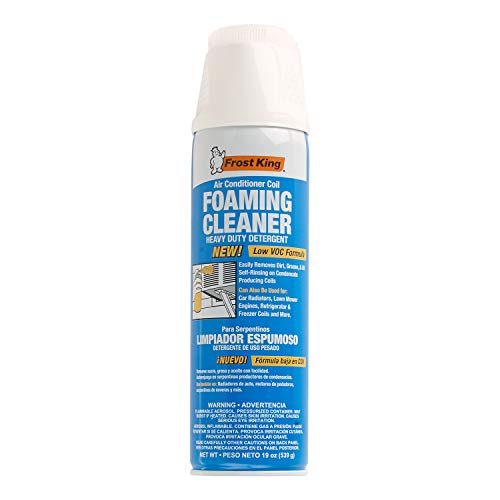
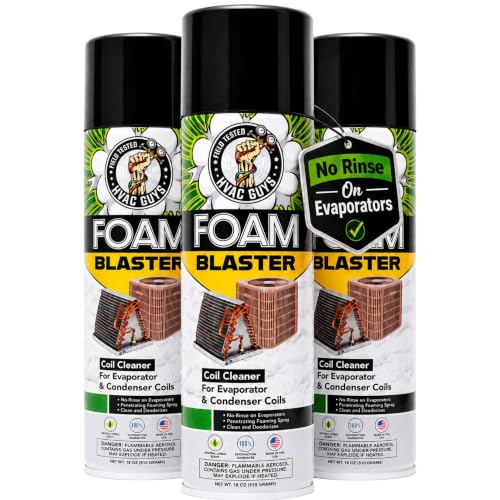
You can buy these at any hardware store or Amazon. Pro tip: Use a no-rinse biodegradable coil cleaner to avoid complicated rinsing and protect your drain pan.
📋 Step-by-Step: Clean Evaporator Coils Like a Pro
🔌 Turn Off Power & Safety First
Shut off your AC at the thermostat and the circuit breaker. Remove the disconnect block near the outdoor unit. This prevents electric shock or fan startup while you work. Also, turn off the furnace switch if accessible.
🔧 Access the Evaporator Coil
Locate your air handler (basement, attic, or closet). Remove access panel screws using a screwdriver. For ductless mini-split systems, open the front cover and remove the filter, then the coil is exposed. For central AC, look for the A-coil or slab coil above the furnace. Wear goggles — dust may fall.
🧹 Remove Loose Debris & Vacuum
Use a soft brush to gently dislodge large dust bunnies and then vacuum the coil fins and surrounding area. Be careful not to bend delicate fins. If you have a clean AC filter habit, coils stay cleaner longer — but still need annual inspection.
🧴 Apply Coil Cleaner (No-Rinse Recommended)
Shake the can and spray foam evenly across the entire coil surface. The foam expands and lifts dirt from between fins. Wait 10–15 minutes (follow label instructions). Most modern cleaners self-rinse; dirt drips into the condensate drain pan. For heavy buildup, gently agitate with a soft brush.
💧 Rinse Only If Required (Low-Pressure Water)
If your cleaner requires rinsing, use a garden sprayer with gentle water pressure — never a pressure washer (bends fins). Place a drop cloth to catch water. For window AC units, you can remove the chassis and rinse outside. For mini-splits, no-rinse foam is safest.
🔄 Straighten Bent Fins & Clean Drain Pan
Use a fin comb to gently realign bent fins for maximum airflow. Also, wipe the condensate drain pan and check that the drain line is clear. A clogged drain can cause AC leaking water or water damage.
✅ Reassemble & Restore Power
Replace the access panel, close the breaker, and turn on the thermostat. Wait 15–20 minutes and feel the airflow — it should be noticeably colder. Check for any unusual sounds or water leaks.
• Never use bleach or acidic cleaners — they destroy aluminum coils.
• If the coil is severely covered with oil or mold (from lack of filter maintenance), or you’re not comfortable accessing electrical compartments, hire an HVAC technician. Typical annual service cost including coil cleaning: $120–$250.
• If your AC is older than 12 years and has refrigerant leaks, it may be better to consider replace vs repair — a new inverter AC or high SEER unit may save more long-term.
📅 Cleaning Frequency & Maintenance Schedule
For most homes: clean evaporator coils once per year (before summer cooling season). If you have pets, smokers, or live in dusty areas, consider twice a year. Combine this with a seasonal AC checklist that includes filter changes, condenser coil cleaning, and checking refrigerant levels. After cleaning, you’ll notice lower humidity, faster cooling, and reduced runtime — directly lowering your electric bill by 10–25%.
💰 Cost Breakdown: DIY vs Pro vs Ignoring
- DIY cleaning (coil spray + tools): $15–$35 (one-time purchase of tools lasts years).
- Professional coil cleaning (included in tune-up): $120–$250 (includes electrical check, refrigerant pressure test).
- Ignoring dirty coils: potential compressor burnout ($1,800–$3,000 repair) or entire system failure.
If your system is under warranty, some manufacturers require proof of annual maintenance. Keep receipts for DIY cleaning supplies or professional service to avoid voiding coverage.
🔗 Keep Your AC in Top Shape
After mastering evaporator coil cleaning, explore these related guides: learn how to clean AC filter (monthly task), clean outdoor condenser coils, troubleshoot common problems like frozen coils, and understand SEER ratings when it’s time to upgrade. For homes without ductwork, read our ductless mini-split AC maintenance guide.
❓ FAQ: Cleaning Evaporator Coils
Q: Can I use vinegar or bleach?
A: No — both corrode aluminum fins. Use commercial coil cleaner designed for HVAC.
Q: How long does it take for coils to dry?
A: With no-rinse foam, coils dry in 20–30 minutes. With water rinse, allow 1 hour before turning AC on.
Q: Will cleaning coils fix low airflow?
A: It often improves airflow by 20%+ but if still weak, check ductwork or blower motor — see our ductwork design guide.
Q: Can dirty evaporator coils cause health issues?
A: Yes — mold and bacteria growth on wet coils can trigger allergies. Regular cleaning prevents bad smells and improves indoor air quality.
💡 Ready to upgrade or need cleaning tools? Below you’ll find hand-picked coil cleaners, fin combs, and energy-efficient air conditioners recommended by our experts. If after cleaning your system still struggles, investing in a new inverter AC or mini-split might be more cost-effective. Browse our affiliate picks to get the best deals.