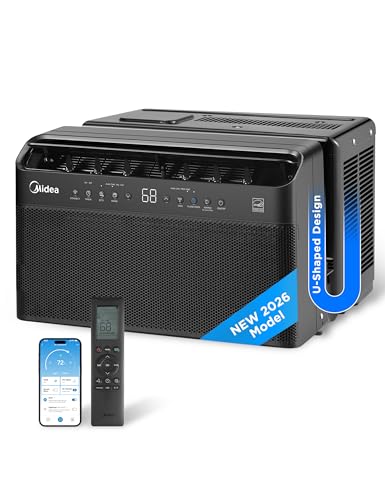
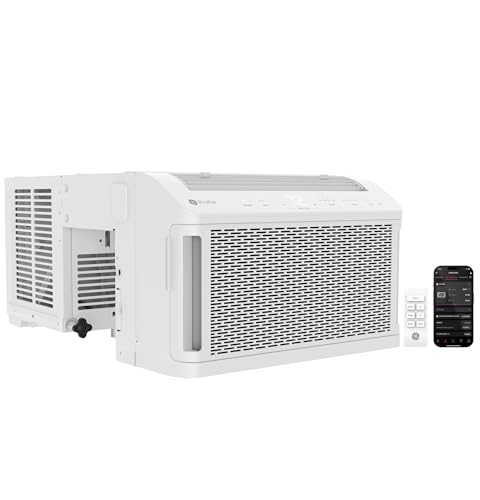
ENERGY STAR Certified AC: Smarter Cooling, Lower Bills
Discover how ENERGY STAR certified air conditioners can cut your energy costs by up to 30% while reducing your carbon footprint — without compromising comfort.
Shop ENERGY STAR Picks →What Does ENERGY STAR Mean for Air Conditioners?
ENERGY STAR is a trusted, government-backed symbol for energy efficiency, introduced by the U.S. Environmental Protection Agency (EPA). When you see the blue label on an air conditioner, it means the unit meets strict energy performance standards set by the EPA and Department of Energy (DOE). In fact, ENERGY STAR certified central air conditioners are about 8% more efficient than standard new models and up to 30% more efficient than conventional units manufactured a decade ago.
Choosing an ENERGY STAR certified AC is one of the smartest decisions for homeowners who want to save money, reduce environmental impact, and enjoy reliable cooling. Whether you’re exploring ductless mini-split AC systems, window units, or whole-home central systems, the ENERGY STAR label ensures you’re getting top-tier efficiency.
Energy savings compared to conventional models
Estimated annual utility bill reduction
Lower greenhouse gas emissions
Federal tax credit (up to $2,000 for heat pumps)
Understanding SEER2 and ENERGY STAR Requirements (2025+ Standards)
The new DOE efficiency standards effective January 1, 2023, introduced SEER2 (Seasonal Energy Efficiency Ratio 2) as the updated metric for measuring AC efficiency. ENERGY STAR certification now requires even higher SEER2 levels depending on your region (North, Southeast, or Southwest). For split-system central air conditioners, ENERGY STAR requires a SEER2 rating of at least 15.2 for northern states and 16.2 for southern states.
When comparing units, always look for the ENERGY STAR label on the product page. For deeper insights, read our complete guides on what is SEER rating and the latest SEER vs SEER2 DOE standards. If you also need heating, consider an AC with heat pump which can qualify for even greater tax incentives.
Which AC Types Offer ENERGY STAR Certification?
Almost every category of air conditioner has ENERGY STAR certified models. Below are the most popular types with efficiency ratings and estimated price ranges (updated for 2025 market).
| AC Type | Typical SEER2 Range | Estimated Cost (Unit only) | Best For |
|---|---|---|---|
| Central AC | 16–20 SEER2 | $3,500–$7,500 | Whole-home cooling with existing ductwork |
| Ductless Mini-Split | 19–28 SEER2 | $1,200–$4,500 per zone | Homes without ducts, additions, or garages |
| Window AC | 12–15 CEER (Combined Energy Efficiency Ratio) | $250–$800 | Single rooms, renters, small spaces |
| Portable AC | 11–14 CEER | $350–$900 | Rooms where window units aren't feasible |
| Inverter AC | Up to 28 SEER2 (mini-splits) | $900–$3,000+ | Quiet operation & variable speed energy savings |
For larger homes, consider a two-stage AC or variable speed AC which run longer at lower speeds — offering better humidity control and higher efficiency. If you live in a small apartment, an AC for small apartment with ENERGY STAR can drastically reduce summer electric bills.
Federal Tax Credits & Local Rebates (Up to $2,000 Back)
Thanks to the Inflation Reduction Act (IRA), homeowners can claim a tax credit of 30% of the cost, up to $600 for ENERGY STAR certified air conditioners (non-heat pump) and up to $2,000 for qualified heat pump systems. This applies to installations completed between January 1, 2023, and December 31, 2032. Make sure your new AC meets the highest efficiency tier (ENERGY STAR Most Efficient) for maximum savings.
Additionally, many utility companies offer instant rebates ranging from $100 to $800 for replacing old inefficient units with ENERGY STAR certified models. Check the HVAC tax credits and rebates guide for state-specific programs. For new construction homes, an AC for new construction with high SEER2 can increase property value and attract eco-conscious buyers.
Beyond Savings: Environmental & Smart Benefits
ENERGY STAR certified AC units use about 30% less electricity, which directly reduces power plant emissions. In fact, if every residential AC sold in the U.S. were ENERGY STAR certified, annual greenhouse gas emissions would be reduced by over 10 billion pounds — equivalent to removing nearly one million cars from the road.
Modern ENERGY STAR models often include smart features like Wi-Fi connectivity, geofencing, and usage reports. Pair your unit with a AC with Wi-Fi & smart control to optimize cooling schedules and track real-time energy consumption. For renters or temporary setups, a AC for renters with ENERGY STAR portable or window unit delivers flexibility without long-term commitment.
- ✅ Lower carbon footprint and reduced environmental impact.
- ✅ Quieter operation thanks to advanced inverter compressors.
- ✅ Improved dehumidification for greater comfort.
- ✅ Compatible with solar panels and home energy management systems.
Keep Your ENERGY STAR AC Running at Peak Efficiency
Even the highest-rated ENERGY STAR unit will lose efficiency without proper care. Simple maintenance tasks can maintain up to 95% of the original efficiency over the lifespan. Here are essential tips:
- Clean or replace filters every 30–60 days: A dirty filter increases energy consumption by 5–15%. Learn how to clean AC filter properly.
- Inspect and clean coils annually: Dusty evaporator or condenser coils reduce heat transfer. Check our guide on clean AC condenser coils.
- Seal ductwork: Leaky ducts can waste 20–30% of cooled air. Follow how to seal air ducts for DIY fixes.
- Use a programmable thermostat: Set back temperature when away. Get the best practices at use programmable thermostat.
- Schedule professional maintenance: An annual service costs $150–$300 but prevents costly breakdowns.
If you notice your AC not cooling properly or leaking water, address issues immediately — they can cause efficiency drops of 30% or more.
ENERGY STAR Most Efficient: The Top 3% of Products
Each year, the EPA recognizes the absolute best performers with the "ENERGY STAR Most Efficient" designation. These models represent the top 3% of products on the market, featuring cutting-edge technology such as variable-speed compressors, enhanced dehumidification, and AI-driven energy optimization. To qualify, a central AC must have a SEER2 of 18 or higher and an EER2 of 12 or higher. Most energy efficient AC models often carry this label.
If you're willing to invest a bit more upfront, these premium units typically pay back the difference in energy savings within 3–5 years. Look for features like self-cleaning functionality and quiet operation as low as 25 dB.
Frequently Asked Questions About ENERGY STAR AC
❓ Is an ENERGY STAR AC really worth the extra cost?
Yes. Although ENERGY STAR models may cost $200–$800 more upfront, the annual energy savings of $100–$400 mean you'll recoup the extra cost in 1–3 years. Plus, federal tax credits and rebates accelerate the payback.
❓ Can I get an ENERGY STAR certified portable AC?
Absolutely. Many portable ACs from brands like Midea, LG, and Whynter carry the ENERGY STAR label. Look for dual-hose designs (more efficient) and CEER ratings above 12.
❓ What's the difference between ENERGY STAR and regular AC?
ENERGY STAR certified units undergo rigorous third-party testing to verify efficiency. They typically include better insulation, more efficient compressors, improved airflow design, and sometimes smart controls — all leading to 8–30% less energy use.
Still undecided? Read our complete buying guide or compare inverter vs non-inverter technologies.
✅ The Bottom Line: Investing in an ENERGY STAR certified air conditioner is one of the highest-ROI home improvements. You'll enjoy lower utility bills, enhanced comfort, and peace of mind knowing you’re helping the environment. Scroll down to see our hand-picked recommendations from trusted brands like Lennox, Carrier, Daikin, Midea, and LG — all verified ENERGY STAR models.