AC Annual Service Cost: What Homeowners Should Expect
Annual maintenance keeps your air conditioner running efficiently, extends its lifespan, and prevents unexpected breakdowns. Here is a complete breakdown of what a yearly service plan includes and how to plan for it.
Explore Service DetailsWhy annual service matters: An air conditioner that receives professional attention once per year operates more efficiently, delivers better cooling, and avoids the most common causes of mid-summer failures. Understanding the scope of annual service helps you plan ahead and choose the right maintenance tier for your system.
What Does an Annual AC Service Include?
Comprehensive System Inspection
A professional annual service is more than a quick filter change. A qualified technician performs a multi-point inspection covering the entire cooling system — from the outdoor condenser unit to the indoor evaporator coil and air handler.
- Inspect and test thermostat calibration and responsiveness
- Check refrigerant levels and inspect for leaks
- Clean or replace air filters
- Clean condenser coils and evaporator coils
- Lubricate moving parts including fan motors and bearings
- Test capacitors, contactors, and electrical connections
- Inspect and tighten electrical terminals
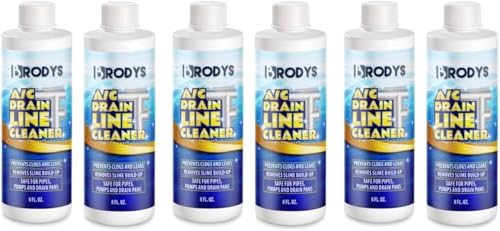
- Check condensate drain line for clogs and proper flow
- Measure airflow and temperature differential across the coil
- Inspect ductwork for leaks, insulation damage, or disconnections
- Test safety controls and startup sequence
Why These Checks Matter
Each item on the annual service checklist addresses a component that degrades over time. Dirty coils reduce heat transfer efficiency, low refrigerant indicates a leak, and loose electrical connections can cause compressor failure. Catching these issues during a scheduled visit prevents the far more disruptive and involved repairs that occur when problems escalate.
Homeowners who skip annual service often discover problems only when the system stops cooling entirely — typically during a heat wave when technicians are busiest. Routine maintenance shifts the work to a predictable, manageable schedule.
Service Plan Tiers: Choosing the Right Level
Annual service plans are commonly offered in three tiers. Each tier builds on the previous one, adding convenience features and broader coverage. The descriptors below reflect market positioning — not absolute figures — so you can compare plans across different providers.
| Tier | Best For | Typical Inclusions |
|---|---|---|
| Essential Tier | Single-system homes, budget-conscious homeowners | One seasonal tune-up, filter replacement, basic safety inspection |
| Balanced Tier | Most homeowners with central air or heat pumps | Two seasonal visits (spring/fall), priority scheduling, coil cleaning, drain flush, minor parts allowance |
| Premium Tier | Multi-zone systems, homeowners wanting maximum coverage | All balanced-tier services plus no additional-charge diagnostics, extended labor coverage, annual duct inspection, smart thermostat support |
Tip: If your system is more than a decade old or uses a less common refrigerant, a premium-tier plan often provides better long-term protection. Older systems benefit from more frequent inspection and easier access to replacement parts.
What Influences the Scope of Annual Service?
System Type
Central air, ductless mini-splits, and heat pumps each require slightly different service procedures. A ductless mini-split has multiple indoor heads to inspect, while a central system includes ductwork and a single air handler.
System Age & Condition
Older units typically need more attention during service — more cleaning, more electrical checks, and more frequent parts evaluation. A well-maintained newer system may require only a standard checklist.
Home Size & Zoning
Larger homes with multiple zones or more than one system require longer service visits. Multi-zone systems mean more equipment to inspect, test, and document during each annual visit.
How Service Plans Are Structured
Most HVAC companies structure annual service plans as either a single comprehensive visit or two seasonal visits — one in spring before cooling season and one in fall before heating season. The two-visit structure is common for heat pump systems because the same equipment provides both heating and cooling, and each mode benefits from a dedicated inspection.
Some providers also offer a la carte annual service, where you schedule a tune-up without committing to a plan. This is a reasonable option if you prefer flexibility, though it typically lacks the priority scheduling and extended coverage that plan members receive.
DIY Maintenance vs Professional Annual Service
What You Can Do Yourself
Routine homeowner maintenance complements professional service and reduces the burden on each annual visit. These tasks are safe and straightforward:
- Replace or clean air filters every 1–3 months
- Keep the outdoor condenser unit clear of debris, leaves, and vegetation
- Gently rinse condenser coils with a garden hose between professional cleanings
- Check and clear the condensate drain line
- Verify thermostat settings and replace batteries
What Requires a Professional
Refrigerant handling, electrical diagnostics, motor lubrication, and coil deep-cleaning require tools, training, and in some cases licensing. Attempting these tasks without proper preparation risks injury, equipment damage, and voided warranty coverage.
A professional annual service also provides documentation — a written report of measured readings, parts condition, and recommendations. This record is valuable for warranty claims and for tracking system health over time. If you ever notice symptoms between visits, such as your AC not cooling your house, having a documented service history helps technicians diagnose the issue faster.
Signs Your AC Needs Service Before the Annual Visit
Annual service is a scheduled baseline, but certain symptoms warrant a call before the next appointment:
- Reduced cooling or uneven temperatures between rooms
- Strange noises — rattling, grinding, or squealing
- Ice forming on the indoor or outdoor unit
- Water pooling around the indoor air handler or outdoor unit
- Musty or unusual odors when the system runs
- Frequent cycling (short on-off cycles)
- Unexplained increase in energy usage
If you notice any of these, a diagnostic visit is appropriate. For example, if you observe the fan blowing but no cold air, that points to a specific set of causes — low refrigerant, a failed compressor, or a blocked coil — that a technician can isolate quickly.
Planning Your Annual AC Service
Best Time to Schedule
Schedule your annual cooling service in early spring, before the first heat wave. Technicians are less busy, appointments are easier to secure, and any needed repairs can be completed before you depend on the system daily. For heat pumps, add a fall visit to prepare the heating mode.
Questions to Ask Before Choosing a Plan
- What exactly is included in each visit?
- Is priority scheduling included during peak season?
- Are replacement filters included or billed separately?
- Does the plan include a parts allowance or labor coverage?
- Can I transfer the plan if I move?
- Is the plan month-to-month or annual commitment?
For a broader view of what tune-up visits involve, see the air conditioner tune-up guide, which covers the standard checklist and what to verify after the visit.
Ready to Protect Your Cooling System?
Annual service is the most reliable way to avoid mid-summer breakdowns and keep energy usage predictable. Compare service plan options and find a qualified technician in your area.
Find Local HVAC ServicesFrequently Asked Questions
Related Guides
Explore these related resources to deepen your understanding of AC maintenance and system care:
- Air Conditioner Types — compare system types and their maintenance needs
- How to Clean AC Coils — between-visit coil care
- AC Leak Repair — what to do when you find refrigerant leaks
- Heating and Cooling Contractors — how to choose a service provider
- Energy-Efficient HVAC Systems — how maintenance supports efficiency