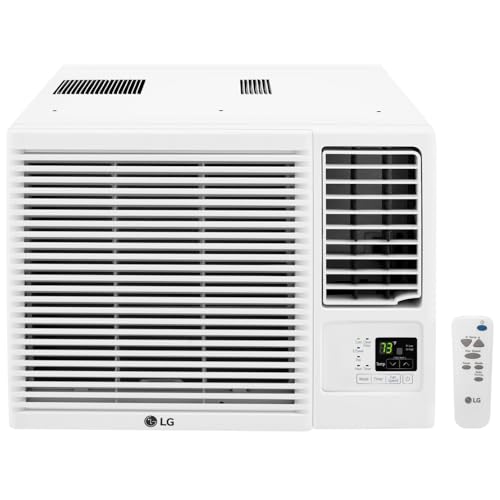
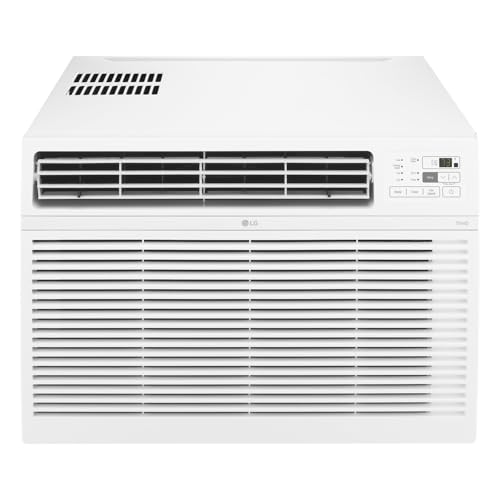
24,000 BTU Window Air Conditioner with Heat: The Complete Buyer's Guide
Your comprehensive resource for understanding, sizing, and choosing a 24,000 BTU window AC with heating capability for large rooms and open spaces.
Explore the GuideWhat Is a 24,000 BTU Window Air Conditioner with Heat?
A 24,000 BTU window air conditioner with heat is a dual-function unit that delivers powerful cooling during warm months and supplemental heating when temperatures drop. The 24,000 BTU capacity places this unit in the high-capacity segment of the window AC category, making it suitable for large rooms, open-plan living areas, and spaces that require substantial temperature control.
Unlike standard cooling-only window units, models with a heat function typically use either a heat pump mechanism or electric resistance heating elements. This dual capability makes them a versatile choice for regions with moderate heating needs or for spaces where extending the heating season is desirable without installing a separate system.
Key insight: A 24,000 BTU window AC with heat is designed for spaces roughly between 1,000 and 1,500 square feet, depending on ceiling height, insulation, sun exposure, and occupancy. Always verify the manufacturer's recommended coverage for the specific model you are considering.
This guide covers the essentials: sizing considerations, how the heating function works, efficiency ratings, installation requirements, and practical factors to evaluate before purchasing. Whether you are replacing an aging unit or adding climate control to a large room, understanding these elements will help you make an informed decision.
How to Determine If 24,000 BTU Is Right for Your Space
BTU (British Thermal Unit) measures cooling capacity. A 24,000 BTU unit provides substantially more cooling power than standard 8,000–12,000 BTU models. However, selecting the right capacity involves more than matching a number to a room size. Oversizing a unit can lead to short cycling, which reduces efficiency and may not properly dehumidify the air. Undersizing leaves the space uncomfortable during peak heat.
General Room Size Guidelines
| Room Size | Recommended BTU Range | Notes |
|---|---|---|
| Up to 550 sq ft | 12,000–14,000 BTU | Standard large bedroom or living room |
| 550–1,000 sq ft | 18,000–20,000 BTU | Open-plan living areas, small apartments |
| 1,000–1,500 sq ft | 24,000 BTU | Large open spaces, combined living and dining areas |
| 1,500–2,000 sq ft | 30,000+ BTU | May require multiple units or central system |
These ranges assume standard ceiling heights of about 8 feet, average insulation, and typical sun exposure. If your space has high ceilings, large unshaded windows, poor insulation, or heavy occupancy, you may need to adjust upward. Conversely, a well-insulated, shaded room may be adequately served by a slightly lower capacity.
For a more precise calculation, consider using a BTU calculator that factors in room dimensions, window area, insulation quality, and climate zone. You can also read our detailed guide on how to size an air conditioner for a step-by-step approach.
Important: If your space is closer to 2,000 square feet, a single 24,000 BTU window unit may not distribute air effectively across the entire area. Consider whether the space is open or compartmentalized, and whether supplemental circulation (such as ceiling fans) can help. In some cases, two smaller units or a mini-split system may be a better fit.
Understanding the Heating Function
Window air conditioners with heat typically employ one of two heating methods: a reverse-cycle heat pump or electric resistance heating. Each has distinct characteristics that affect performance, efficiency, and operating considerations.
Heat Pump Heating
A heat pump reverses the refrigeration cycle to absorb heat from outdoor air and release it indoors. This method is highly efficient in moderate climates, often delivering more heating output per unit of electricity than resistance heating. However, heat pump performance declines as outdoor temperatures drop, and many window heat pump units are designed for use above a certain outdoor temperature threshold (often around 40°F or higher).
Electric Resistance Heating
Some models use electric resistance coils to generate heat directly. This method is simpler and works at lower outdoor temperatures, but it consumes more electricity per unit of heat delivered compared to a heat pump. If you anticipate using the heating function frequently in colder conditions, check whether the unit uses resistance heating and consider the electrical requirements.
Whichever method a model uses, the heating capacity of a 24,000 BTU window AC with heat is typically lower than its cooling capacity. The heating BTU rating may be in the 12,000–16,000 BTU range, sufficient for supplemental heating but not a full replacement for a primary heating system in very cold climates. Always review the manufacturer's specifications for both cooling and heating output.
Efficiency Ratings to Consider
Efficiency affects long-term energy use and environmental impact. For window air conditioners, the key metrics are the Combined Energy Efficiency Ratio (CEER) and, for heat pump models, the Coefficient of Performance (COP) or Heating Seasonal Performance Factor (HSPF) when available.
CEER (Combined Energy Efficiency Ratio)
CEER combines cooling efficiency and standby power consumption into a single rating. Higher CEER values indicate greater efficiency. When comparing 24,000 BTU window units with heat, look for models with CEER ratings that are competitive within their capacity class. Entry-level models may have lower CEER ratings, while mid-range and premium units often deliver better efficiency.
Heating Efficiency
For heat pump models, the heating efficiency may be expressed as a COP or referenced in the product specifications. Heat pump heating is generally more efficient than resistance heating, but the actual performance depends on outdoor temperatures. If heating efficiency is a priority, review the unit's specifications for heating capacity and any available efficiency ratings.
You can learn more about efficiency standards in our articles on SEER ratings and ENERGY STAR certification. While those pages focus on central and mini-split systems, the underlying principles of efficiency comparison apply broadly.
Efficiency tip: A higher-efficiency 24,000 BTU unit may have a higher upfront tier positioning, but it can be a worthwhile long-term investment if you use the unit frequently during peak seasons.
Installation and Electrical Requirements
Installing a 24,000 BTU window air conditioner with heat involves considerations beyond simply placing the unit in a window. Due to the higher cooling capacity and the added heating function, these units typically require a dedicated electrical circuit and may be heavier and larger than smaller window models.
Electrical Requirements
Most 24,000 BTU window air conditioners operate on 230/240-volt power, though some models may use 115-volt circuits. A dedicated circuit is usually necessary to handle the higher amperage draw. Before purchasing, verify the unit's voltage and amperage requirements and confirm that your home's electrical panel can support the installation. If you are unsure, consult a licensed electrician.
For more information on electrical considerations, see our guides on 110V vs 240V air conditioners and amps and breaker size for AC units.
Window and Structural Requirements
A 24,000 BTU window unit is relatively heavy and may require additional support brackets or a window sleeve for safe installation. Ensure that the window frame and surrounding structure can bear the weight. Some models are designed for through-the-wall installation, which may be preferable if you want a permanent setup or if window space is limited. If you are considering a through-the-wall option, explore our resources on 24,000 BTU through-the-wall air conditioners.
Proper installation also affects performance. The unit should be level, with a slight outward tilt to allow condensate drainage. Sealing gaps around the unit prevents air leaks and improves efficiency. If you are not comfortable performing the installation yourself, hiring a qualified HVAC technician is recommended.
Key Features to Evaluate Before Buying
Beyond capacity and efficiency, several features can influence your satisfaction with a 24,000 BTU window AC with heat. Consider which features align with your priorities and usage patterns.
Heating Type and Capacity
Determine whether the unit uses a heat pump or electric resistance heating, and review the heating BTU output. If you plan to use the heating function frequently, a heat pump model may be more efficient in moderate climates.
Smart Controls and Programmability
Many mid-range and premium models offer Wi-Fi connectivity, programmable thermostats, and remote control via smartphone apps. These features allow you to schedule operation, adjust settings remotely, and monitor energy use. If convenience and energy management are important to you, look for models with smart capabilities.
Air Direction and Circulation
Adjustable louvers and multi-directional airflow help distribute conditioned air throughout the room. For large spaces, effective air circulation is particularly important to avoid hot or cold spots.
Noise Level
Higher-capacity window units can be noisier than smaller models. Check the decibel rating in the product specifications and read user reviews for real-world noise feedback. If the unit will be in a bedroom or living area where quiet operation matters, prioritize models with lower noise ratings.
Filter Type and Maintenance
Washable, reusable filters are common and convenient. Some models include additional filtration for allergens or odors. Consider how easy the filter is to access and clean, as regular maintenance is essential for efficient operation.
Installation Kit and Support
Check whether the unit includes a window installation kit, support brackets, and clear instructions. Some models may require additional accessories for certain window types or wall installations.
Maintenance Tips for Long-Term Performance
Regular maintenance helps preserve efficiency, extend the unit's lifespan, and maintain indoor air quality. A few simple habits can make a significant difference.
- Clean or replace the air filter regularly. A clogged filter restricts airflow and reduces efficiency. During peak usage, check the filter every two to four weeks and clean it as needed. See our guide on how to clean an AC filter.
- Inspect and clean the outdoor side of the unit. Dust, leaves, and debris can accumulate on the condenser coils and fins. Gently clean them with a soft brush or coil cleaner, following the manufacturer's instructions.
- Check the drainage path. Ensure that condensate drains properly and that the unit is tilted slightly outward. Standing water can lead to mold and efficiency loss.
- Schedule professional servicing as needed. For heat pump models, an annual checkup by an HVAC technician can identify potential issues early and keep the system running efficiently.
- Seal gaps around the installed unit. Weatherstripping or foam insulation around the window opening prevents air leaks and improves both cooling and heating performance.
For a broader seasonal maintenance checklist, refer to our seasonal AC checklist.
When a 24,000 BTU Window AC with Heat May Not Be the Best Fit
While a 24,000 BTU window unit with heat is a powerful and versatile option, there are situations where an alternative may be more appropriate.
Whole-Home Heating Needs
If you require heating for an entire home or in a cold climate where temperatures frequently drop below freezing, a window heat pump may not provide sufficient or efficient heating. In such cases, a central heat pump or furnace system is typically more suitable.
Limited Window Space or Structural Constraints
Large window units require a suitable window opening and structural support. If window space is limited or the frame cannot support the unit, a through-the-wall installation or a ductless mini-split system may be a better choice. Explore our guides on ductless mini-split AC systems for alternatives.
Multi-Room Cooling
A single window unit, even a high-capacity one, may not effectively cool multiple enclosed rooms. If you need to condition several separate spaces, a multi-zone mini-split system or central air conditioning may be more effective. Our article on central air conditioning provides an overview of whole-home options.
Aesthetic and Noise Considerations
Window units are visible from the exterior and may not suit every architectural style. Additionally, high-capacity units can produce noticeable noise. If aesthetics or ultra-quiet operation are top priorities, consider a ductless mini-split or a central system.
Frequently Asked Questions
What size room can a 24,000 BTU window AC with heat cool?
Generally, a 24,000 BTU unit is suitable for spaces between 1,000 and 1,500 square feet, assuming standard ceiling heights and average insulation. Factors such as sun exposure, occupancy, and ceiling height can shift this range. Use a BTU calculator or consult a sizing guide for a more precise estimate.
Does the heating function work during freezing temperatures?
Heat pump models typically operate efficiently above 40°F. Below that, heating capacity and efficiency may decline. Electric resistance heating models can operate at lower temperatures but consume more electricity. Check the manufacturer's specifications for the operating range of the heating function.
What electrical circuit does a 24,000 BTU window AC require?
Most 24,000 BTU window units require a 230/240-volt dedicated circuit. Amperage requirements vary by model, so verify the specifications. If you are unsure about your home's electrical capacity, consult a licensed electrician.
Can I install a 24,000 BTU window AC myself?
Installation is possible for experienced DIYers, but these units are heavy and require proper support and electrical connections. If you are not comfortable with the installation process or electrical work, hiring a professional is recommended for safety and performance.
How does a heat pump window AC differ from a cooling-only unit?
A heat pump window AC includes a reversing valve that allows the refrigerant cycle to run in reverse, providing heating. Cooling-only units lack this component. Heat pump models are generally more versatile but may have a higher tier positioning compared to cooling-only equivalents.
What maintenance does a 24,000 BTU window AC with heat need?
Regular filter cleaning, coil inspection, drainage checks, and occasional professional servicing are the core maintenance tasks. For heat pump models, an annual HVAC technician visit is advisable to ensure the heating function operates correctly.