3 Ton AC Unit and Air Handler: The Complete Buyer's Guide
Everything you need to know about sizing, efficiency tiers, air handler matching, and installation factors before choosing a 3 ton system for your home
START LEARNINGWhy this guide matters: A 3 ton air conditioner paired with the right air handler is one of the most common configurations for mid-sized homes. Getting the pairing right affects comfort, humidity control, energy efficiency, and equipment lifespan. This guide walks you through every decision point so you can choose with confidence.
Understanding the 3 Ton AC Unit
A 3 ton air conditioner refers to the cooling capacity of the outdoor condenser unit. One ton of cooling equals 12,000 BTU per hour, so a 3 ton system delivers 36,000 BTU of cooling capacity. This places it in the mid-range of residential central air systems, sitting above 2 ton units and below 4 ton and 5 ton configurations.
Three-ton systems are among the most frequently installed central air conditioners in the United States because they fit a broad range of mid-sized homes. However, capacity alone does not determine whether a system is right for your house. The air handler, ductwork design, insulation, window exposure, and local climate all interact with the condenser to shape real-world performance.
Understanding how these components work together is essential before you compare models or request installation quotes. For a broader foundation on system types, you can review the different types of air conditioning systems available today.
What Is an Air Handler and Why It Must Match
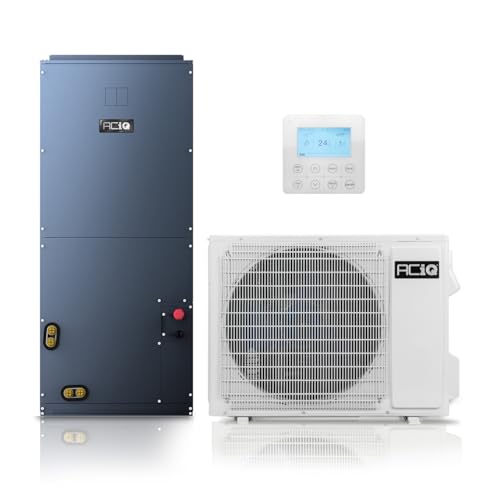
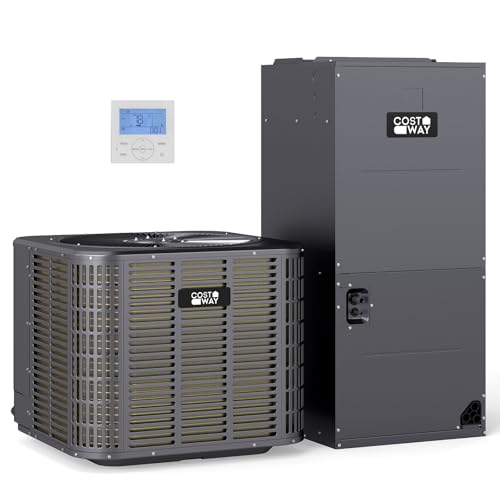
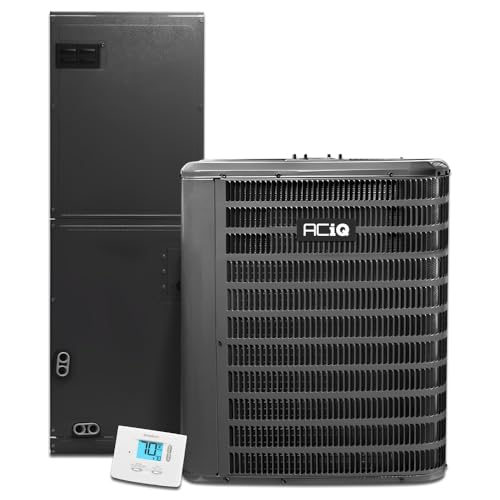
The air handler is the indoor unit that moves conditioned air through your home's ductwork. It contains the blower fan, the evaporator coil, and often auxiliary components such as a filter rack and condensate drain pan. When paired with an outdoor condenser, the two units form a split system.
Matching the air handler to the condenser is not optional. An undersized air handler restricts airflow, which causes the evaporator coil to freeze and reduces cooling capacity. An oversized air handler pushes too much air across the coil, which reduces dehumidification and can make the space feel clammy even when the thermostat reads the target temperature.
Manufacturers publish matched system combinations, and installing an unmatched pair can void warranties and reduce efficiency ratings. If you are exploring how air handlers integrate with heat pumps, the heat pump air handling unit guide explains the shared components and differences.
For homes that need ductwork improvements alongside a new system, reviewing hvac ductwork installation practices helps you ask the right questions during the quoting process.
Sizing: Is 3 Ton Right for Your Home?
A common rule of thumb places a 3 ton AC unit in homes between 1,500 and 2,000 square feet. That range is a starting point, not a final answer. Climate zone, ceiling height, insulation quality, window area and orientation, occupant count, and appliance heat gain all shift the actual load.
Professional sizing relies on a Manual J load calculation, which accounts for these variables room by room. Skipping this step is one of the most common installation mistakes. An oversized system short-cycles, which wears the compressor and leaves humidity high. An undersized system runs continuously and struggles on peak days.
If your home falls near the boundary of the 3 ton range, comparing related system sizes can help you frame the decision. Guides on 3 ton central air conditioning units and 4 ton AC unit configurations show how capacity changes comfort outcomes in larger floor plans. Homeowners with smaller footprints may find a 2 ton system more appropriate, while larger homes often step up to a 4 ton or 5 ton system.
Efficiency Tiers: Entry-Level, Mid-Range, and Premium
Three-ton systems are available across the full spectrum of efficiency tiers. Rather than focusing on headline numbers alone, consider how each tier behaves in daily operation.
- Entry-level tier: Single-stage compressors and basic air handlers. These systems run at full capacity or off, which is simple and durable. They suit mild climates and homeowners who prioritize straightforward mechanics.
- Mid-range tier: Two-stage compressors paired with variable-speed or multi-speed air handlers. These systems run at a lower capacity most of the time, improving humidity control and reducing temperature swings. They are a balanced choice for most households.
- Premium tier: Fully variable-speed inverter systems with communicating air handlers. These deliver the smoothest comfort, quietest operation, and best part-load efficiency. They are a long-term investment suited to homeowners who plan to stay in the home for many years.
Efficiency ratings such as SEER2 and EER2 describe performance under standardized conditions. A higher-rated system only delivers its rated efficiency when the air handler, coil, and ductwork are matched and the installation follows manufacturer specifications. Reviewing what the SEER rating means helps you interpret these figures correctly.
For homeowners focused on long-term operating performance, the energy efficient HVAC systems overview covers how equipment tiers, duct sealing, and thermostat strategy combine to reduce consumption.
Air Handler Options: Single-Stage, Multi-Speed, and Variable-Speed
The air handler's blower motor determines how air moves through your home. The three main configurations behave very differently.
Single-stage air handlers run the blower at one fixed speed. They are the most common pairing in entry-level installations. They are reliable and simple, but airflow is less adaptable to different operating conditions.
Multi-speed air handlers offer a small number of preset speeds, typically for cooling, fan-only, and sometimes dehumidification modes. They improve comfort over single-stage models without the complexity of full modulation.
Variable-speed air handlers adjust blower speed continuously. This allows the system to run longer at lower airflow, which improves dehumidification, reduces noise, and smooths temperature distribution. Pairing a variable-speed air handler with a two-stage or inverter condenser is the configuration most often recommended for premium comfort.
Whichever configuration you choose, the air handler should be a manufacturer-matched component for the condenser. Mismatched equipment is a frequent cause of comfort complaints and premature component wear.
Installation Factors That Affect Performance
Equipment selection is only half the equation. Installation quality determines whether a 3 ton system reaches its rated efficiency and expected lifespan.
Key installation considerations include:
- Load calculation: A room-by-room Manual J calculation confirms the 3 ton size is appropriate.
- Ductwork assessment: Duct size, sealing, and insulation must support the system's airflow requirements. Undersized or leaky ducts undermine even premium equipment.
- Refrigerant line set: Line length and routing affect charge and performance. Incorrect line sizing is a common installation mistake.
- Electrical service: The panel must support the condenser and air handler's electrical draw. Reviewing your home electrical panel before installation avoids surprises.
- Placement: Outdoor condenser clearance, sun exposure, and indoor air handler location all influence efficiency and noise.
Working with a qualified contractor matters. The process for choosing an HVAC contractor should include verifying licensing, insurance, and experience with the specific equipment brand. Homeowners comparing providers can also research heating and cooling contractors in their area to shortlist reputable options.
Maintenance and Longevity
A properly installed 3 ton AC and air handler system can last 12 to 20 years with consistent maintenance. The most impactful habits are simple: replace or clean filters on schedule, keep the outdoor condenser clear of debris, and schedule an annual professional inspection.
Cleaning the condenser coils and evaporator coils protects efficiency and prevents strain on the compressor. A seasonal AC checklist helps homeowners stay ahead of small issues before they become service calls.
When issues do arise, early diagnosis matters. Persistent warm airflow, unusual noises, or rising humidity indoors are signals to investigate. The guide to AC not cooling explains common causes and when to call a technician. Homeowners noticing the fan running without cold air can review the my AC fan is running but no cold air troubleshooting path for a structured diagnostic approach.
Common Questions About 3 Ton Systems
Does a 3 ton system always cool 1,500 to 2,000 square feet? Not always. The range is a general guide. A well-insulated home in a mild climate may cool a larger area with 3 tons, while a poorly insulated home in a hot, humid climate may need more capacity for the same square footage.
Can I replace only the condenser and keep my old air handler? In some cases a matched coil can be installed in an existing air handler, but full-system replacement is usually recommended for efficiency and warranty reasons. A contractor can assess whether a partial replacement is viable.
How much does installation complexity vary? Homes with existing ductwork and adequate electrical service require less work than homes needing new ducts or panel upgrades. Requesting multiple quotes helps you understand the scope for your specific house.
Is a heat pump version available? Yes. A 3 ton heat pump system uses the same indoor air handler with a reversing valve outdoor unit, providing both heating and cooling. The heat pump air handling unit guide explains the shared components.
Making Your Final Decision
Choosing a 3 ton AC unit and air handler comes down to four decisions: confirming the size through a load calculation, selecting an efficiency tier that fits your climate and comfort expectations, pairing a matched air handler with the right blower configuration, and hiring an installer who follows manufacturer specifications.
Homeowners who take time to understand these factors consistently report better comfort and fewer service issues. If you are still comparing system sizes, the guides on 3 ton central air conditioning units and 4 ton AC unit with heat pump configurations provide additional context for larger homes. For homes with existing furnaces, adding air conditioning to a furnace is another path worth reviewing.
Once you have narrowed your options, the product recommendations below can help you compare specific models within each tier.
Ready to compare models? The recommended products section below highlights 3 ton AC units and air handlers across entry-level, mid-range, and premium tiers. Use the affiliate links to view current availability and detailed specifications.