
AC Compressor Motor Replacement: Complete Guide
Understand the symptoms of a failing compressor motor, learn how technicians test and diagnose it, compare motor tiers, and decide whether to repair or replace your air conditioning system.
What You'll Learn
Why this guide matters: The compressor motor is the heart of your air conditioning system. When it fails, cooling stops entirely. Understanding the replacement process helps you ask the right questions, evaluate technician recommendations, and make a confident, informed decision before you commit to any repair or replacement path.
What the Compressor Motor Does
The compressor motor drives the compressor, which circulates refrigerant through the sealed system. It draws low-pressure, low-temperature refrigerant gas from the evaporator coil, compresses it into a high-pressure, high-temperature gas, and pushes it toward the condenser coil. Without a functioning compressor motor, the refrigerant never circulates, and the system cannot transfer heat from indoors to outdoors.
In a typical residential split system, the compressor motor sits inside the outdoor condenser unit. It is a hermetically sealed component, meaning it is enclosed together with the compressor pump and runs in a refrigerant and oil environment. This design improves reliability but makes internal motor repair impractical. When the motor fails, the standard service approach is full compressor motor replacement.
The motor operates on either single-phase or three-phase power depending on system size. Residential units generally use single-phase power with a run capacitor and a start assist circuit. Commercial systems often use three-phase motors, which have different diagnostic procedures. Understanding these basics helps you follow a technician's explanation and evaluate whether their diagnosis makes sense.
Warning Signs Your Compressor Motor Is Failing
Compressor motor failure rarely happens without warning. Recognizing the early signals lets you schedule service before a complete breakdown leaves your home without cooling during peak heat. The following symptoms are the most common indicators that the compressor motor needs attention.
- No cooling with the outdoor fan running. If the fan spins but the air from your vents is warm, the compressor may not be starting. This is one of the most common early indicators. You can read more about this scenario in our guide on what to do when the AC compressor fan is running but not cooling.
- Humming or buzzing from the outdoor unit. A motor that hums without starting is often stuck or has a failed capacitor. If the unit hums briefly and then trips the breaker, the motor windings may be shorted.
- Frequent breaker trips. A failing motor draws excessive current. If your outdoor unit repeatedly trips the circuit breaker, stop resetting it and call a technician. Continued resets can damage the motor further and create a fire risk.
- Loud grinding, clicking, or screeching noises. Mechanical wear in the motor bearings produces grinding or screeching. Clicking can indicate a failing start relay or capacitor rather than the motor itself, so a proper diagnosis is essential.
- Overheating and thermal shutdown. A motor that runs hot and shuts down after a short period may have worn bearings or failing internal insulation. It may restart after cooling down, only to repeat the cycle.
- Visible oil or burn marks. Refrigerant oil leaking near the compressor terminals, or scorched wiring at the contactor, suggests internal motor damage. This requires prompt professional attention.
Safety note: Never open the electrical panel of the outdoor unit while power is connected. Capacitors hold a dangerous charge even after power is disconnected. Compressor motor diagnosis and replacement should be performed by a licensed HVAC technician with proper tools and training.
How Technicians Diagnose Compressor Motor Failure
A proper diagnosis rules out simpler causes before condemning the compressor motor. Many "compressor failures" turn out to be failed capacitors, bad contactors, loose wiring, or low refrigerant charge. A skilled technician follows a systematic process to isolate the true cause.
Step-by-Step Diagnostic Process
- Visual inspection. Check for burnt wiring, oil traces at terminals, damaged insulation, and obvious physical damage to the outdoor unit.
- Electrical supply check. Verify that the disconnect, breaker, and contactor are supplying correct voltage to the compressor circuit. A loose connection can mimic motor failure.
- Capacitor test. Test the run capacitor and start capacitor with a capacitance meter. A weak or failed capacitor is a common reason the compressor will not start.
- Winding resistance test. Disconnect power and measure resistance across the compressor terminals (Common, Start, Run). Unequal or open readings indicate internal winding failure.
- Insulation resistance test. Use a megohmmeter to check for shorts between windings and the compressor shell. Low insulation resistance confirms internal motor damage.
- Start component inspection. Check the start relay, potential relay, and start assist circuit for proper operation.
- Refrigerant pressure check. Verify system pressures to rule out low charge or restrictions that can cause the compressor to overheat and trip on internal overload.
- Locked rotor test. If the motor hums but does not start and electrical components check out, the compressor may be mechanically seized. This confirms the need for replacement.
Once the diagnosis confirms motor failure, the technician will recommend a replacement plan. This is the point where understanding motor tiers and the repair-versus-replace decision becomes valuable for the homeowner.
Compressor Motor Tiers Explained
Replacement compressor motors are not all the same. They vary in construction quality, efficiency, and intended duty cycle. Understanding the tiers helps you evaluate a technician's recommendation and choose a motor that matches your system and usage. This guide uses three market tiers to compare options without referencing any monetary figures.
| Tier | Best For | Key Characteristics |
|---|---|---|
| Entry-level tier | Older systems, limited-duty use, and situations where a full system replacement is planned in the near future | Standard construction, basic bearing quality, suitable for moderate climates and average run times |
| Mid-tier | Most residential replacements where the system is expected to remain in service for several more years | Improved bearing materials, better internal insulation, balanced efficiency, and dependable duty cycle for typical household use |
| Premium tier | High-usage homes, hot climates, and systems paired with variable-speed or two-stage compressors | Heavy-duty construction, reinforced bearings, advanced motor windings, and optimized efficiency for demanding duty cycles |
When comparing options, consider the expected lifespan of the rest of the system. A premium-tier motor in a system that is already near the end of its service life is rarely a sound long-term investment. Conversely, an entry-level motor in a high-usage home may lead to another failure sooner than expected. The best choice is the tier that matches the system's remaining life and your cooling demands.
Motor selection should also account for electrical compatibility. The replacement motor must match the system's voltage, phase, and capacitor requirements. A technician should verify these specifications against the original equipment or manufacturer data before ordering parts.
What the Replacement Process Involves
Compressor motor replacement is not a simple part swap. Because the motor is part of the sealed refrigerant circuit, the process involves refrigerant recovery, system opening, brazing, evacuation, and recharge. Understanding these steps helps you set realistic expectations and recognize when a technician is following proper procedure.
- Power down and verify. The technician disconnects power at the breaker and verifies zero voltage at the unit.
- Recover refrigerant. All refrigerant is recovered into a recovery cylinder using EPA-compliant equipment. It is illegal to vent refrigerant to the atmosphere.
- Disconnect electrical and refrigerant lines. The technician disconnects the compressor terminals and unbrazes the suction and discharge lines.
- Remove the failed compressor. The compressor is unbolted and removed from the base pan. Mounting grommets and hardware are inspected and often replaced.
- Install the new compressor. The replacement is positioned, bolted, and the refrigerant lines are brazed back into place with nitrogen purge to prevent oxidation.
- Install new electrical components. A new run capacitor, start components if applicable, and terminal connections are installed to match the new motor's requirements.
- Evacuate the system. A vacuum pump removes air and moisture to a deep vacuum. Proper evacuation is critical for motor longevity.
- Recharge refrigerant. The system is charged to the manufacturer-specified weight or subcooling target.
- Test and verify. The technician runs the system, checks pressures, temperatures, amp draw, and confirms proper cooling performance.
Important: Proper brazing, nitrogen purge, and deep vacuum evacuation are the three steps most often rushed. Each protects the new compressor motor from premature failure. A professional-grade installation includes all three, and a good technician will document them on the service ticket.
Repair vs Replace: How to Decide
Compressor motor replacement is a significant service. For many systems it is the right choice; for others, putting the same investment into a new, more efficient system is the better path. The decision depends on system age, repair history, efficiency, and your long-term plans for the home.
Factors That Favor Replacement of the Motor
- The system is relatively young and in otherwise good condition.
- Repairs have been infrequent and the rest of the system is healthy.
- The outdoor unit and indoor coil are a matched, efficient pair.
- You plan to stay in the home for several more years.
- The failure was caused by a specific, correctable issue such as a failed capacitor.
Factors That Favor Replacing the Whole System
- The system is near the end of its expected lifespan.
- Efficiency is low compared with current standards, making the system expensive to operate over time.
- The system uses an older refrigerant that is being phased out.
- Multiple components are showing wear, suggesting more repairs are likely.
- The indoor coil is mismatched or in poor condition.
A useful rule of thumb is the "age plus repair" comparison. If the age of the system in years plus the tier of the repair suggests the system is at or beyond its midpoint, replacement may be the more sensible long-term investment. Always ask the technician to explain the reasoning behind their recommendation in plain terms, and get a second opinion for any major repair decision.
For homeowners researching system-level options, our guide to AC compressor fundamentals and our overview of compressor repair considerations provide additional context on what to expect during the decision process.
Preventing Premature Compressor Motor Failure
Not every failure is preventable, but many are influenced by maintenance habits. The following practices extend motor life and reduce the chance of a breakdown at the worst possible time.
- Keep the outdoor coil clean. A restricted condenser coil raises head pressure and forces the compressor to work harder. Rinse the coil seasonally and remove debris from around the unit.
- Change air filters regularly. Restricted airflow reduces evaporator performance and can cause the compressor to overheat. Follow the filter manufacturer's replacement interval.
- Schedule professional maintenance. A spring tune-up checks capacitor health, amp draw, refrigerant charge, and electrical connections, catching small issues before they become motor failures.
- Fix capacitor and contactor issues promptly. A weak run capacitor is one of the most common causes of compressor motor failure. Replacing it early is a small service that protects a large component.
- Maintain proper voltage. Loose connections, undersized wiring, and utility voltage problems stress the motor. An electrician can evaluate the circuit if voltage issues are suspected.
- Do not short-cycle the system. Rapid on-off cycling stresses the motor and start components. If your system cycles frequently, have it diagnosed.
Homeowners who want a broader maintenance routine can explore our seasonal checklists and filter guidance to build a consistent schedule that protects the entire system, not just the compressor motor.
Ready to Compare Replacement Options?
Browse recommended air conditioning products and accessories to support your repair or replacement decision.
Explore OptionsFrequently Asked Questions
How do I know if my AC compressor motor is bad?
Common signs include the compressor not starting, humming without cooling, tripping the breaker, overheating, loud grinding or clicking noises, and warm air from the vents while the outdoor fan runs. A multimeter test of winding resistance, an insulation resistance check, and a capacitor test confirm the diagnosis.
Can I replace an AC compressor motor myself?
Replacing a compressor motor involves refrigerant recovery, brazing, vacuum evacuation, and electrical work. It requires EPA Section 608 certification and specialized tools. Most homeowners should hire a licensed HVAC technician for safety, warranty, and legal compliance.
Is it better to replace the compressor motor or the whole AC unit?
It depends on system age, efficiency, and repair history. If the unit is young and otherwise healthy, motor replacement is often worthwhile. If the system is near the end of its lifespan and efficiency is low, a full replacement may be the better long-term decision.
How long does a replacement compressor motor last?
A properly installed replacement motor in a well-maintained system typically lasts many years, comparable to the original equipment. Longevity depends on correct installation, proper refrigerant charge, clean coils, and regular maintenance.
Does a new compressor motor require a new capacitor?
In most cases, yes. The run capacitor should be matched to the new motor's specifications, and start components should be inspected and replaced if worn. Installing a new motor with a weak or incorrect capacitor increases the risk of premature failure.
Bottom line: AC compressor motor replacement is a substantial service that deserves careful consideration. Diagnose accurately, compare motor tiers against your system's remaining life, and weigh repair versus replacement honestly. With the right information and a qualified technician, you can restore reliable cooling and protect your investment for years to come.
Recommended Compressor Motors & AC Replacement Options
⚠️ AFFILIATE DISCLOSURE: This website contains affiliate links. As an Amazon Associate, we earn from qualifying purchases. If you make a purchase through these links, we may receive a small commission at no additional cost to you. Read our full affiliate policy.

YATAI CBB60 Capacitor 80uF 300V AC, 2-Wire Capacitor, 50/60Hz, 1.73 x 3.74 in Cylinder, for Blower Motor, Air Compressor, AC Compressor, and Motor Replacement
Check price on Amazon
VEVOR 2HP SPL Air Compressor Electric Motor 115/230V 20/10 Amps 56 Frame | 3450RPM, 5/8" Keyed Shaft, 1.88" Shaft Length, Single Phase, CCW/CW (Factory Setting is CCW)
Check price on Amazon
upmbzie 80uF 300V AC 2-Wire Capacitor 50/60Hz for Blower Motor Air Compressor AC Compressor and Motor Replacement
Check price on Amazon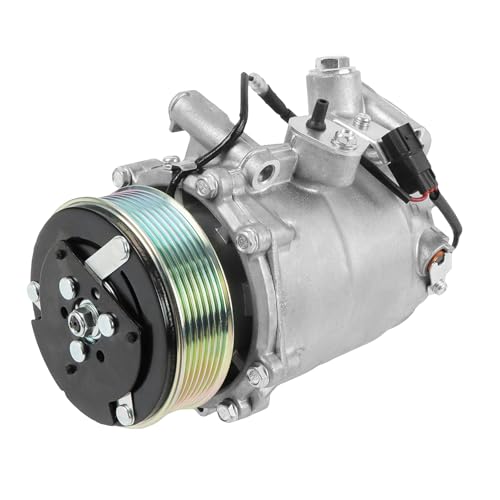
Autodevil AC Compressor for Honda CR-V 2.4L 2007-2011, RDX 2.3L 07-12, A/C with Clutch Replacement for 4920AC 38810RWCA03 38810RX0A01
Check price on Amazon
ECCPP AC Compressor for Ford for F-150 for F-250 for F-350 4.9L 1990-1995 | for Ford F-53 Motorhome Chassis 1988-2025 Fast Cooling AC Compressor with Clutch
Check price on Amazon
AC Compressor Clutch Repair Kit Pulley Coil Replacement for MINI Cooper 2008-2013 4 Cyl 1.6L SD6V12 4.68" Pulley
Check price on Amazon
VEVOR 3/4HP Electric Motor 1725 RPM, AC 115V/230V, 56 Frame, Air Compressor Motor Single Phase, 5/8" Keyed Shaft, CW/CCW Rotation for Agricultural Machinery and General Equipment
Check price on Amazon