AC Drain Pan in Attic Full of Water: Causes, Risks & Fixes
Discover why your attic AC drain pan is overflowing, how to stop the leak, and the steps that protect your home from water damage and mold.
Why this matters: An attic air conditioner sits above your living space, so a full drain pan is not a minor nuisance. Water can soak insulation, stain ceilings, and reach electrical components within hours. Understanding the root cause helps you act quickly and prevent repeat problems.
How an Attic AC Drain Pan Works
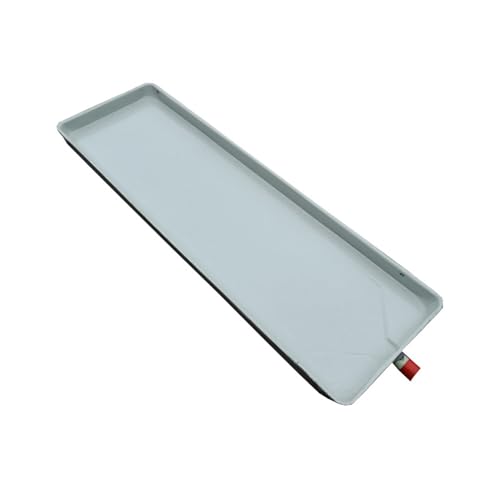
As your air conditioner cools the air, moisture from the indoor air condenses on the cold evaporator coil. That water drips into a drain pan positioned beneath the coil. From there, it should flow through a condensate drain line to a safe discharge point outside the home or into a plumbing drain.
In many attic installations, a condensate pump is used because gravity drainage may not be possible. The pump lifts water through a line to an exterior location. When any part of this path fails, water backs up into the pan and eventually overflows. If you notice your air handler leaking water, the drain pan is one of the first components to inspect.
Common Causes of a Full Attic Drain Pan
1. Clogged Condensate Drain Line
Dust, dirt, algae, and biofilm collect inside the drain line over time. This is the most frequent cause of standing water in an AC drain pan. When the line narrows or blocks completely, water has nowhere to go and rises in the pan. Regular flushing with a vinegar-water solution helps prevent this buildup.
2. Failed Condensate Pump
Attic systems often rely on a pump to move water against gravity. A pump that loses power, clogs, or burns out will stop moving water, causing the pan to fill. Listen for unusual pump noises or check whether the pump runs when the float rises.
3. Frozen Evaporator Coil
Restricted airflow or low refrigerant can freeze the evaporator coil. When the ice melts rapidly, the volume of water can overwhelm the drain pan. If you notice ice on the coil or lines, turn the system off and investigate airflow or refrigerant issues before running it again.
4. Improperly Sloped or Damaged Drain Pan
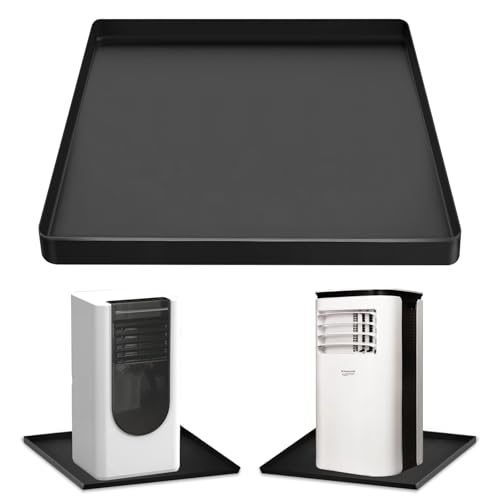
Drain pans must slope slightly toward the drain fitting. If the pan is level, warped, cracked, or corroded, water pools in low spots and cannot exit. Older metal pans are especially prone to rust-through. A drip pan replacement may be necessary when damage is visible.
5. Dirty Air Filter
A clogged filter reduces airflow across the coil. The coil gets colder than intended, frost forms, and melting ice produces excess condensation. Replacing a dirty filter is a simple preventive step that supports efficient operation. Learn how in our AC unit filter guide.
6. Incorrect Installation or Missing Safety Switch
If the drain pan is undersized or the drain fitting is poorly positioned, overflow can occur even with normal condensation. A float switch installed in the pan or on the drain line can shut the system down before water spills. This is a worthwhile upgrade for any attic installation.
Signs You Should Not Ignore
- Water stains or sagging drywall on ceilings below the attic
- A musty or damp odor coming from vents or the attic access
- Visible standing water in the drain pan
- AC shutting off unexpectedly (possible float switch trip)
- Water dripping from the outdoor unit or near the foundation
- Ice forming on the indoor coil or refrigerant lines
These signals often appear alongside other cooling problems, such as an AC that is on but the house is not cooling. Addressing the drain issue early prevents secondary damage.
Step-by-Step Fixes
- Turn off the system at the thermostat and the breaker to prevent electrical hazards.
- Inspect the drain pan for cracks, rust, or debris. Remove standing water with a wet/dry vacuum if safe to do so.
- Flush the drain line using a mixture of water and white vinegar. A wet/dry vacuum applied to the exterior drain opening can help clear stubborn clogs.
- Check the condensate pump by pouring water into the pan or pump reservoir. If it does not activate, the pump may need replacement.
- Replace the air filter if it is visibly dirty. A clean filter improves airflow and reduces condensation problems.
- Verify the pan slope and confirm the drain fitting is clear. If the pan is damaged, plan for replacement.
- Test the float switch if one is installed. It should shut the system off when water reaches the trigger level.
- Schedule professional service if you suspect refrigerant issues, a frozen coil, or persistent overflow after basic fixes.
For broader cooling issues, our AC not cooling troubleshooting guide covers related diagnostics.
Prevention Checklist
| Task | Frequency | Why It Helps |
|---|---|---|
| Flush condensate drain line | Every 3–6 months | Prevents algae and debris clogs |
| Replace air filter | Every 1–3 months | Maintains airflow and reduces coil icing |
| Inspect drain pan | Seasonally | Catches cracks and corrosion early |
| Test condensate pump | Seasonally | Confirms reliable water removal |
| Professional maintenance | Annually | Identifies issues before damage occurs |
When to Call a Professional
Some repairs require licensed expertise. Call an HVAC technician if you find refrigerant leaks, a frozen coil that returns after thawing, electrical faults, persistent clogs despite flushing, or a drain pan that needs replacement. If you are unsure about the scope of the problem, a professional inspection provides peace of mind and protects your warranty. You can also use our guide to find AC contractors in your area.
Homeowners dealing with repeated water issues may also want to review their overall system health. Related symptoms like AC not blowing cold air in the house often share root causes with drainage problems.
Related Guides
Frequently Asked Questions
Why is my AC drain pan in the attic full of water?
The most common causes are a clogged condensate drain line, a failed condensate pump, a frozen evaporator coil, an improperly installed or damaged drain pan, or a dirty air filter that restricts airflow and causes excess condensation.
Is a full AC drain pan in the attic dangerous?
Yes. Overflowing water can damage ceilings, insulation, drywall, and electrical components. It can also promote mold growth and weaken structural materials. Address it promptly to avoid costly repairs.
How do I stop my attic AC drain pan from overflowing?
Flush the condensate drain line, replace dirty filters, check the condensate pump, ensure the pan is properly sloped toward the drain, and schedule regular maintenance. Installing a float switch adds automatic protection.
Can I fix an overflowing AC drain pan myself?
Basic fixes like flushing the drain line, changing the filter, and clearing visible blockages are DIY-friendly. However, electrical issues, refrigerant problems, or pan replacement should be handled by a licensed HVAC technician.