
AC Is Blowing Cool Air But Not Cooling the House? Here's the Fix
Is your air conditioner running constantly yet your home stays stubbornly warm? You're not alone. This frustrating problem has several common—and often easily fixable—causes. Learn how to diagnose the issue, restore your cooling, and know when it's time to call a professional.
START DIAGNOSING NOWDid You Know? A dirty air filter is the single most common reason for an AC that runs but doesn't cool the house. It can reduce airflow by up to 60%, causing the system to work harder while delivering less comfort. Always check this first.
Is Your AC Blowing Cool, Not Cold, Air?
There's a distinct difference between an AC that blows warm air and one that blows cool air but fails to cool the house. If you hold your hand up to a vent and feel cool air, the thermostat is calling for cooling, and the outdoor unit is humming, your system is technically running. But if the temperature gauge on the wall hasn't budged in hours, you're dealing with a capacity or delivery problem, not a complete failure. This guide walks you through a step-by-step diagnostic process, starting with the simplest and cheapest solutions.
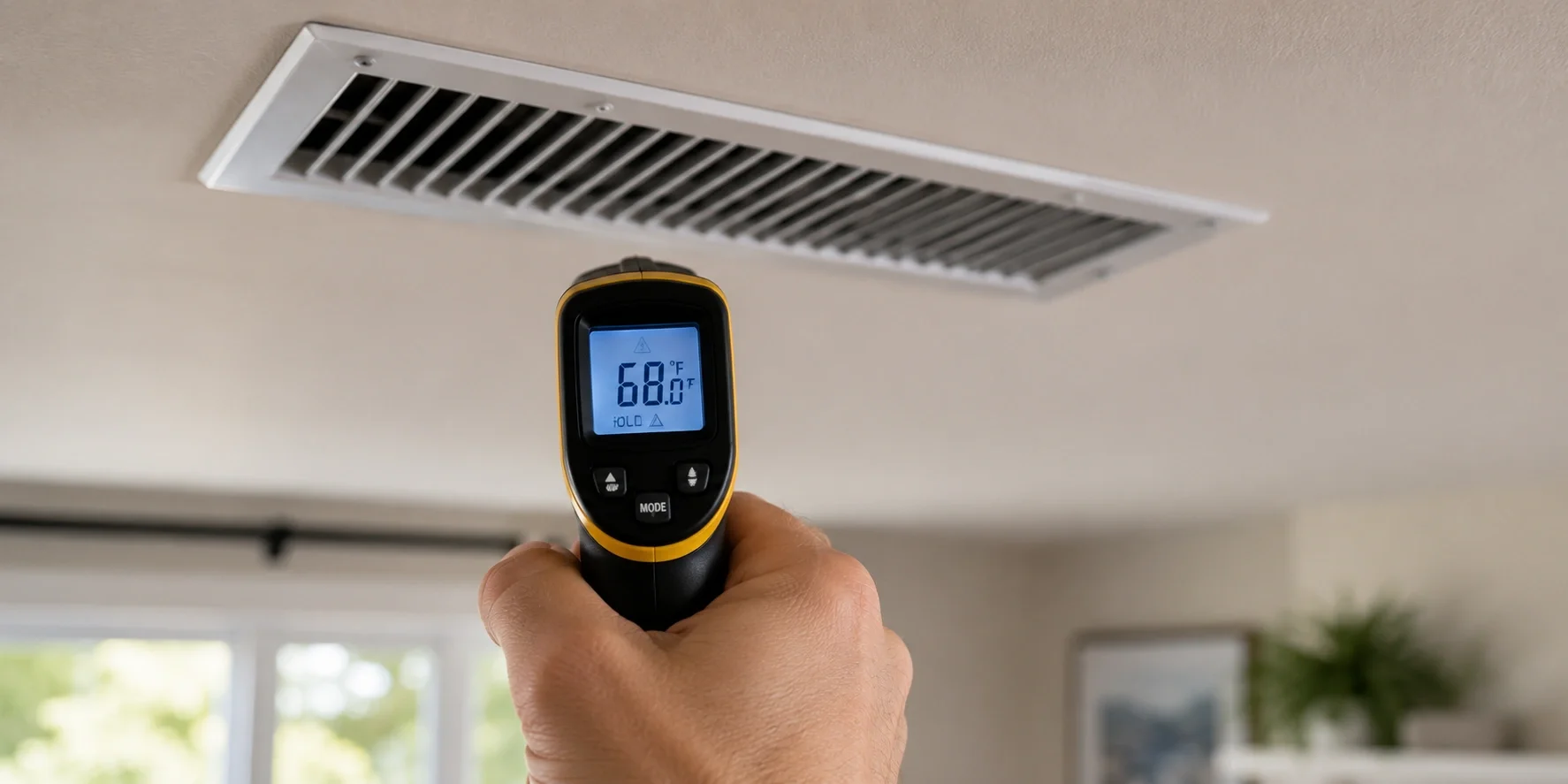
10 Reasons Your AC Isn't Cooling the House (And How to Fix Them)
Dirty or Clogged Air Filter
The most overlooked cause. A filter caked with dust and pet dander starves your system of airflow. The evaporator coil gets too cold and literally freezes into a block of ice, insulating the cold air from your home. Learn how to clean or replace your AC filter. You should also check your filter monthly, especially during peak summer.
Frozen Evaporator Coil
If you see ice on the indoor unit or the copper refrigerant lines, turn the AC off immediately and switch the fan to "ON" to defrost it. This can take several hours. A frozen coil is often a symptom of a dirty filter, low refrigerant, or a failing blower motor. Never attempt to chip the ice away. Read our guide on AC frozen coils solution for a complete walkthrough.
Blocked or Closed Supply Vents
Many homeowners close vents in unused rooms, thinking it saves energy. In reality, this increases static pressure in the ductwork, reducing overall system airflow and efficiency. Ensure at least 80% of your supply vents are fully open and not blocked by rugs or furniture.
Leaky or Disconnected Ductwork
In homes with central air, up to 20–30% of conditioned air can escape through leaky ducts in the attic, basement, or crawlspace. The cool air never reaches your living spaces. Inspect visible ductwork for obvious gaps or collapsed sections. For a thorough fix, consult our guide to sealing air ducts for efficiency.
Dirty Outdoor Condenser Coils
The outdoor unit's job is to expel heat. If its coils are smothered by dirt, grass clippings, or pet hair, it can't reject heat effectively. The system runs constantly but can't cool your home. Gently rinse the coils with a garden hose (not a pressure washer) after turning the disconnect switch off. See our condenser coil cleaning guide for detailed steps.
Undersized Air Conditioner
If your AC has always struggled on hot days and runs for 15+ hours continuously, it may simply be too small for your home's cooling load. An undersized AC will cool the air slightly but can never keep up with the heat gain. The only permanent solution is a properly sized unit, determined by a Manual J load calculation.
Thermostat Malfunction or Misplacement
A thermostat exposed to direct sunlight, a heat-generating appliance, or a cold draft can give false readings. It might shut the AC off prematurely. Also, ensure the fan setting is on "AUTO" rather than "ON," which prevents the fan from blowing warm, humid air during off cycles.
Low Refrigerant Due to a Leak
Unlike car fuel, refrigerant does not get "used up." If your system is low, there is a leak. Low refrigerant reduces the system's cooling capacity, leading to the "cool but not cold" air symptom. This requires an EPA-certified technician to find and repair the leak before recharging the system. Learn more about refrigerant leak repair costs and processes.
Heat-Generating Appliances & Poor Insulation
Your AC might be working perfectly but fighting a losing battle against heat from an old refrigerator, a hot attic with insufficient insulation, or large sun-facing windows without proper curtains. Address these home efficiency issues to let your AC do its job. Sometimes, the fix is as simple as learning how to use ceiling fans with your AC to improve circulation.
Failing Compressor or Blower Motor
If the compressor is old and worn, it may run but not pump refrigerant with enough force to cool your home. Similarly, a failing blower motor may not spin the fan at the correct speed. These are major repairs. If you've ruled out the other 9 issues, you likely need a professional. Compare the cost of compressor replacement versus a new system.
Safety First: When to Call an HVAC Professional
While many fixes are DIY-friendly, stop and call a licensed technician if: you suspect a refrigerant leak, find a failed compressor, need to access electrical components you're not trained for, or if your home has not cooled down within 24 hours after trying these steps. Use our guide to find a qualified HVAC contractor near you.
Prevent This Problem Next Year
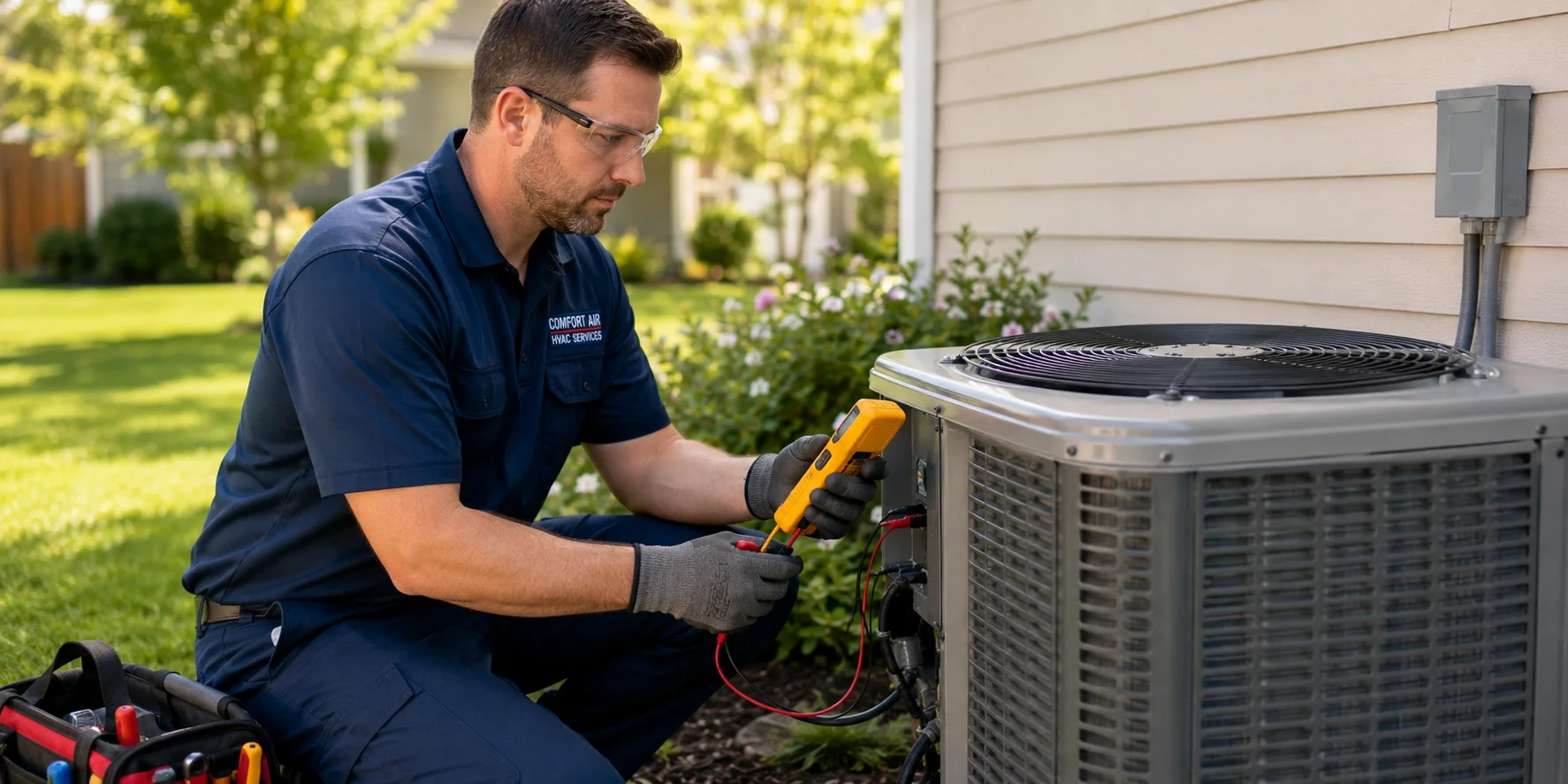
The best way to avoid the dreaded "AC running but house is hot" scenario is preventative maintenance. Schedule a professional tune-up annually in the spring. A technician will check refrigerant levels, clean coils, inspect electrical components, and catch minor issues before they become major breakdowns. In between visits, follow our seasonal AC maintenance checklist to keep your system in peak condition. Understanding your SEER efficiency rating can also help you decide if an upgrade is more economical than expensive repairs on an older, inefficient unit.
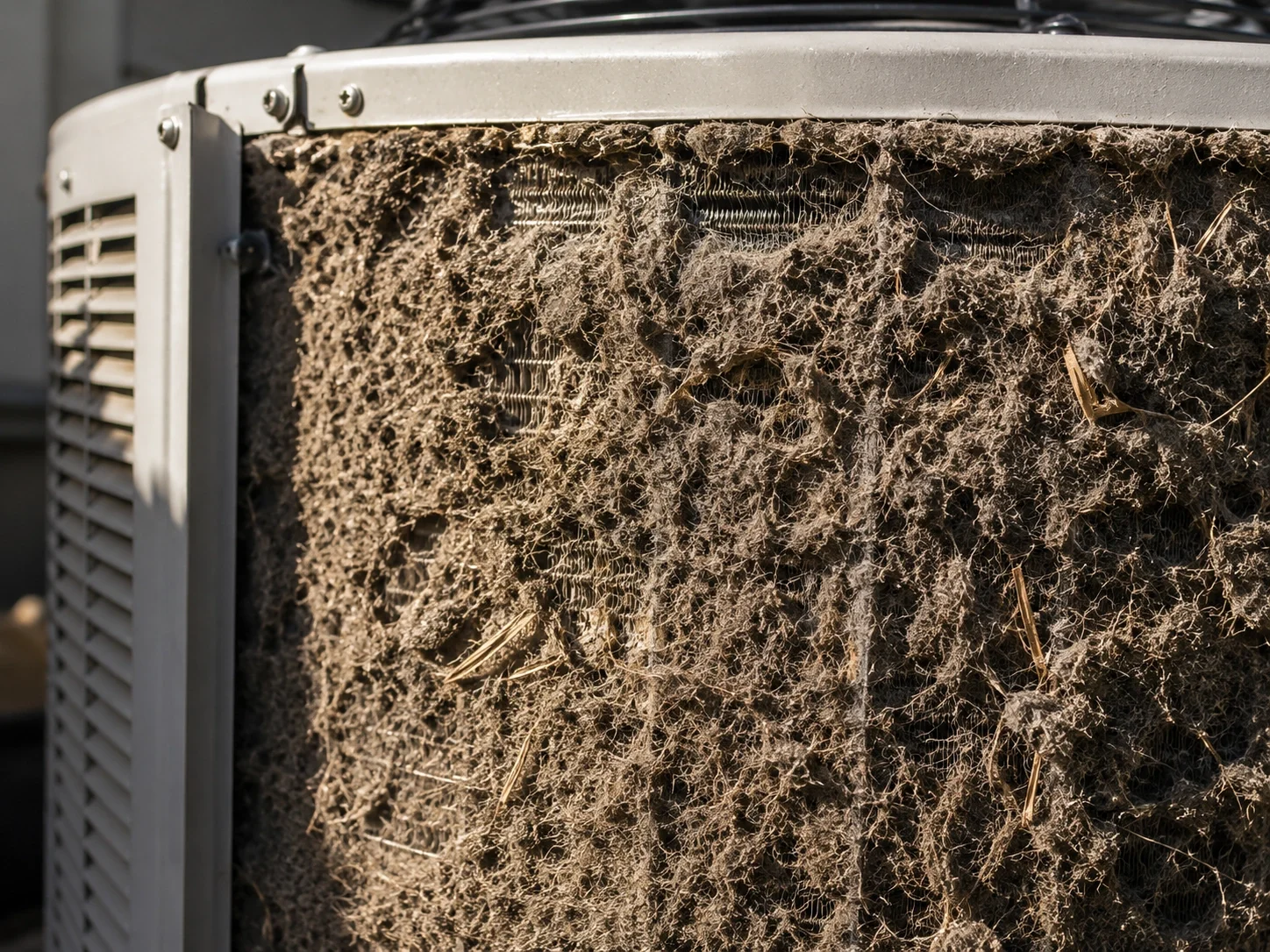
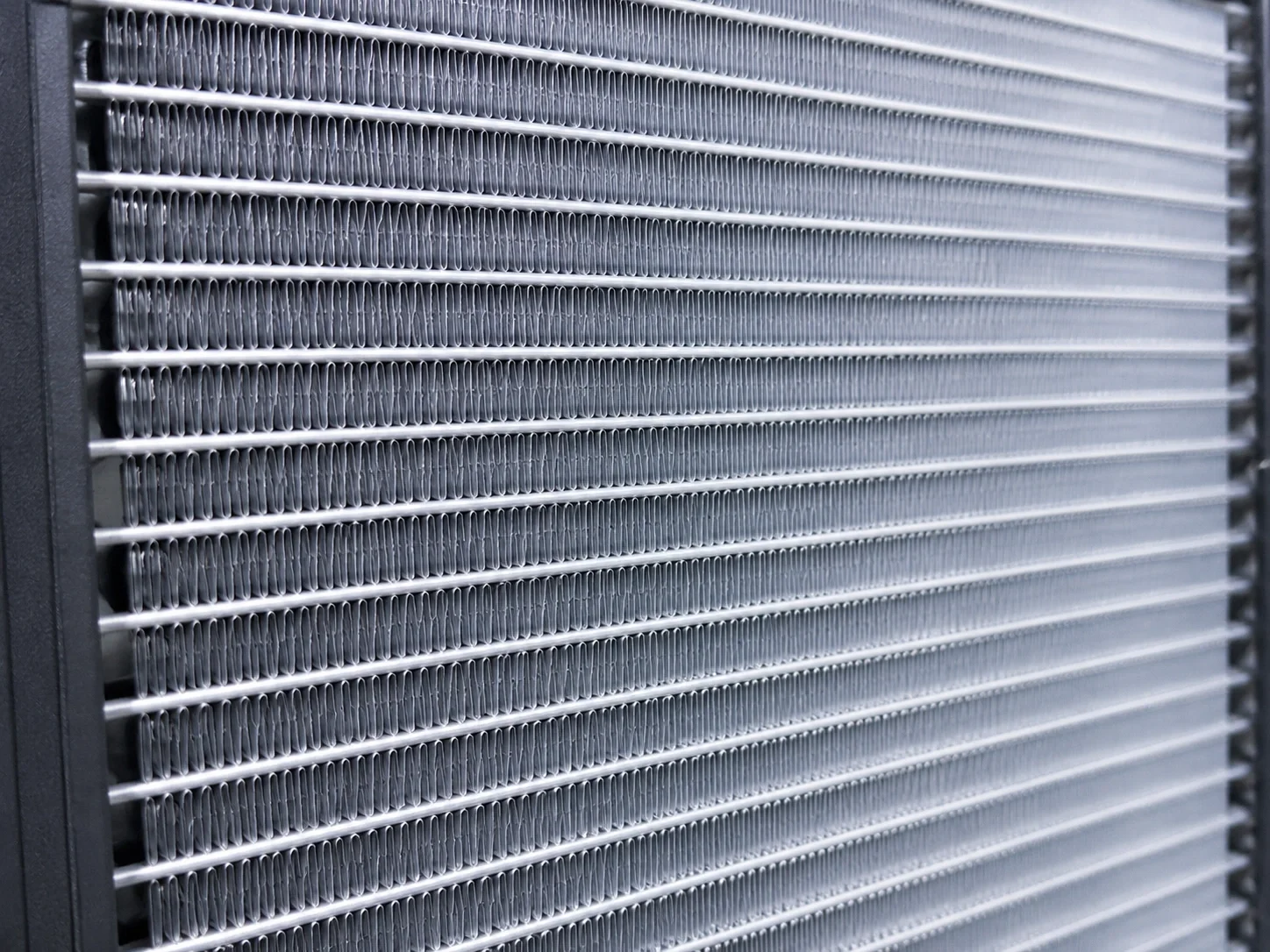
A dirty coil (left) drastically reduces cooling performance. Annual cleaning restores efficiency (right).