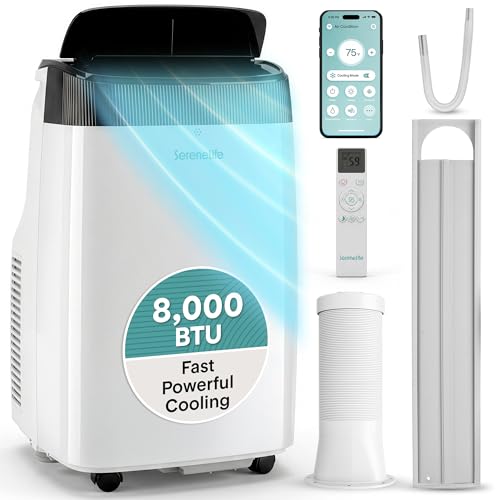
AC Unit Not Keeping Up With Thermostat: Causes & Fixes
If your air conditioner runs constantly but the house never reaches the set temperature, the issue usually falls into a handful of predictable categories. This guide walks you through the causes, the checks you can do yourself, and the point at which a licensed technician should take over.
Diagnose the ProblemWhy this matters: An AC that cannot keep up with the thermostat does more than leave you uncomfortable. It runs longer cycles, strains the compressor, and can quietly push energy use higher month after month. Catching the cause early protects both comfort and the lifespan of the equipment.
What "Not Keeping Up With the Thermostat" Actually Means
A thermostat is a switch with a target. When the room temperature rises above the set point, it calls for cooling; when the target is reached, it stops. "Not keeping up" describes a gap between that target and reality: the system runs, air may even feel cool at the vent, but the room temperature plateaus short of the set point. In some cases the unit never satisfies the thermostat at all and runs continuously.
That symptom is different from a system that will not turn on, and different again from one that blows warm air. The distinction matters because it narrows the likely causes. A unit that runs but underperforms points toward airflow restriction, refrigerant problems, sizing issues, or heat gain the system was never designed to overcome. Related symptoms are covered in more detail in our guide on an AC unit that won't cool to set temperature.
The Most Common Causes, Ranked by How Often They Appear
HVAC technicians see the same handful of culprits repeatedly. The list below starts with the simplest and least intrusive checks, which is also the order in which you should work through them.
1. Restricted Airflow From a Dirty Filter
A clogged filter starves the evaporator coil of warm return air. Cooling capacity drops, the coil can freeze, and the system runs longer without satisfying the thermostat. This is the single most common and most easily corrected cause.
2. Low Refrigerant Charge
Refrigerant does not get "used up" in a sealed system, so a low charge means a leak. Less refrigerant means less heat absorbed at the indoor coil and a supply air temperature that creeps upward over weeks or months.
3. Frozen Evaporator Coil
Ice on the indoor coil blocks airflow entirely. The symptom often appears as weak airflow and a system that runs endlessly. Freezing usually traces back to restricted airflow or a low charge, so thawing alone does not solve it.
4. Duct Leaks or Poor Duct Design
Cooled air escaping into an attic or crawlspace never reaches the rooms. Long, undersized, or crushed flex ducts create the same effect. The equipment may be performing correctly while the delivery system is not.
5. An Undersized Unit for the Space
If the system was sized for the original footprint and a room addition, converted garage, or large window was added later, the capacity may no longer match the load. An undersized unit runs continuously on hot days.
6. Heat Gain the System Cannot Beat
Attic insulation gaps, unshaded west-facing glass, air leaks around doors, and frequent opening of exterior doors all add load. On design days, the system may simply be asked to do more than its rated capacity allows.
7. Thermostat Calibration or Placement
A thermostat near a lamp, television, or supply vent reads a temperature that does not represent the room. Battery weakness and outdated calibration can also cause the set point to be misread.
8. Compressor or Capacitor Decline
A compressor that is failing, or a weak run capacitor, reduces cooling output without necessarily tripping a breaker. This is a technician-level diagnosis and should not be attempted at home.
Symptom-to-Cause Reference Table
Use the table below to match what you are observing to the most probable cause. Treat it as a starting point for your own inspection, not as a substitute for professional diagnosis.
| What You Observe | Most Likely Cause | First Check |
|---|---|---|
| Runs continuously, weak airflow, cool but not cold air | Dirty filter or frozen evaporator coil | Replace the filter; inspect the indoor coil for ice |
| Cool air at the vent but rooms stay warm | Duct leakage or undersized capacity | Inspect accessible duct runs; verify the unit's rated capacity against the space |
| Long run times, gradually worsening over weeks | Low refrigerant charge from a leak | Look for oil residue at fittings; schedule a leak check |
| Outdoor unit runs but indoor blower does not | Blower motor or capacitor failure | Confirm the indoor fan is running; call a technician if it is not |
| System short cycles and never satisfies the thermostat | Oversized unit, thermostat placement, or sensor fault | Check thermostat location and batteries; verify cycle length |
| Struggles only on the hottest afternoons | Load exceeds capacity at design conditions | Review insulation and window shading; consider a load calculation |
DIY Troubleshooting Steps You Can Safely Perform
The following steps require no special tools and no handling of refrigerant or electrical components. Work through them in order. If a step resolves the issue, you are done; if not, move on. Always switch the system off at the thermostat before opening any access panel.
- Replace the air filter. Check the filter at the indoor air handler or return grille. Hold it up to a light — if you cannot see through it, replace it. A filter change alone frequently restores lost capacity. Our guide to the AC unit filter covers replacement intervals and MERV selection.
- Confirm the thermostat is working correctly. Replace the batteries, verify the mode is set to Cool, and check that the fan is set to Auto rather than On. If the fan runs continuously on the On setting, the system will feel like it is not keeping up because it circulates uncooled air between cycles.
- Inspect thermostat placement. A thermostat that sits in direct sunlight, near a lamp, or above a supply vent reads the wrong temperature. If it is a smart thermostat, confirm the schedule and any eco or away settings have not overridden your target.
- Open and clear all supply and return vents. Furniture, curtains, and closed registers can strangle airflow. Walk the house and confirm every room's supply register is open and unobstructed, and that return grilles are not blocked by rugs or shelving.
- Check the outdoor unit. Confirm the condenser fan is spinning and that the coil is not packed with leaves, grass clippings, or cottonwood fluff. Maintain at least two feet of clearance around the unit. The condenser coil cleaning process is described in our guide on how to clean condenser coils.
- Look for ice on the indoor coil or refrigerant lines. If you see frost or ice, switch the system to fan-only mode or turn it off entirely for several hours to thaw. Do not chip at the ice. If freezing returns after thawing, the underlying cause — airflow or charge — still needs professional attention.
- Inspect accessible ductwork. In a basement, garage, or attic, look for disconnected flex ducts, crushed sections, or obvious gaps at joints. Sealing accessible leaks is covered in our guide on how to seal air ducts for efficiency.
- Check the breaker and the outdoor disconnect. A tripped breaker or a pulled disconnect at the condenser will leave the indoor blower running while the outdoor unit stays off. Reset a tripped breaker once; if it trips again, stop and call a technician.
What a Technician Will Check When You Call
If the basic steps above do not resolve the gap between the thermostat setting and the room temperature, a professional visit is the correct next step. Knowing what the technician will examine helps you describe the symptom accurately and understand the diagnosis.
- Superheat and subcooling measurements to confirm whether the refrigerant charge is correct and whether a leak is present.
- Temperature split across the evaporator coil — the difference between return and supply air — as a quick indicator of cooling performance.
- Static pressure and airflow testing to identify duct restrictions, undersized returns, or a blower that is not delivering rated airflow.
- Electrical checks on the compressor, contactor, run capacitor, and blower motor.
- A load calculation review if the unit has always struggled, rather than failing recently. Sizing is discussed in our guide on how to size an air conditioner.
If the system is older and the diagnosis points to a failing compressor or a persistent leak, the conversation often turns to repair versus replacement. Our guide on replace versus repair lays out the decision factors, and our overview of AC not cooling solutions covers adjacent symptoms that often appear alongside a system that cannot keep up.
If Replacement Becomes Necessary: Reading the Market Tiers
When repair is no longer the sensible path, replacement decisions are easier to frame by market tier than by any single specification. The descriptors below are relative positions in the market, not absolute measures, and they remain stable as models change from year to year.
Essential Tier
Single-stage equipment with standard efficiency. A solid choice for mild climates and spaces where run-time noise is not a priority.
Balanced Tier
Two-stage or entry inverter systems with better humidity control and steadier temperatures. Feature-rich for its class without moving into premium territory.
High-End Tier
Variable-speed inverter systems with high efficiency ratings, quieter operation, and improved part-load performance. A long-term investment for homes with long cooling seasons.
Professional-Grade
Communicating systems with advanced diagnostics and zoning support, typically specified for larger or multi-zone homes where precise control matters.
For homes that struggle specifically because the existing equipment is undersized or aging, the set-temperature troubleshooting guide and the house not cooling overview both cover the transition from diagnosis to replacement planning.
Preventing the Problem From Returning
Most instances of an AC unit falling behind the thermostat are preventable with a modest maintenance routine. The habits below address the causes that account for the majority of service calls.
- Replace the air filter every one to three months during cooling season, and more often in homes with pets or high dust.
- Schedule a professional tune-up before the cooling season begins, including a coil cleaning and a charge check.
- Keep the outdoor condenser clear of vegetation and debris, and rinse the coil at the start of the season.
- Seal accessible duct leaks and insulate ducts that run through unconditioned attic space.
- Set a reasonable cooling target — typically a few degrees below the outdoor temperature rather than an aggressive setting — and use a programmable or smart thermostat to match the schedule to occupancy.
- Reduce heat gain with window shading, weatherstripping, and attic insulation improvements, which lower the load the system must meet.
Our seasonal maintenance checklist and the broader AC maintenance guide expand on each of these items with timing recommendations.
Frequently Asked Questions
Why is my AC not keeping up with the thermostat?
The most common causes are a dirty air filter, low refrigerant from a leak, frozen evaporator coils, duct leakage, thermostat misplacement, or an undersized unit. Work from the simplest checks — filter, thermostat, vents — before assuming a mechanical failure.
Can a dirty filter really cause this?
Yes. Restricted airflow reduces the coil's ability to absorb heat and can cause the coil to freeze. The system then runs longer without reaching the set point. A filter change is the fastest and least intrusive thing to try first.
My AC runs all day and never reaches the set temperature. Is it broken?
Not necessarily. On very hot days, a correctly sized system may run continuously and still hold the set point; continuous operation is normal at design conditions. If it runs all day and the room temperature still climbs, the cause is usually capacity, refrigerant, or airflow.
Should I set the thermostat lower to make the AC cool faster?
No. A lower set point does not make the system cool faster — it only extends the run time and can overshoot on mild days. Setting a realistic target and letting the system cycle normally is more effective and easier on the equipment.
When should I stop troubleshooting and call a professional?
Call a licensed technician if you see frost or ice that returns after thawing, if the outdoor unit will not start, if a breaker trips repeatedly, if you suspect a refrigerant leak, or if the system still underperforms after the basic checks. Refrigerant and electrical work require certification.
The Short Version
An air conditioner that cannot keep up with the thermostat is sending a signal, not failing at random. Start with airflow: the filter, the vents, and the outdoor coil. Then confirm the thermostat is reading the room correctly. If those checks come back clean and the gap persists, the cause is almost always refrigerant, duct delivery, or capacity — three areas where a professional diagnosis is the responsible next step. Addressing the cause early keeps the compressor out of unnecessary long cycles and protects the equipment's service life.
For readers still in the research phase, our AC not cooling guide covers the broader diagnostic landscape, and the set-temperature article addresses the specific case where the system runs but never satisfies the thermostat.