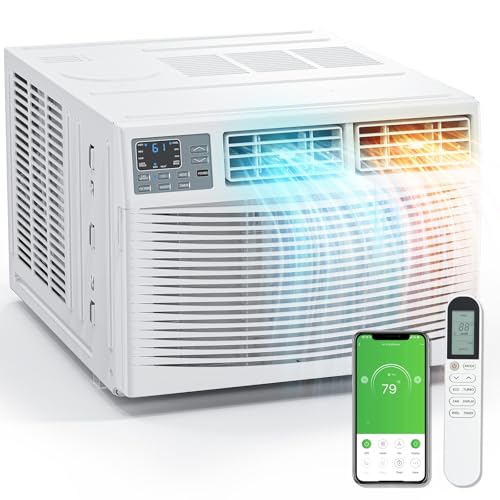
Air Conditioner and Heater Combo Window Unit: Complete Guide
A dual-function window unit delivers both cooling in summer and warmth in winter from a single installation point. Learn how these versatile systems work, what to look for, and how to choose the right one for your space.
Explore Top OptionsWhy consider a combo window unit? Instead of storing a window air conditioner in winter and dragging out a separate space heater, an air conditioner and heater combo window unit stays installed year-round and switches between cooling and heating modes as the seasons change. This guide walks you through the technology, sizing, installation considerations, and key features so you can make a confident decision before purchasing.
What Is an Air Conditioner and Heater Combo Window Unit?
An air conditioner and heater combo window unit is a single window-mounted appliance that provides both cooling and heating. Unlike a standard window AC that only cools, these units include a heating element or a reverse-cycle heat pump mechanism, allowing them to warm a room during colder months. They are designed for single-room use and fit into standard double-hung windows or through-the-wall openings.
There are two main heating technologies found in these units. The first uses an electric resistance heating element, similar to a space heater, which is simple, reliable, and effective in mild to moderate cold. The second uses a reverse-cycle heat pump, which moves heat from the outside air into the room — a far more energy-efficient approach that performs best in moderate climates. Understanding this distinction is essential because it directly affects operating efficiency, comfort, and long-term performance.
How Combo Window Units Work
In cooling mode, the unit functions like any conventional window air conditioner: refrigerant absorbs heat from indoor air and releases it outdoors. In heating mode, the process reverses. A heat-pump combo unit extracts ambient heat from outdoor air and transfers it indoors, even when outside temperatures are cool. Electric-element models instead generate heat directly through resistive coils.
This dual capability makes these units particularly valuable for rooms that experience temperature swings — such as home offices, bedrooms, sunrooms, and converted garages — where installing a full HVAC system is impractical or unnecessary. If you have a space that needs supplemental heating and cooling without major renovation, a combo window unit is a practical fit. For broader context on room-specific solutions, see our guide on AC for small apartments and home office cooling.
Key Benefits of Dual-Function Window Units
Year-Round Comfort
One appliance handles both summer cooling and winter heating, eliminating the need to install and remove separate devices each season.
Space-Saving Design
Because the unit remains in the window permanently, you avoid cluttering storage space with seasonal equipment.
Simplified Installation
Most combo units install in standard windows with minimal modification, similar to a traditional window AC.
Targeted Zone Control
Heat or cool only the room you are using, which is ideal for spaces where central HVAC does not reach effectively.
Fewer Devices to Maintain
Maintaining one appliance rather than separate cooling and heating devices streamlines seasonal upkeep.
Backup Heating Source
When a primary heating system fails or struggles during a cold snap, a combo unit provides a reliable supplemental heat source.
Types of Heating Technology in Combo Units
| Technology | How It Works | Best For | Efficiency Profile |
|---|---|---|---|
| Electric Resistance Heating | Uses heating coils to generate warmth directly, similar to a space heater. | Colder climates where supplemental heat is needed quickly; users who want simple, dependable operation. | Consistent output regardless of outdoor temperature; higher energy draw during extended use. |
| Reverse-Cycle Heat Pump | Extracts ambient heat from outdoor air and transfers it indoors using refrigerant cycles. | Moderate climates with mild winters; users prioritizing energy efficiency across seasons. | Highly efficient in moderate conditions; performance declines as outdoor temperatures drop sharply. |
Both technologies have loyal followings. Electric-element units are straightforward, robust, and effective even in very cold weather. Heat-pump models are more efficient in moderate climates and offer lower long-term energy consumption. The right choice depends on your local climate, how often you expect to use heating mode, and your priorities around efficiency versus raw heating power.
Sizing Your Combo Window Unit: BTU and Room Dimensions
Proper sizing is critical for both cooling and heating performance. An undersized unit will struggle to reach the desired temperature, while an oversized unit will short-cycle, leading to uneven comfort and unnecessary wear. For cooling, the standard guideline is approximately 20 BTU per square foot of floor area, adjusted upward for sunny rooms, high ceilings, or rooms with poor insulation.
For heating, electric-element models generally provide enough output for mild to moderate winter conditions in a single room. Heat-pump models perform best when outdoor temperatures remain above freezing. If you live in an area with harsh winters, an electric-element combo unit or a dedicated heating solution may be more appropriate. To better understand capacity requirements, refer to our guide on how to size an air conditioner and the BTU calculator by room size.
What to Look For Before You Buy
- Window compatibility: Confirm the unit fits your window type and dimensions. Most combo units work with double-hung windows, but sash width and height must be verified.
- Heating capacity: Check the heating output rating and whether it suits your climate. Electric-element models typically list wattage, while heat pumps list BTU heating capacity.
- Cooling capacity (BTU): Match BTU to your room size to ensure efficient cooling without short-cycling.
- Energy efficiency ratings: Look for high CEER or EER for cooling and HSPF for heat-pump models. Learn more in our explanation of SEER ratings and EER ratings.
- Thermostat and controls: Digital thermostats, programmable timers, and remote controls add convenience and help maintain consistent temperatures.
- Noise level: Combo units with heat pumps may have slightly different acoustic profiles in heating mode. Check decibel ratings if the unit will be in a bedroom.
- Installation requirements: Some units require a dedicated circuit or specific outlet type. Verify electrical needs before purchase — see our guide on 110V vs 240V air conditioners.
- Warranty and support: A solid warranty covering both cooling and heating components is a sign of build quality. Read our guide on AC warranty registration.
Installation and Placement Considerations
Installing a combo window unit is similar to installing a standard window AC, but there are a few additional considerations. Because the unit operates year-round, you will want to ensure the installation is secure and weather-tight. Proper sealing around the window frame prevents drafts and moisture intrusion during winter. Some units include insulation panels or foam gaskets; if not, consider adding weather stripping.
Placement matters for heating performance as well. Heat rises, so a window unit positioned lower in the room distributes warmth more evenly than one mounted high. Avoid placing the unit directly behind furniture or curtains that could block airflow. If you are unsure about electrical requirements or window modifications, consult a qualified technician — our guide on when to call an HVAC technician can help you decide.
Maintenance Tips for Long-Term Performance
Regular maintenance keeps both cooling and heating modes operating efficiently. Clean or replace the air filter every two to four weeks during heavy use, and inspect the outdoor-side coils for debris. In heating mode, keep the unit free of dust and ensure the heating element or heat-pump coils are clean. Before winter, test the heating function to confirm it engages properly. For a seasonal checklist, see our guide on seasonal AC checklist and how to clean AC filters.
Frequently Asked Questions
Can a combo window unit replace a central heating system?
No. Combo window units are designed for single-room supplemental heating and cooling. They are not a substitute for a whole-home HVAC system, but they are excellent for targeted comfort in individual rooms.
Do these units work in very cold climates?
Electric-element models can provide heat in cold conditions but consume more energy. Heat-pump models lose efficiency as outdoor temperatures drop below freezing. For harsh winters, a combo unit is best used as supplemental heat rather than a primary source.
How do I know which heating technology is right for me?
If you live in a moderate climate and want efficient year-round operation, a heat-pump combo unit is ideal. If winters are colder or you want consistent heating output regardless of outdoor temperature, an electric-element model is more suitable.
Can I install a combo window unit myself?
Many units are designed for DIY installation in standard windows. However, if the unit requires a dedicated electrical circuit or window modification, professional installation is recommended. Always follow the manufacturer's instructions.
Will a combo unit increase my energy bill significantly?
Energy use depends on the unit's efficiency ratings, how often it runs, and your local climate. Heat-pump models are generally more efficient in moderate conditions. Choosing the right size and maintaining the unit properly helps keep energy consumption in check.
Ready to Choose Your Combo Window Unit?
Now that you understand how air conditioner and heater combo window units work, the next step is to compare models that fit your room size, climate, and installation setup. Browse our curated selection of dual-function units below.
View Recommended Models