Air Conditioner Compressor Running But Not Cooling
Your compressor is humming, the unit is powered on, yet the air coming out is warm. This guide explains why an AC compressor runs without cooling, how to diagnose the problem, and what to do next.
An air conditioner compressor that runs but does not cool is one of the most common and frustrating HVAC problems. The compressor is the heart of the system — when it operates but fails to produce cold air, the issue usually lies in refrigerant flow, airflow, or a component that supports the cooling cycle. Understanding the root cause helps you decide whether to troubleshoot it yourself or call a professional before the problem worsens.
How to Recognize the Problem
Before diving into causes, confirm the symptoms. A compressor that runs without cooling typically shows several of these signs:
- The outdoor unit is running and humming, but the indoor vents blow warm or room-temperature air.
- The compressor does not cycle off — it runs continuously without reaching the set temperature.
- The indoor coil may be frozen, or the outdoor unit may show ice buildup.
- The thermostat is set correctly but the room never cools down.
- You hear the compressor running, but the fan inside the house may be blowing weakly or not at all.
If any of these match your situation, use the troubleshooting steps below to narrow down the cause. Keep safety in mind: always turn off power at the breaker before inspecting electrical components, and never open a sealed refrigerant system yourself.
Most Common Causes and How to Diagnose Them
1 Low Refrigerant or a Refrigerant Leak
Refrigerant is the substance that absorbs heat from indoor air and releases it outside. If the system has a leak, the compressor keeps running but cannot cool because there is not enough refrigerant to complete the heat-exchange cycle. Signs include frozen evaporator coils, hissing sounds, or oil residue around refrigerant lines. A licensed technician must locate the leak, repair it, and recharge the system to the correct level. You can learn more about the role of air conditioner coolant in the cooling process.
2 Dirty or Blocked Condenser Coils
The condenser coils in the outdoor unit release heat that was absorbed indoors. When they are covered in dirt, leaves, or debris, heat cannot escape efficiently. The compressor runs, but the system cannot dissipate heat, so indoor air stays warm. Inspect the outdoor unit for visible dirt and clean the coils gently with a garden hose and coil cleaner. This is one of the simplest maintenance tasks that can restore cooling performance.
3 Restricted Airflow from a Dirty Filter or Blocked Ducts
If the air filter is clogged or the ductwork is blocked, air cannot move across the evaporator coil. The compressor runs, but without airflow the coil cannot absorb heat, and the system may freeze up. Replace the filter regularly and check for blocked return vents. Duct problems may require a professional air conditioner duct cleaning service to remove debris and restore proper airflow.
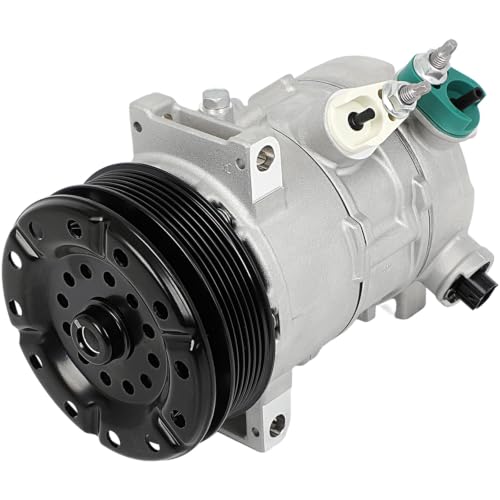
4 Faulty Compressor Valves or Internal Damage
The compressor has internal valves that control refrigerant pressure. If these valves fail, the compressor may run but cannot build the pressure needed for cooling. This is a mechanical failure that usually requires replacing the compressor or the entire outdoor unit. A technician can test compressor performance with pressure gauges and electrical measurements to confirm the diagnosis.
5 Malfunctioning Capacitor
The compressor and condenser fan rely on capacitors to start and run. A weak or failed capacitor can prevent the compressor from operating at full capacity, or cause it to run but not cool effectively. If you hear a clicking sound or the compressor struggles to start, a technician can test and replace the capacitor. This is a relatively straightforward repair once diagnosed.
6 Thermostat or Control Board Issues
Sometimes the compressor is running because the thermostat or control board is sending the wrong signal. A faulty thermostat may keep the compressor on without calling for cooling, or a control board relay may be stuck. Check the thermostat settings first, then test the control board if the problem persists. This type of issue often requires a multimeter and some electrical knowledge.
7 Condenser Fan Motor Failure
The condenser fan moves air across the outdoor coils. If the fan motor fails, the compressor may still run, but heat cannot be released, and the system overheats. Listen for the outdoor fan — if it is not spinning while the compressor runs, the fan motor or its capacitor may be the culprit. Refer to our guide on the air conditioner cooling fan for more detail.
Quick Diagnostic Table
Use this table to match symptoms with likely causes and next steps. The table uses tier-based descriptors for product categories where relevant, without any numeric figures.
| Symptom | Likely Cause | Recommended Action |
|---|---|---|
| Compressor runs, indoor air warm, outdoor unit hot | Dirty condenser coils or fan failure | Clean coils, check fan motor and capacitor |
| Compressor runs, indoor coil frozen | Low refrigerant or restricted airflow | Replace filter, check ducts, call technician for refrigerant |
| Compressor hums but does not start | Failed capacitor or seized compressor | Test capacitor, call technician if compressor is faulty |
| Compressor runs continuously, no cooling | Refrigerant leak or valve failure | Professional leak detection and repair |
| Outdoor fan not spinning, compressor running | Fan motor or capacitor failure | Replace fan motor or capacitor |
| Thermostat set low, compressor runs, no cold air | Control board or thermostat fault | Test thermostat, inspect control board |
When to Call a Professional
Some issues are safe to handle yourself, such as replacing a filter or cleaning outdoor coils. However, refrigerant leaks, compressor valve failures, control board faults, and capacitor replacements in the outdoor unit require a licensed technician. If you have checked the filter, thermostat, and outdoor unit for obvious debris and the problem persists, it is time to call a professional. Ignoring a compressor that runs without cooling can lead to higher energy use, frozen coils, and eventual compressor failure — one of the more significant repairs in an HVAC system.
Explore Related Troubleshooting Guides
If your symptoms match a different pattern, these guides can help you narrow it down: AC constantly running but not cooling, AC not cooling but fan is running, and AC running but not cooling enough. For a broader overview, see our main AC not cooling solution guide.
Preventive Maintenance Tips
- Replace or clean the air filter every one to three months, depending on usage and pets.
- Keep the outdoor unit clear of leaves, grass clippings, and debris. Maintain at least two feet of clearance around the unit.
- Schedule professional maintenance once per year to check refrigerant levels, electrical components, and coil condition.
- Inspect the condensate drain line for clogs to prevent water damage and related cooling issues.
- Monitor your energy bills — a sudden increase can signal a compressor or refrigerant problem before other symptoms appear.
Frequently Asked Questions
Why is my compressor running but not cooling the house?
Can I fix a compressor that runs but does not cool myself?
Is it normal for the compressor to run continuously in hot weather?
How do I know if my compressor is bad?
Will a dirty filter cause the compressor to run but not cool?
How often should I have my AC serviced to avoid this problem?
Bottom line: A compressor that runs but does not cool usually points to refrigerant, airflow, or electrical issues. Start with the simple checks — filter, thermostat, and outdoor coil condition — then bring in a licensed technician for anything involving refrigerant or internal components. Early diagnosis prevents more extensive damage and keeps your system efficient in the long run.