
Air Conditioning Unit No External Ventilation: Complete Guide
Discover how ventless and ductless air conditioning systems deliver reliable cooling without an external air duct. Compare technologies, understand installation requirements, and choose the right solution for rooms with limited structural options.
What "No External Ventilation" Really Means
When homeowners search for an air conditioning unit with no external ventilation, they are usually looking for a cooling system that does not require a large wall opening, a window cut-out, or a full duct network connected to outside air. The term is often used loosely, so it helps to clarify what is technically possible and what is not.
Every air conditioner must reject heat somewhere. The difference is whether that heat rejection happens through a traditional external air duct, a small refrigerant line connected to an outdoor condenser, or an internal heat-exchange design. A system described as having "no external ventilation" typically falls into one of these categories:
- Ductless mini-split systems — the indoor air handler connects to an outdoor condenser through a narrow refrigerant line set, not a large air duct.
- Portable air conditioners — most use a flexible exhaust hose that routes through a window or wall opening, but some designs minimize or eliminate visible ducting.
- Evaporative coolers — these use water evaporation rather than a compressor cycle and do not need a traditional refrigerant circuit.
- Window units — technically require an exterior opening, so they are not a true ventless solution.
Key takeaway: A truly ventless air conditioner that produces cold air without any heat rejection path is not physically possible. However, systems that avoid large external air ducts — such as ductless mini-splits — are commonly marketed and understood as ventless or ductless solutions.
How Cooling Works Without External Air Vents
Understanding the underlying mechanics helps you evaluate whether a ventless system fits your space. The refrigeration cycle is the same across most cooling technologies, but the way heat is expelled differs.
The Refrigerant Cycle in Brief
An air conditioner absorbs heat from indoor air using an evaporator coil, moves that heat through a refrigerant loop, and releases it outdoors through a condenser coil. The compressor drives the cycle. In a traditional central system, ducts distribute cooled air and return warm air. In a ventless or ductless system, the indoor unit delivers cooled air directly into the room while the condenser handles heat rejection remotely.
Ductless Mini-Split Heat Rejection
A ductless mini-split keeps the noisy compressor outdoors. Only a small refrigerant line and a condensate drain pass through the wall. The indoor air handler sits on a wall or ceiling and blows cooled air directly into the room. No air duct is required, which makes this the most effective solution for rooms with no external wall access or where structural changes are restricted.
Portable Unit Exhaust Management
Most portable air conditioners collect heat indoors and expel it through a flexible exhaust hose. Single-hose models create negative pressure that can draw warm outside air back into the room, reducing efficiency. Dual-hose models separate intake and exhaust airflow, which improves performance. Some newer portable designs use internal condensate evaporation and shorter exhaust paths, but a heat rejection route is still required.
If you are exploring alternatives for spaces where a window is unavailable, the guide on air conditioning units without a window covers practical options and installation constraints in more detail.
Best AC Systems for Ventless Spaces
The right choice depends on room size, structural constraints, and how much installation work is acceptable. Below are the leading categories for spaces that cannot accommodate traditional external ventilation.
1. Ductless Mini-Split Systems
Ductless mini-splits are the top-tier choice for rooms with no external air duct. They deliver strong cooling performance, operate quietly indoors, and avoid the efficiency losses associated with ductwork. A small wall penetration is needed for the refrigerant line and drain, but no large air opening is required. Multi-zone systems can cool several rooms from a single outdoor condenser.
For a broader overview of ductless configurations, see the guide on ductless mini-split air conditioners.
2. Portable Air Conditioners
Portable units are the most flexible entry-level option. They roll from room to room and require only a window or wall opening for the exhaust hose. Dual-hose models are more efficient within the portable category. They are a solid choice for renters or temporary cooling needs, though they are generally louder and less efficient than mini-splits.
Compare models and features in the portable air conditioner guide.
3. Floor-Mounted AC Units
Floor-mounted split systems place the indoor unit low on the wall or floor, which can be useful in rooms with limited upper-wall space. They still use a refrigerant line to an outdoor condenser, so they are ductless rather than truly ventless. They are a mid-range option when wall-mounted air handlers are not practical.
Learn more in the floor-mounted AC guide.
4. Evaporative Coolers
Evaporative coolers use water and airflow rather than a compressor. They add moisture to the air, which makes them suitable for dry climates but less effective in humid regions. They are an essential-tier option for specific environments and do not use refrigerant lines or external air ducts.
Side-by-Side Comparison by Tier
The table below compares the main ventless and ductless options using universal quality tiers rather than numeric pricing. This keeps the comparison useful over time and focuses on relative market positioning.
| System Type | Market Tier | Best For | External Air Duct Needed? | Efficiency Profile |
|---|---|---|---|---|
| Ductless Mini-Split | Premium / top-tier | Permanent room cooling, quiet operation, multi-zone setups | No — small refrigerant line only | High, especially inverter models |
| Dual-Hose Portable AC | Mid-range | Renters, temporary rooms, flexible placement | No — exhaust hose through window or wall | Moderate |
| Single-Hose Portable AC | Entry-level | Small rooms, occasional use | No — exhaust hose required | Lower due to negative pressure |
| Floor-Mounted Split | Mid-tier to high-end tier | Rooms with limited upper-wall space | No — refrigerant line only | Good to high |
| Evaporative Cooler | Essential tier | Dry climates, open living areas | No | Depends on humidity and airflow |
Note: Higher tiers generally offer smoother operation, quieter indoor components, and better long-term efficiency. The right tier depends on how much you value permanent installation, acoustic comfort, and energy performance.
Installation and Placement Considerations
Even without external air ventilation, proper placement determines how well a system performs. Here are the key factors to evaluate before committing to a unit.
Indoor Unit Placement
- Airflow clearance: Keep at least 6 to 12 inches of free space around the air intake and outlet.
- Sun exposure: Avoid placing the indoor unit in direct sunlight, which can skew temperature readings.
- Drainage slope: Mini-split indoor units require a slight downward slope for condensate drainage.
- Height: Wall-mounted units should be high enough to distribute cool air evenly but low enough for easy filter access.
Outdoor Condenser Placement (Mini-Splits)
The outdoor condenser needs adequate airflow and should not be boxed in by walls or debris. It also needs a stable mounting surface and a safe electrical connection. If the condenser cannot be placed outdoors, the installation is not feasible.
Portable Unit Exhaust Routing
Portable units require a short, unobstructed exhaust path. Long or kinked hoses reduce cooling capacity. Window kits and wall kits are available, but they must seal tightly to prevent warm air from re-entering the room. For rooms where a window is not available, review the options in the air conditioning unit without window guide.
Electrical Requirements
Larger mini-splits and some portable units require a dedicated circuit. Verify the amperage and voltage requirements before installation. If you are unsure about your panel capacity, consult a licensed electrician. The 110V vs 240V air conditioner guide explains how voltage affects unit selection.
Efficiency, Maintenance, and Long-Term Performance
A ventless or ductless system is an investment in indoor comfort. Protecting that investment requires attention to efficiency ratings and routine maintenance.
Efficiency Ratings to Watch
- SEER / SEER2: Measures seasonal cooling efficiency. Higher ratings indicate better performance over a cooling season.
- EER / EER2: Measures efficiency at a specific temperature. Useful for comparing units in consistently hot climates.
- CEER: Used for room air conditioners, including some portable models.
Inverter-driven compressors generally outperform single-speed compressors in part-load conditions, which is where most systems operate. The inverter AC guide explains how variable-speed technology affects energy use and comfort.
Maintenance Checklist
- Clean or replace filters every 2 to 4 weeks during peak use.
- Inspect the condensate drain for clogs or algae growth.
- Keep the outdoor condenser coil free of leaves and debris.
- Schedule professional servicing before each cooling season.
- Check refrigerant lines for visible wear or insulation damage.
Routine upkeep prevents many common problems. If you notice reduced cooling, unusual noises, or water leaks, the air conditioner service and maintenance guide outlines troubleshooting steps and when to call a technician.
Common Issues and Solutions
Ventless systems are not immune to performance problems. A unit that runs but does not cool may have a refrigerant issue, a dirty coil, or a blocked airflow path. The guide on air conditioners running but not cooling covers diagnostic steps. If the unit short-cycles, the short cycling troubleshooting guide explains likely causes such as oversized capacity or thermostat placement.
How to Choose the Right Unit
Use the following decision framework to narrow your options. Start with the room and work outward to the system type.
Step 1: Measure the Space
Calculate square footage and note ceiling height, window area, and sun exposure. A room with large south-facing windows gains more heat and may need a higher capacity relative to its size. Use a BTU calculator or consult a sizing guide to avoid undersizing or oversizing.
Step 2: Confirm Structural Constraints
- Is there any exterior wall access for a small refrigerant line or exhaust hose?
- Can an outdoor condenser be placed safely?
- Are there restrictions on wall penetrations, such as rental agreements or historic building rules?
Step 3: Match System Type to Use Case
- Permanent cooling for a bedroom or living room: Ductless mini-split.
- Temporary or rental-friendly cooling: Dual-hose portable AC.
- Dry climate and open airflow: Evaporative cooler.
- Limited upper-wall space: Floor-mounted split system.
Step 4: Evaluate Features and Tier
Look for features that matter in daily use: quiet operation, programmable timers, smart thermostat compatibility, washable filters, and condensate management. Higher-tier models typically offer better acoustic performance and more precise temperature control. The Wi-Fi air conditioner guide covers smart control options if remote management is important to you.
Step 5: Plan for Maintenance
Choose a system with accessible filters and service points. Confirm that replacement parts and professional service are available in your area. A well-maintained mid-tier unit can outperform a neglected premium unit over time.
Frequently Asked Questions
Can an air conditioner work without external ventilation?
Yes. Ductless mini-splits, portable units, and evaporative coolers can operate without a traditional external air duct. They still require a heat rejection path — typically a small refrigerant line to an outdoor condenser or a flexible exhaust hose — but they avoid the large duct openings associated with central systems.
Which AC type is best for rooms with no external wall?
Ductless mini-splits are the most effective choice for rooms without external walls because the indoor air handler connects to an outdoor condenser through a narrow refrigerant line. Portable ACs are a practical alternative when permanent installation is not possible or when the room must remain flexible.
Do ventless air conditioners need drainage?
Most systems produce condensate that must be managed. Mini-splits use a condensate drain line, while some portable units use self-evaporative designs. Proper drainage prevents water damage and maintains cooling efficiency. Check the unit's manual for specific drainage requirements.
How do I size a ventless AC unit for my room?
Calculate the room's square footage and match it to the unit's BTU rating. A general rule is 20 BTU per square foot, adjusted upward for sunny rooms, high ceilings, or poor insulation. Always confirm the unit's rated coverage before installation and avoid significant oversizing, which can cause short cycling.
Is a ventless AC unit energy efficient?
Efficiency depends on the technology. Inverter-driven mini-splits are typically the most efficient in the ventless category. Single-hose portable units are less efficient because they draw conditioned air out of the room. Look for high SEER, SEER2, or CEER ratings when comparing options, and consider dual-hose portables if you choose a portable system.
Recommended Ventless and Ductless Air Conditioners
⚠️ AFFILIATE DISCLOSURE: This website contains affiliate links. As an Amazon Associate, we earn from qualifying purchases. If you make a purchase through these links, we may receive a small commission at no additional cost to you. Read our full affiliate policy.
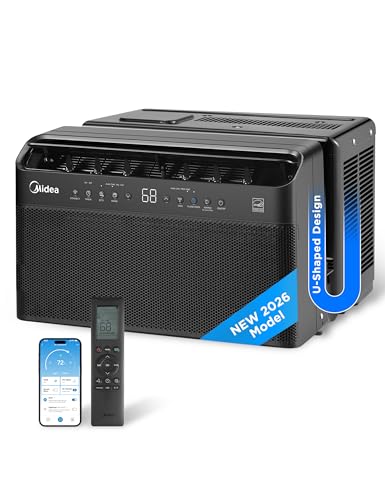
Midea 6,000 BTU U Shaped Window Air Conditioner, Cools up to 250 Sq Ft | Ultra Quiet U-Shaped Design, Inverter Control, Open Window Flexibility, Alexa/Google Assistant, 37% Energy Savings, Jet Black
Check price on Amazon
KOMORE Portable Air Conditioner,10000 BTU up to 450 Sq.Ft 4-in-1 WiFi | Auto Mode,Cooling,Dehumidifier,Sleep Mode,24H Timer,Remote Control for Room/Office/Dorms/Bedroom, Air Conditioning Unit
Check price on Amazon
Arctic Air Pure Chill 2.0 Evaporative Air Cooler by Ontel - Powerful, Quiet, Lightweight and Portable Space Cooler with Hydro-Chill Technology For Bedroom, Office, Living Room & More,Blue
Check price on Amazon
Windowless Portable Air Conditioner for Room, Evaporative Air Cooler w/7H Timer, 4 Modes & 3 Speeds, Swamp Cooler air conditioner with remote, Portable ac Unit no Window no Hose Needed, Pearl
Check price on Amazon
Midea 6,000 BTU Window Air Conditioner, 3-in-1 Cool/Fan/Dehumidifier Window AC Unit, Easycool Air Conditioner with Remote Control, Cools up to 250 Sq. Ft., Fits bedroom, study, office
Check price on Amazon
Evaporative Air Cooler, 2026 Upgraded Swamp Cooler with 10 Gallon WaterTank
Check price on Amazon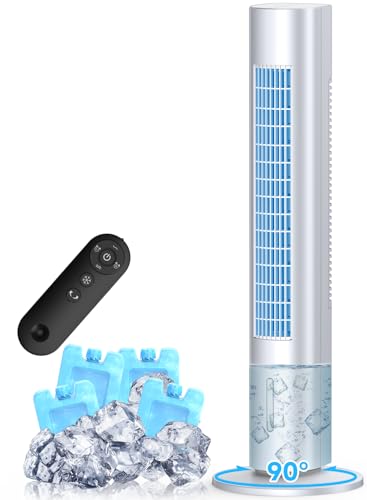
CENSTECH Evaporative Air Cooler, 35" Windowless Air Conditioner Portable w/3 Speeds, 25ft Remote, Smart Timer & Water Tank, Portable Air Conditioners No Windows Needed, 90°Oscillating AC Unit for Room
Check price on Amazon