Air Conditioning Unit That Doesn't Need a Window: Cool Any Room, No Window Required
Stuck with a room that has no windows or can't accommodate a traditional unit? Discover the best ventless, ductless, and through-the-wall air conditioners that deliver powerful cooling without needing a window.
EXPLORE YOUR OPTIONS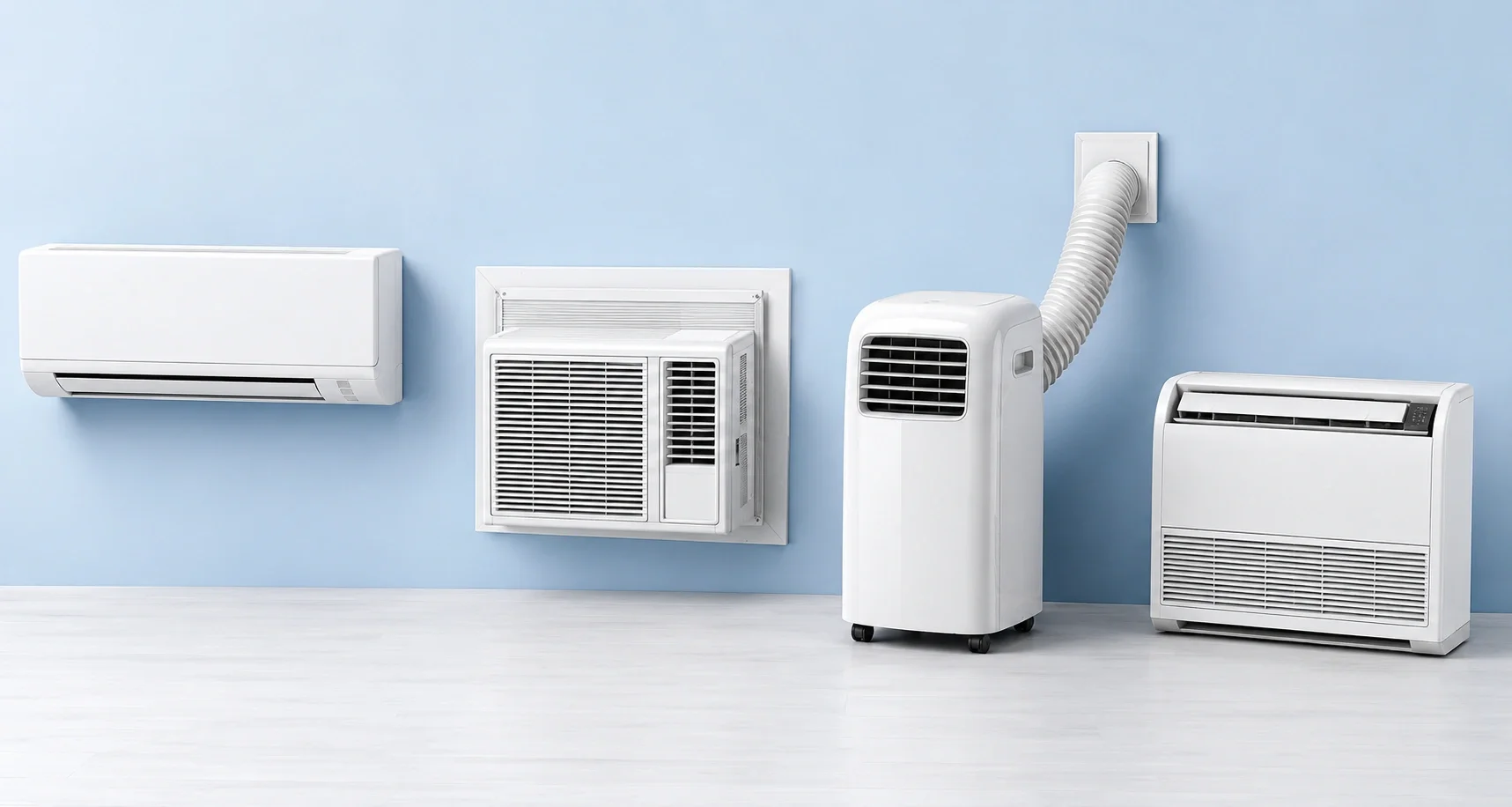
Not every living or working space comes with a standard double-hung window, and even if it does, you might want to preserve the view or natural light. The good news is that you can still achieve excellent climate control. The key is understanding the different types of air conditioning units available that don't rely on a window for exhaust or mounting. From powerful ductless mini-split systems to flexible portable air conditioners adapted for ventless use, there is a solution for almost any floor plan. This guide breaks down exactly what you need to know to make a confident, informed purchase.
Important Consideration: True "ventless" air conditioners (like evaporative coolers) work differently than refrigerant-based ACs. Most powerful ACs need to exhaust heat somewhere. We'll show you how to manage this even without a window, including through-the-wall, drop-ceiling, or door venting techniques.
Top 4 Types of AC Units That Don't Need a Window
Ductless Mini-Split AC
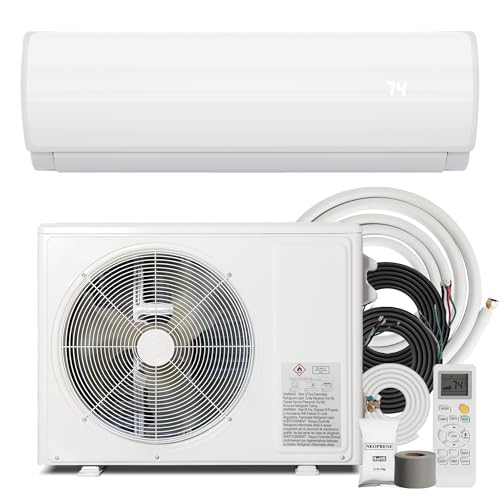
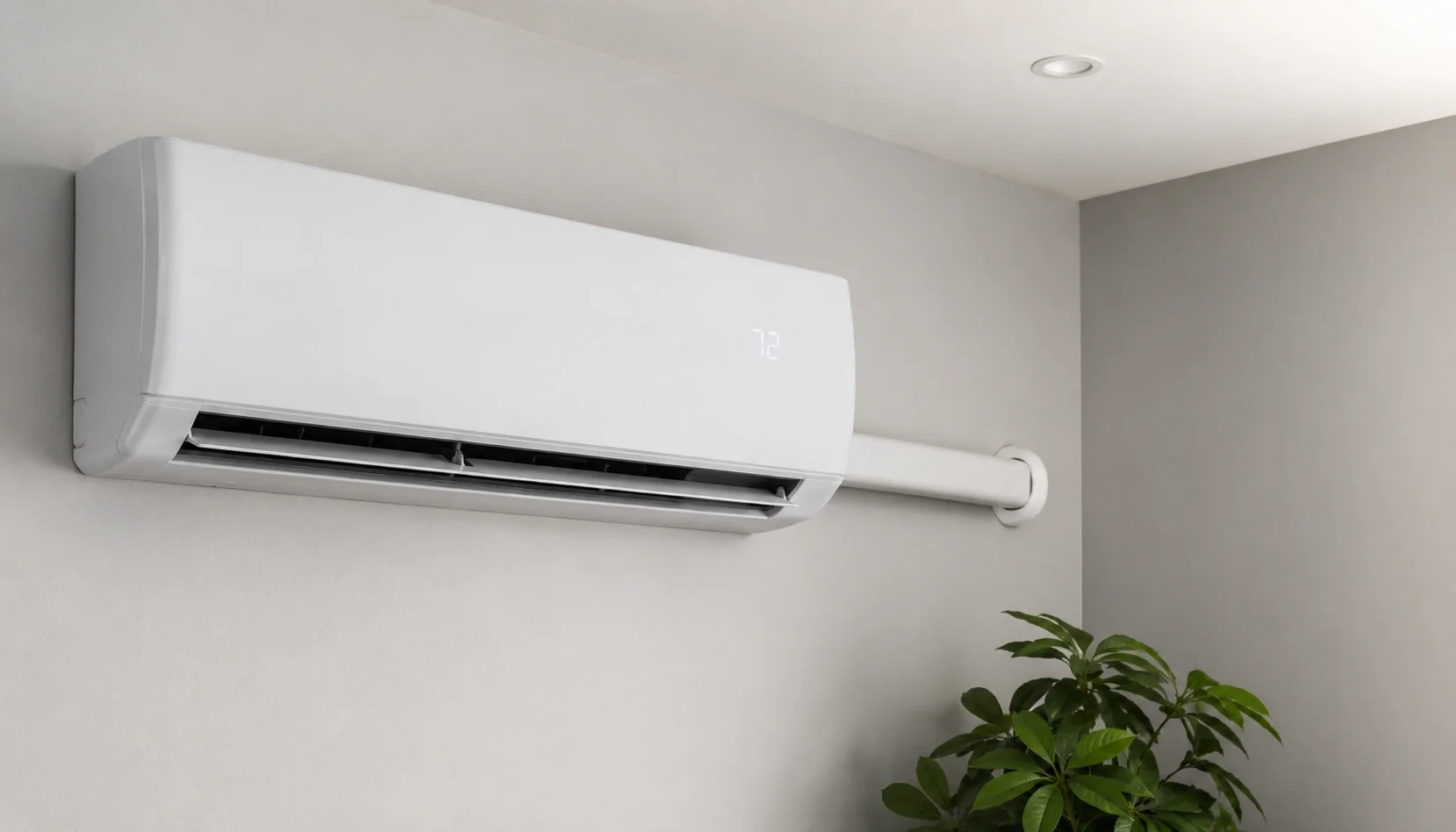
The gold standard for cooling a space without windows. It consists of an outdoor compressor and a sleek indoor air handler, connected only by a small conduit through an exterior wall. Extremely efficient and quiet.
- Very high efficiency
- Whisper-quiet
- Heating option available
- Professional install
- Higher upfront investment
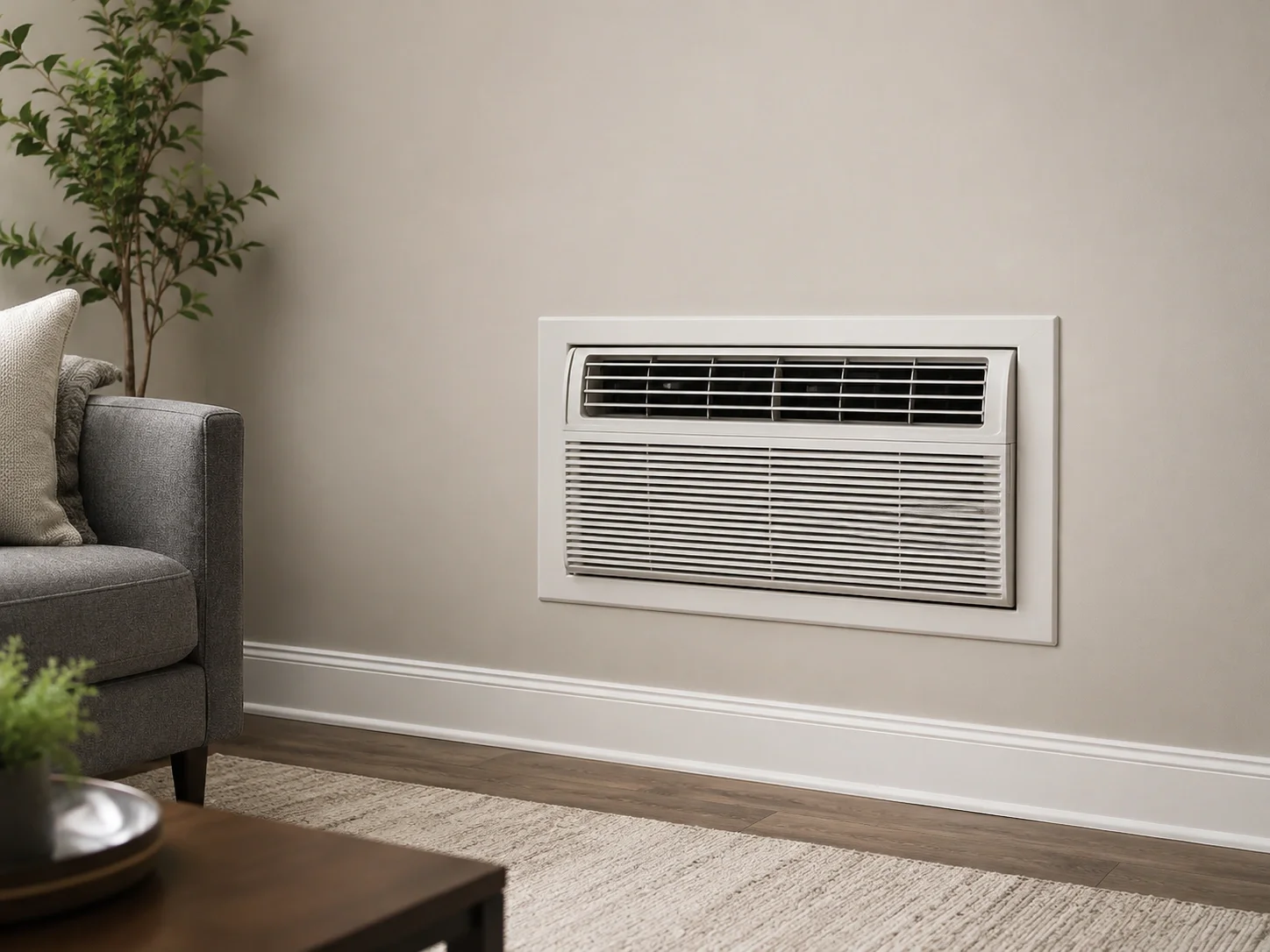
Through-the-Wall AC
A self-contained unit that fits permanently into a dedicated sleeve cut into an exterior wall. It doesn't block any window and provides a clean, sealed finish. Ideal for ground-floor rooms or additions.
- Doesn't occupy floor space
- Permanent, secure fit
- Good for 400–700 sq ft
- Requires wall cutting
- Less flexible
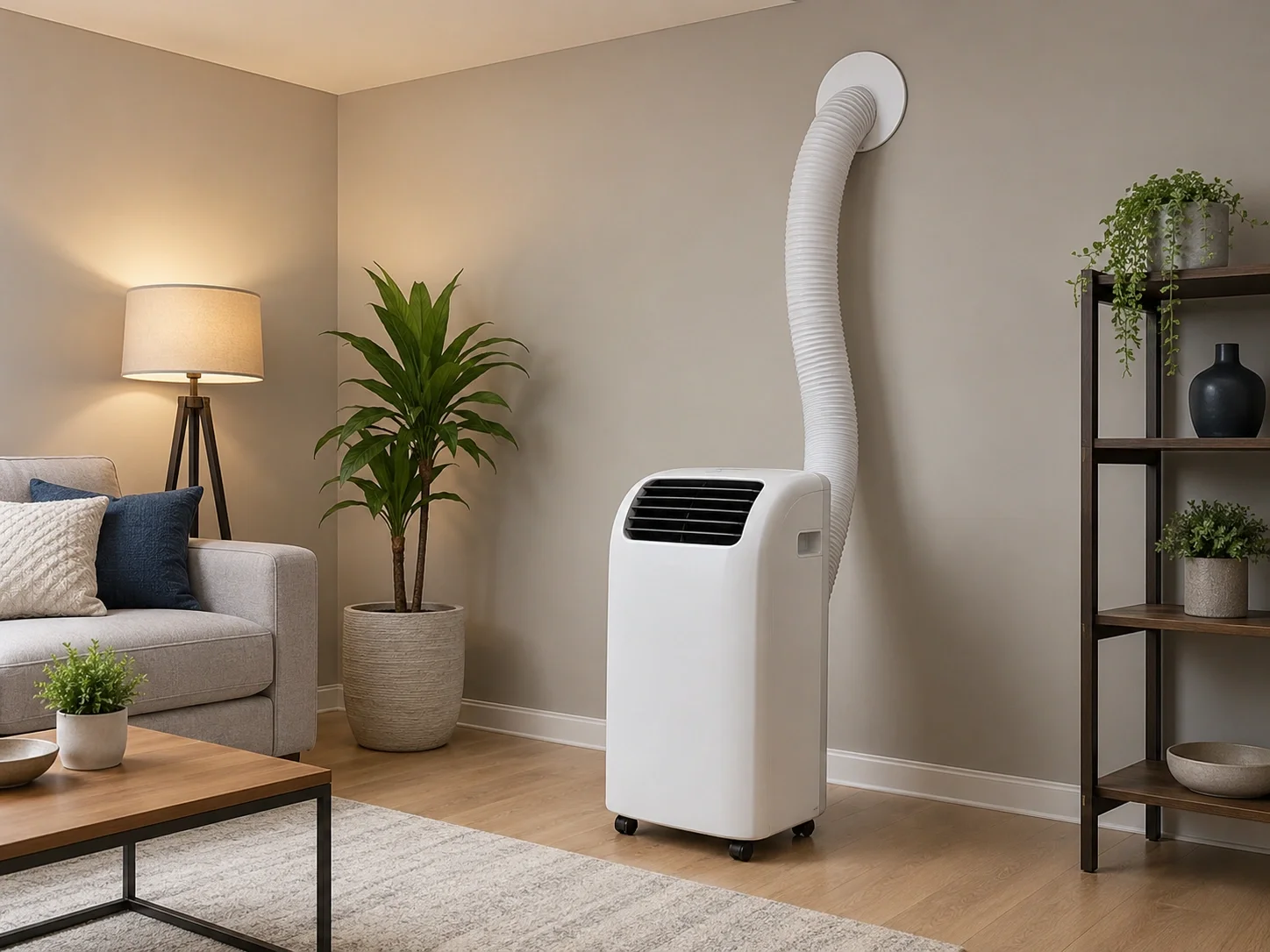
Portable AC (Adapted Venting)
A rolling portable AC can be used if you create an exhaust point other than a window. Common solutions include venting into a drop ceiling, through a dedicated wall vent, or even into an adjacent room or garage (with care).
- No permanent install
- Move room to room
- Lower upfront investment
- Needs exhaust mod
- Less efficient
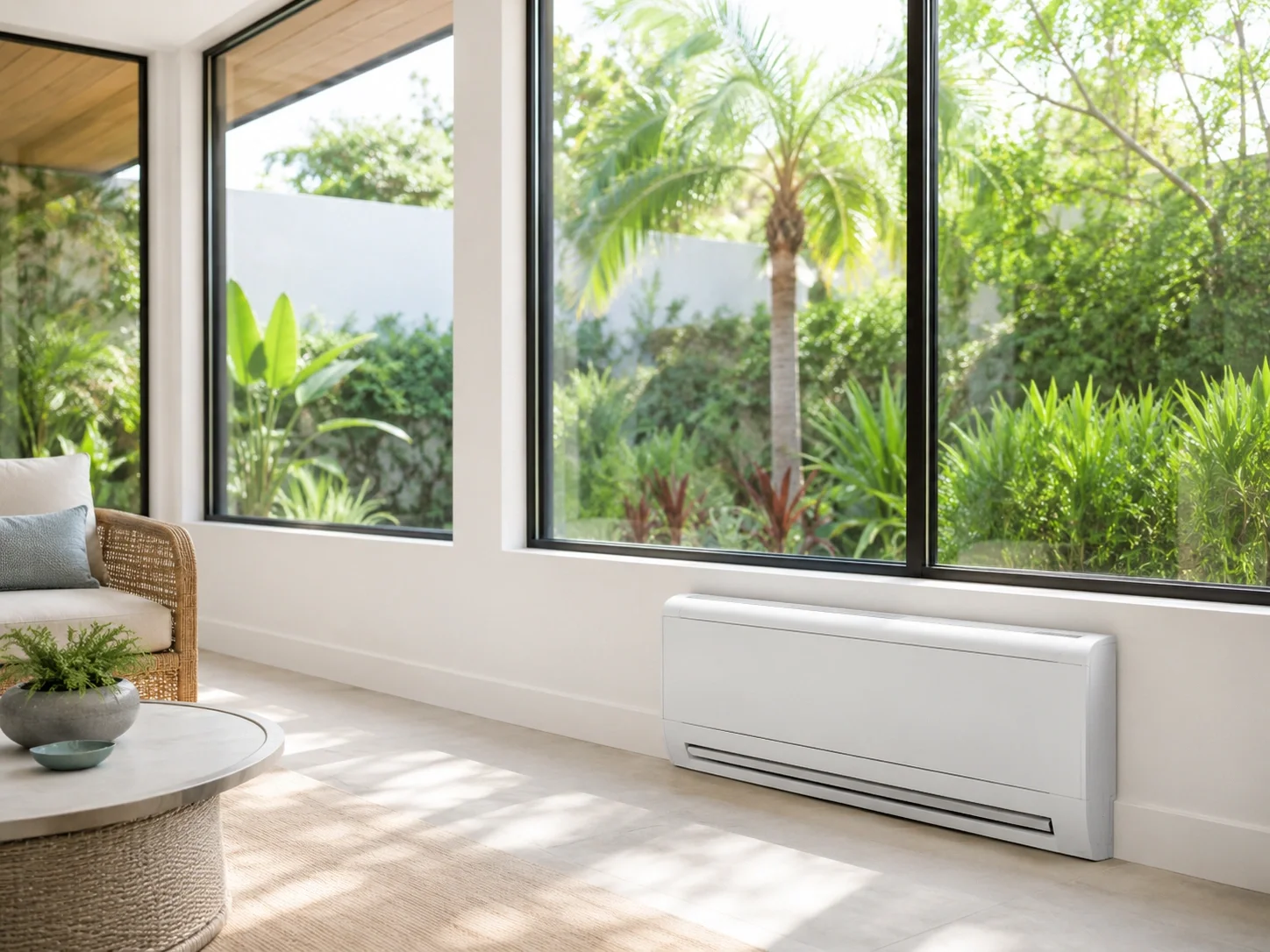
Floor Mounted AC
Similar to a mini-split but installed near the floor. Perfect for rooms with angled walls, large glass panels, or spaces where wall mounting high up isn't practical. It easily connects to an outdoor unit through a small wall hole.
- Easy access for filter cleaning
- Ideal for sunrooms
- Powerful heating/cooling
- Uses floor space
- Professional install
Understanding Venting: Why Most ACs Need It (And How to Solve It)
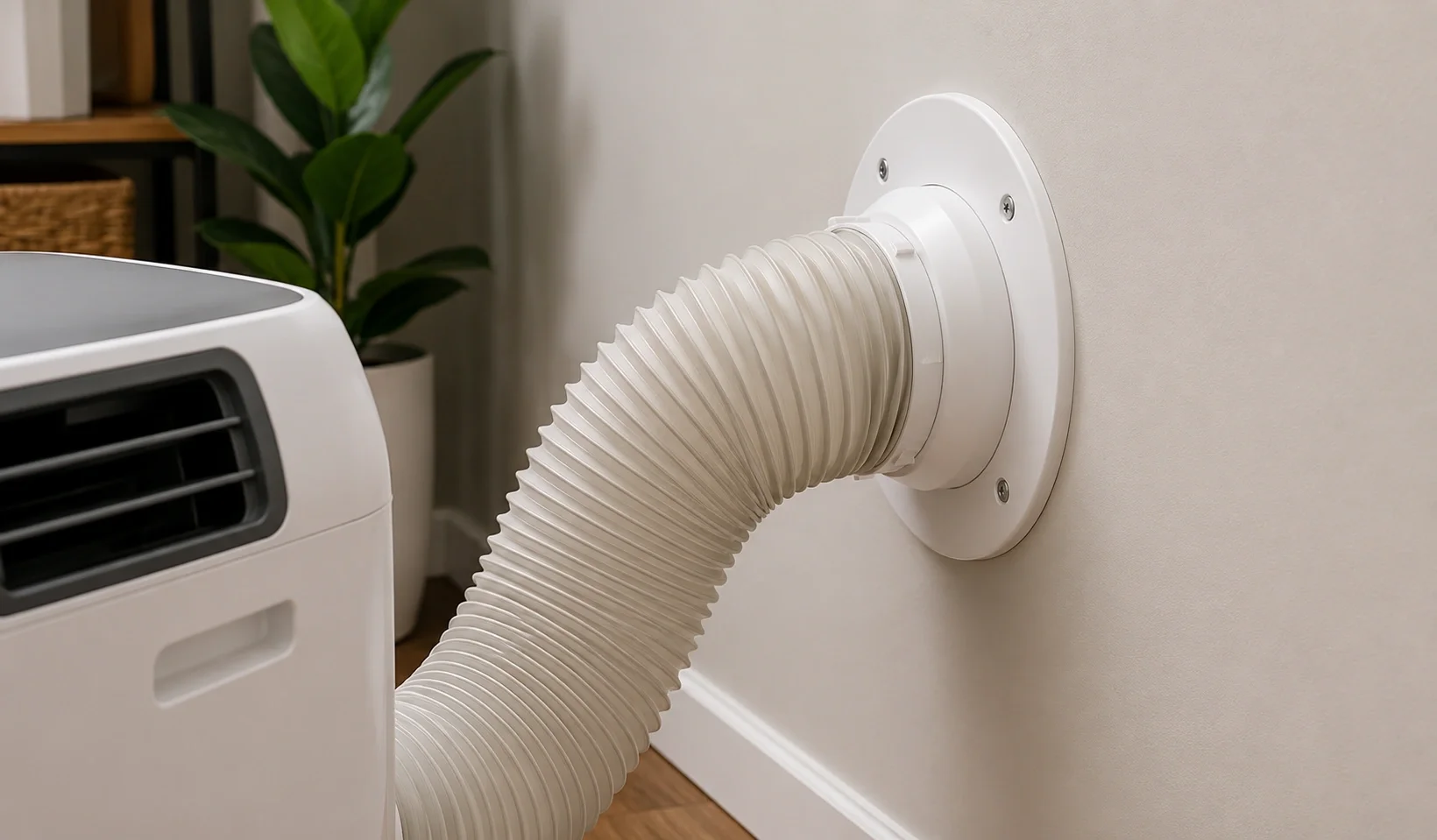
A traditional air conditioner uses refrigerant to absorb heat from inside your room and transfer it outside. That hot air must be exhausted. A window provides the most convenient path. Without one, you must create an alternative exhaust route. A through-the-wall AC solves this by having its back half permanently outside. A ductless mini-split separates the noisy, hot components entirely to an outdoor unit. For portable units, you can often install a vent plate in a wall or ceiling, similar to a dryer vent. This is a popular solution for home offices or basements where window access is limited.
Ventless Air Conditioners: Fact vs. Fiction
Many shoppers search for a true "ventless air conditioner." The reality is that refrigerant-based portable ACs that claim to be completely ventless often use evaporative cooling or are simply fans. A true evaporative cooler adds moisture to the air and only works in dry climates, but it does not need a hose. However, for most U.S. homes in humid regions, a high-EER-rated mini-split or through-the-wall unit is the closest you can get to a permanent, no-window, high-performance cooling solution. Always check the SEER rating to understand long-term energy costs; modern ductless units can reach remarkably high efficiencies.
Key Features to Look For
When you can't use a window, your unit selection must prioritize ease of alternative installation and long-term reliability. Consider these technical points:
- Inverter Compressor Technology: Inverter ACs adjust speed rather than cycling on and off, saving energy and maintaining steadier temperatures, critical in a room that might have heat-producing equipment.
- Heat Pump Functionality: A unit with a heat pump provides both cooling and supplemental heating, adding year-round value especially in a converted garage or sunroom.
- Installation Flexibility: Check the maximum refrigerant line length for mini-splits if the outdoor unit must be placed far from the indoor head. Review the AC indoor and outdoor placement guidelines.
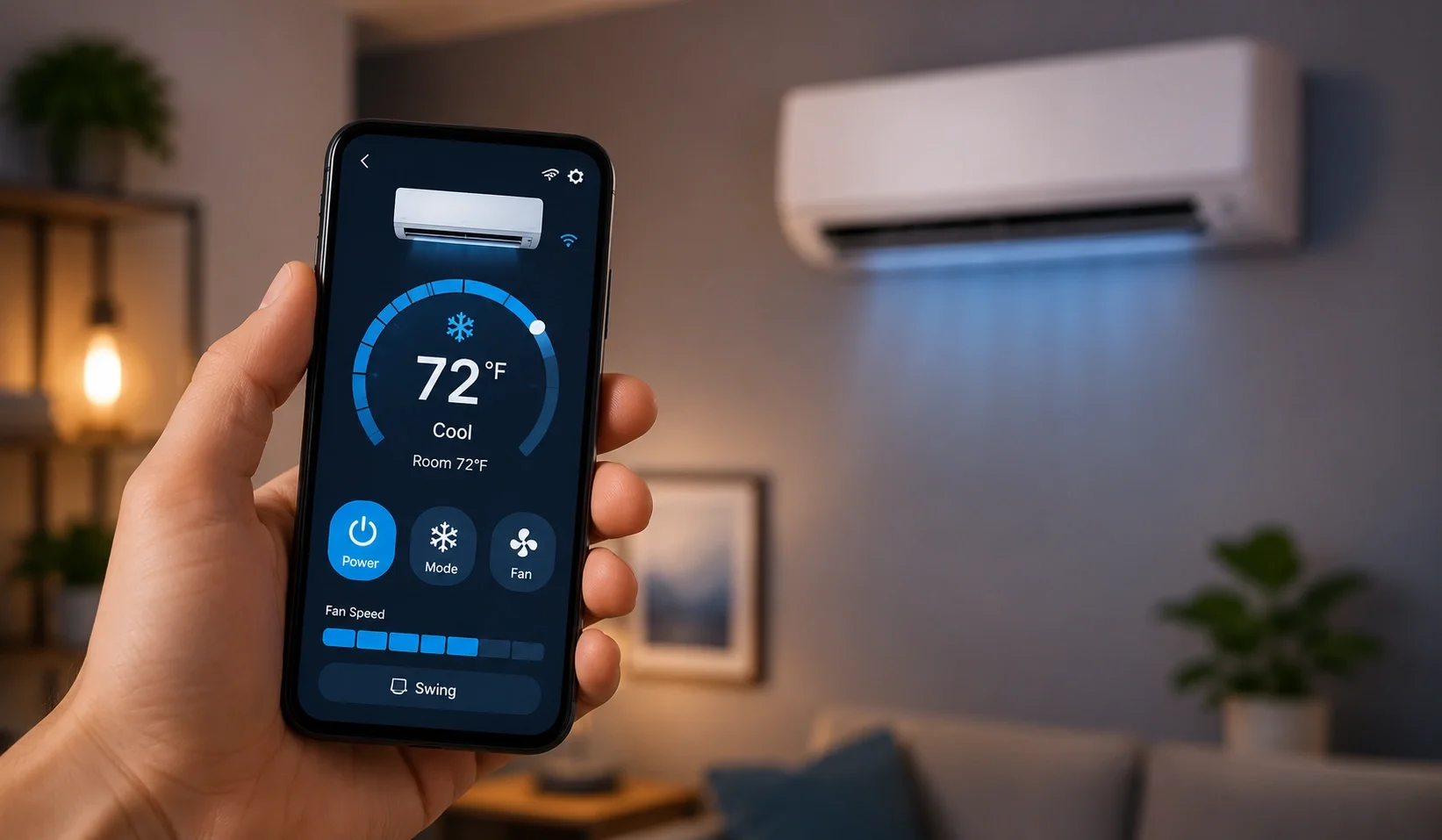
- Smart Controls: An AC with Wi-Fi and smart control allows you to manage settings remotely, perfect for a server room or a space you don't enter often.
Quick Comparison: No-Window AC Solutions
| AC Type | Ideal Room Size | Market Tier | Installation Complexity |
|---|---|---|---|
| Ductless Mini-Split | 250–600+ sq ft | Premium | High (pro needed) |
| Through-the-Wall | 300–700 sq ft | Mid-Range | Moderate (sleeve needed) |
| Portable (w/ wall vent) | 150–400 sq ft | Entry-Level | Low (DIY vent) |
| Floor Mounted Mini-Split | 250–550 sq ft | Premium | High (pro needed) |
If you are renting or need a temporary fix, a portable AC adapted with a ceiling or door vent is often the only feasible choice. For homeowners, investing in a permanent ductless or through-the-wall system significantly increases property comfort and value. Sizing is crucial; use a BTU calculator by room size before you shop to avoid buying a unit that's too big or too small. If you are covering a whole floor, explore whole-house AC system options or HVAC zoning systems. Always consult a qualified HVAC contractor for any installation involving refrigerant lines or wall penetrations to ensure the work meets local HVAC building codes.
Maintenance Tip: Units without a window often pull air from inside the room or through a small wall opening. Keep the filters pristine. Check our guide on how to clean an AC filter and the seasonal AC checklist to maintain peak performance, especially in a basement or garage where dust is prevalent.