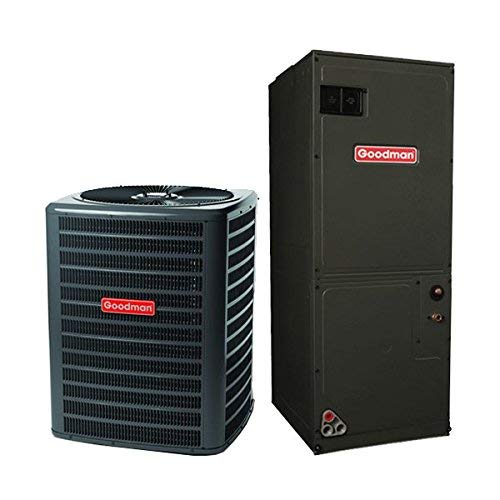
Air Conditioning Unit Tune Up: Complete Guide
What a professional tune up actually covers, why it protects both efficiency and warranty coverage, and how to prepare before the technician arrives.
An annual tune up is the highest-leverage maintenance task you can schedule: If you already own an air conditioner and want it to keep cooling reliably season after season, a tune up is the most practical step you can take. It is not a luxury add-on — it is routine care that keeps the system closer to its rated performance, catches small faults before they grow into major repairs, and satisfies many manufacturer warranty conditions. This guide explains exactly what a tune up involves, what it does and does not fix, and how to plan yours so it delivers real value.
What Is an Air Conditioning Unit Tune Up?
An air conditioning tune up is a scheduled service visit in which a technician inspects, cleans, and adjusts the components of your cooling system to keep it operating within specification. It is a preventive service rather than a repair. The technician is not waiting for something to break — the goal is to find small issues while they are still cheap to address and to restore the system to peak operating condition before the cooling season begins.
A tune up applies to every system type. Central systems, ductless mini splits, window units, and portable units all benefit from routine service, although the specific tasks differ. If you want the broader maintenance picture, the AC maintenance guide covers the full annual cycle, and the AC maintenance plan overview explains how recurring service agreements work.
What a Tune Up Typically Includes
The exact checklist depends on the system type and the technician's scope, but most professional tune ups cover the following areas.
Coil Cleaning
Both the evaporator coil indoors and the condenser coil outdoors are inspected and cleaned. Dirty coils reduce heat transfer and force the system to run longer than necessary.
Refrigerant Charge Check
The technician measures refrigerant charge against the manufacturer's specification. Undercharge and overcharge both degrade performance and stress the compressor.
Electrical Inspection
Connections, contactors, and capacitors are checked for wear, corrosion, and loose terminals. Electrical faults are a common cause of mid-summer failures.
Condensate Drain Clearing
The drain pan and drain line are cleared and checked for slope. A clogged drain is one of the most common causes of water damage around an air handler.
Blower and Fan Inspection
The blower wheel, indoor fan, and outdoor fan are checked for balance, cleanliness, and correct operation. Lubrication is applied where the manufacturer requires it.
Filter Service
Filters are inspected and replaced or cleaned. A clogged filter restricts airflow and strains the blower motor, which is why this step is never skipped.
Thermostat Calibration
The thermostat is checked against a reference thermometer and calibrated if needed. A misreading thermostat undermines every other efficiency measure.
Airflow and Temperature Differential
The technician measures the temperature split between return and supply air to confirm the system is cooling as expected and identify issues that are not obvious by feel.
Why a Tune Up Matters
Real Benefits
- Keeps the system closer to its rated efficiency
- Surfaces small problems before they become failures
- Extends the working life of the compressor and blower
- Often required to keep manufacturer warranty valid
- Reduces the odds of a mid-summer breakdown
- Helps confirm the system is safe to operate
What a Tune Up Does Not Do
- It does not repair failed components
- It does not restore a system that is already undersized
- It cannot fix a refrigerant leak that requires a repair visit
- It does not replace the need for good household habits like filter changes
- It does not guarantee the system will never fail
When to Schedule a Tune Up
Timing matters more than most homeowners expect. The ideal window is spring, before the cooling season begins, when technicians have availability and the system has not yet been stressed by peak summer demand. A pre-season tune up catches issues while there is still time to address them without urgency.
Some households in hot climates benefit from a second visit in autumn, especially if the system runs nearly year-round. If you are considering a recurring service arrangement, review the air conditioning unit service cost overview to understand how scheduled plans are typically structured.
Levels of Service: What Different Tiers Cover
Not all tune up offerings are identical. Service packages vary widely, and understanding the tiers helps you choose the level of care that fits your system and situation.
| Tier | Typical Coverage | Best For |
|---|---|---|
| Entry-Level | Basic inspection, filter replacement, visible coil cleaning, thermostat check | Newer systems in good condition, budget-conscious maintenance schedules |
| Mid-Range | Full checklist including electrical inspection, refrigerant charge check, drain clearing, temperature differential measurement | Most residential systems, pre-season service, moderate-use homes |
| Premium | Deep coil cleaning, advanced diagnostics, multi-point electrical testing, priority scheduling | Older systems, high-use households, systems under extended warranty |
| Luxury | Comprehensive multi-system service, duct inspection, smart thermostat integration checks, detailed reporting | Large homes, multi-zone systems, professionally managed properties |
Mid-range packages typically offer the most balanced combination of coverage and practical value for residential use. Premium and luxury tiers are justified when the system is older, the household runs it heavily, or warranty documentation requires detailed service records.
What You Can Do Between Tune Ups
A tune up works best when it is supported by good habits. These tasks are reasonable for most homeowners:
- Replace or clean the air filter every one to three months, depending on use and household dust levels.
- Keep the outdoor unit clear of leaves, grass clippings, and debris, and maintain at least two feet of clearance around it.
- Check the condensate drain line periodically and flush it if you notice sluggish drainage.
- Verify that supply vents are open and unobstructed by furniture or rugs.
- Watch for unusual noises, water stains near the air handler, or a sudden drop in cooling performance — these warrant a service call before the scheduled tune up.
Related Issues a Tune Up Helps Prevent
Reduced Cooling
Dirty coils, low refrigerant, or restricted airflow commonly show up first as reduced cooling. Regular service catches these early. The things to check when AC is not cooling guide walks through the most common causes.
Water Leaks
A clogged condensate drain can leak water into ceilings and walls. Routine drain clearing during a tune up prevents this. The air conditioning unit leaking water overview explains the underlying causes.
Frozen Coils
Low refrigerant, restricted airflow, or a failing blower can freeze the evaporator coil. A tune up checks the factors that lead to this condition. See the AC frozen coils solution guide for a deeper explanation.
Electrical Failures
Worn capacitors and loose connections are common causes of mid-season breakdowns. A tune up inspects these components before failure. The AC electrical problems overview covers the topic further.
Ready to Support Your System's Longevity?
Browse filters, thermostats, and service accessories below to complement your tune up routine and keep your system in top shape between professional visits.