Air Marine Air Conditioning: Complete Guide for Boats & Yachts
Everything you need to know about marine air conditioning systems — from self-contained and split units to sizing, installation, and long-term maintenance for comfortable cruising in any climate.
Explore the GuideWhy marine air conditioning matters: Unlike residential systems, air marine air conditioning must endure saltwater corrosion, constant vibration, tight installation spaces, and the unique humidity of life on the water. Choosing the right system protects your investment and keeps every cabin comfortable, whether you are docked in a marina or cruising offshore.
What Is Air Marine Air Conditioning?
Air marine air conditioning refers to cooling systems engineered specifically for vessels — sailboats, motor yachts, catamarans, and liveaboard trawlers. These systems share the same refrigeration cycle as land-based air conditioners, but every component is adapted for the marine environment: corrosion-resistant coils, sealed electrical enclosures, vibration-dampened compressors, and compact footprints that fit inside lockers and engine rooms.
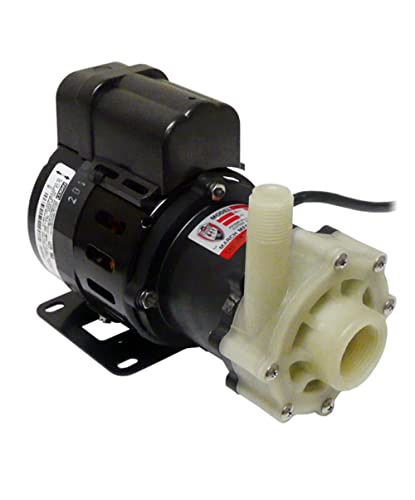
A typical marine AC draws seawater through a pump to cool the condenser, then circulates chilled air through ductwork into each cabin. Because vessels vary dramatically in size and layout, marine air conditioning is rarely a one-size-fits-all purchase. Understanding the available system types is the first step toward a comfortable boat — and toward a smart, long-term investment in your vessel's liveability.
Main Types of Marine Air Conditioning Systems
Self-Contained Marine AC
The most common choice for boats up to roughly 50 feet. Compressor, evaporator, and blower are housed in a single compact unit that fits in a locker or under a berth. Straightforward installation and dependable performance make this a solid choice for the category.
Split Marine AC System
The condenser and evaporator are separated, allowing flexible placement in larger yachts where space is tight. Split systems reduce duct runs and noise in the cabin, making them well-specified for mid-range to high-end vessels with multiple zones.
Chilled Water Marine Systems
A central chiller circulates chilled water to multiple air handlers throughout the vessel. This commercial-grade approach delivers precise zone control and quiet operation — ideal for luxury yachts and large liveaboard vessels with many cabins.
Portable Marine Air Conditioners
A practical option for smaller boats, day cruisers, and renters who need temporary cooling. Portable units require a venting path for exhaust air, but they install without permanent modifications — a good value for its tier when flexibility matters most.
How to Size a Marine Air Conditioner
Sizing is the single most important decision in marine air conditioning. An undersized unit runs constantly and never reaches the set temperature; an oversized unit short-cycles, removes little humidity, and wears out faster. Marine systems are rated in BTU, and the right figure depends on cabin volume, insulation, window area, sun exposure, and onboard heat sources such as engines and electronics.
As a starting reference, many installers use roughly 12,000 BTU per 100 square feet of well-insulated cabin space in moderate climates, adjusting upward for tropical conditions, large glass areas, or poor insulation. Because every vessel is different, a professional load calculation remains the most reliable path. If you are still comparing land-based options, our guide on air conditioner fundamentals explains how BTU ratings translate into real-world cooling.
| Vessel Size | Typical Cooling Capacity | Recommended System Type | Best For |
|---|---|---|---|
| Small boats & day cruisers | 5,000 – 8,000 BTU | Portable or compact self-contained | Occasional cooling, single cabin |
| Mid-size cruisers (30–40 ft) | 8,000 – 16,000 BTU | Self-contained marine AC | Weekend cruising, one to two cabins |
| Large yachts (40–60 ft) | 16,000 – 36,000 BTU | Split marine AC system | Multi-cabin comfort, liveaboard use |
| Luxury yachts (60 ft+) | 36,000 BTU and above | Chilled water system | Full-vessel zone control, quiet operation |
Installation Considerations for Marine AC
Installing air marine air conditioning is more involved than fitting a window unit at home. The seawater intake must be positioned to avoid air locks and debris, the condenser must sit low enough for the pump to prime reliably, and ductwork must be routed to minimize bends and heat gain. Electrical work requires marine-grade wiring and proper breaker sizing, and every through-hull fitting must be sealed and bonded correctly.
- Choose a corrosion-resistant unit rated for saltwater exposure
- Position the seawater pump below the waterline for reliable priming
- Route ductwork with minimal bends to preserve airflow
- Use marine-grade wiring and correctly sized breakers
- Install a raw-water strainer to protect the condenser
- Provide drainage for condensate to avoid cabin moisture
- Bond all metal through-hull fittings per marine standards
- Test the system at dock before offshore cruising
Maintenance Tips for Long-Term Reliability
Marine air conditioners live in a harsher environment than any home system, so maintenance is not optional. Saltwater flow cools the condenser, and any restriction in that flow quickly reduces efficiency and can damage the compressor. Regular service keeps the system efficient in the long run and protects one of the more significant investments aboard your vessel.
Key maintenance habits include flushing the seawater circuit to remove scale and marine growth, cleaning or replacing air filters every few weeks during heavy use, checking the raw-water strainer, and inspecting electrical connections for corrosion. Off-season layup deserves special attention: drain the seawater circuit, clean the coils, and cover the unit to keep moisture out. For broader service guidance that applies to many cooling systems, see our air conditioner service and maintenance reference.
If your marine unit is struggling, the symptoms often mirror land-based problems. A unit that runs but never cools may have a refrigerant issue, restricted seawater flow, or a fouled condenser. Our troubleshooting overviews on an air conditioner running but not cooling and an air conditioner running constantly without cooling explain the diagnostic steps in plain language.
Why Invest in a Quality Marine Air Conditioning System
Comfort on the water is not a luxury — it directly affects how often you use your boat and how well you sleep aboard. A well-specified marine AC extends your cruising season, protects interior furnishings from humidity damage, and makes liveaboard life genuinely pleasant. Entry-level systems can handle a single cabin, while professional-grade and commercial-grade systems deliver the quiet, zoned comfort expected on larger yachts.
When comparing options, focus on corrosion protection, serviceability, and support for marine-specific parts rather than headline specifications alone. A mid-range system with accessible components often outperforms a top-tier model that is difficult to service in a cramped engine room. For boaters exploring cooling alternatives for compact spaces, our resource on an air conditioning unit without an external unit offers useful context on self-contained designs.
Frequently Asked Questions
What is air marine air conditioning?
Air marine air conditioning is a cooling system built specifically for boats, yachts, and other vessels. It uses seawater to cool the condenser and is engineered to resist saltwater corrosion, vibration, and the tight installation spaces found aboard.
How do I size a marine air conditioner?
Sizing is based on cabin volume, insulation, window area, climate, and onboard heat sources. A common starting point is roughly 12,000 BTU per 100 square feet of insulated cabin space, but a professional load calculation gives the most reliable result.
Can I use a home air conditioner on a boat?
Standard home units are not designed for marine conditions. Saltwater corrodes coils and electrical components quickly, and vibration loosens connections. Purpose-built marine AC systems use corrosion-resistant materials and sealed enclosures to survive the environment.
How often does marine AC need maintenance?
Clean or replace air filters every few weeks during heavy use, flush the seawater circuit at least once per season, and inspect the raw-water strainer regularly. Off-season layup should include draining the seawater circuit and cleaning the coils.
What is the difference between self-contained and split marine AC?
Self-contained units house the compressor, evaporator, and blower in one compact case, while split systems separate the condenser from the evaporator for flexible placement in larger vessels. Self-contained systems suit smaller boats; split systems are common on mid-size and large yachts.