Buying an Air Conditioner: The Complete Research Guide
Everything you need to know before you buy — sizing, types, efficiency, features, and installation — so you can choose with confidence.
START THE GUIDEYou already know you need an air conditioner. The hard part is choosing the right one. This guide walks you through every decision point — from calculating the correct cooling capacity to comparing efficiency ratings and understanding what installation really involves. By the end, you will have a clear shortlist and the confidence to make a smart purchase.
Step 1: Define Your Cooling Space
Before you look at a single model, measure the room or rooms you need to cool. The square footage, ceiling height, window area, insulation quality, and local climate all influence the cooling capacity you will need.
Measure and Note These Details
- Floor area: Length × width in square feet.
- Ceiling height: Standard (8 ft) vs. vaulted ceilings changes the calculation.
- Window count and orientation: South- and west-facing windows add significant heat load.
- Occupancy: More people means more heat gain.
- Heat sources: Kitchens, electronics, and server equipment add load.
- Insulation and air sealing: Poorly sealed homes need more capacity.
Step 2: Choose the Right AC Type
The type of air conditioner you choose depends on your home's construction, your budget tier, and how many rooms you need to cool. Here is how the main categories compare.
| AC Type | Best For | Installation Effort | Tier Positioning |
|---|---|---|---|
| Central AC | Whole-home cooling with existing ductwork | Professional installation required | High-end tier / professional-grade |
| Ductless Mini-Split | Homes without ducts, single-room and zone cooling | Professional installation recommended | Mid-range to high-end tier |
| Window AC | Single rooms with a suitable double-hung window | DIY-friendly | Entry-level / essential tier |
| Portable AC | Renters, temporary setups, rooms with casement windows | Plug-and-play, minimal effort | Entry-level to mid-range |
| Through-the-Wall AC | Permanent single-room cooling, no window space | Professional or skilled DIY | Mid-tier |
Central Air Conditioning
Central AC distributes cooled air through ductwork to every room. It offers the most consistent comfort and is the standard choice for larger homes. If your home already has ducts, central AC is the most seamless option. Explore the full breakdown of central air conditioning to understand components and sizing.
Ductless Mini-Split AC
A mini-split pairs an outdoor compressor with one or more indoor air handlers. It is ideal for older homes without ducts, additions, and room-by-room zoning. Learn more in the ductless mini-split AC guide.
Window Air Conditioner
Window units are straightforward to install and well-suited to single rooms. They are an entry-level option that covers a defined space efficiently. See the window air conditioner guide for sizing and installation tips.
Portable Air Conditioner
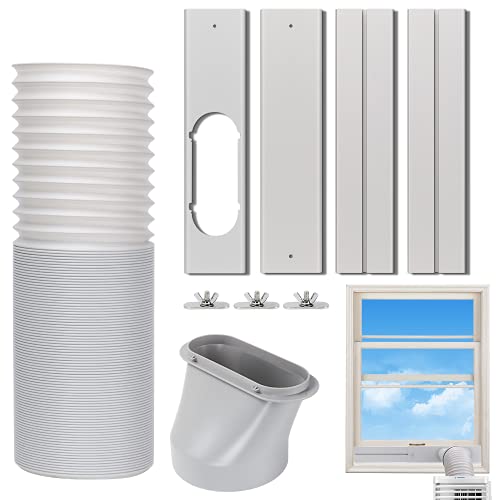
Portable units roll from room to room and need only a window vent kit. They are a practical choice for renters and temporary cooling. Read the portable air conditioner guide to compare venting styles.
Step 3: Size It Correctly with BTU
BTU (British Thermal Unit) is the measure of cooling capacity. Choosing the wrong size is the most common buying mistake. An undersized unit runs constantly and never catches up; an oversized unit cools too quickly, cycles on and off, and leaves the room humid.
Quick BTU Reference by Room Size
| Room Size | Suggested Capacity | Typical Use |
|---|---|---|
| Up to 150 sq ft | 5,000 – 6,000 BTU | Bedroom, small office, studio nook |
| 150 – 250 sq ft | 8,000 – 10,000 BTU | Medium bedroom, living area |
| 250 – 400 sq ft | 12,000 – 14,000 BTU | Large room, open-plan space |
| 400 – 600 sq ft | 18,000 – 24,000 BTU | Large living area, small apartment |
| 600 – 1,000 sq ft | 24,000 – 36,000 BTU | Multi-room, small home |
Use the full how to size an air conditioner guide for a more precise calculation that accounts for ceiling height, sun exposure, and occupancy. You can also cross-check with the BTU calculator by room size.
Step 4: Understand Efficiency Ratings
Efficiency ratings tell you how much cooling you get per unit of electricity. Higher ratings mean lower operating energy use over the life of the unit, which matters for a long-term investment.
Key Ratings to Know
- SEER / SEER2: Seasonal Energy Efficiency Ratio. Higher is better. Modern DOE standards require minimum SEER2 ratings. Read what is SEER rating for the full explanation.
- EER: Energy Efficiency Ratio at a single test condition. Useful for comparing units in hot climates. See what is EER rating.
- HSPF: Heating Seasonal Performance Factor, relevant if the unit includes a heat pump. Learn what is HSPF rating.
- ENERGY STAR: Certification for units that exceed minimum federal efficiency standards. See the ENERGY STAR certified AC guide.
Inverter Compressor Technology
Inverter ACs vary compressor speed to hold the set temperature steadily instead of cycling on and off. This typically improves efficiency and comfort. The inverter AC guide explains how the technology works and when it is worthwhile.
Step 5: Compare Features That Matter
Features can make or break your daily experience. Focus on the ones that directly affect comfort, convenience, and long-term reliability.
- Smart controls: Wi-Fi and app control let you schedule cooling and monitor energy use. Compare models in the AC with Wi-Fi and smart control guide.
- Quiet operation: Sound levels matter in bedrooms and home offices. See the quiet AC guide.
- Air filtration: Multi-stage filters reduce dust and allergens. Check the AC with air purifier guide.
- Self-cleaning: Some units dry the evaporator coil automatically to reduce mold growth. See the AC with self-cleaning guide.
- Heat pump capability: A unit that heats and cools extends seasonal usefulness. Read the AC with heat pump guide.
Step 6: Plan for Installation
Installation is where many purchases go wrong. A well-chosen unit installed poorly will underperform and may void the warranty. Plan the installation before you buy.
Before Installation
- Check your electrical panel capacity. Larger units may require a dedicated circuit. Read the 110V vs 240V AC guide for details.
- Confirm placement for indoor and outdoor units. See the AC indoor and outdoor placement guide.
- Determine whether a permit is required. See the how to get an AC permit guide.
- Get written quotes from licensed contractors. Use the how to choose an HVAC contractor guide.
After Installation
- Test the system thoroughly. Follow the how to test a new AC guide.
- Register the warranty. Use the AC warranty registration guide.
- Know the first-week checklist. Read the first week after AC installation guide.
Step 7: Pre-Purchase Checklist
Use this checklist to confirm you have covered every decision before you commit to a model.
- I have measured the room and calculated the correct BTU capacity.
- I have chosen an AC type that fits my home's construction and my cooling needs.
- I have compared SEER2 and EER ratings for the models on my shortlist.
- I have confirmed the unit fits my window, wall opening, or installation area.
- I have verified electrical requirements and panel capacity.
- I have checked warranty terms and whether professional installation is required.
- I have read recent owner reviews on noise, durability, and reliability.
- I have confirmed the seller is authorized and the unit is not refurbished unless disclosed.
- I have a written installation quote if professional installation is needed.
- I have reviewed the return policy and delivery terms.
Frequently Asked Questions
What is the first step when buying an air conditioner?
The first step is measuring the space you need to cool and calculating the required BTU capacity. This prevents buying an undersized or oversized unit, both of which reduce comfort and efficiency.
How do I choose between central, mini-split, window, and portable AC?
Central AC suits whole-home cooling with existing ductwork, mini-splits work well for homes without ducts or for zone cooling, window units fit single rooms with a suitable window, and portable units offer flexibility for renters or temporary setups.
What SEER rating should I look for when buying an AC?
Higher SEER ratings indicate greater energy efficiency. Modern standards require minimum SEER2 ratings, and premium models exceed the minimum. Choose a rating that balances efficiency with your climate and usage patterns.
Is an inverter AC better than a non-inverter AC?
Inverter ACs adjust compressor speed to maintain temperature steadily, which typically improves efficiency and comfort. Non-inverter units cycle on and off. Inverter models are generally a better long-term investment for frequent use.
Do I need a professional installer when buying an air conditioner?
Central and mini-split systems require professional installation due to refrigerant handling and electrical work. Window and portable units can be installed by homeowners. Always verify licensing and warranty requirements before installation.
What size AC do I need for a 400 square foot room?
A 400 square foot room typically needs about 12,000 to 14,000 BTU. Factors such as ceiling height, sun exposure, and occupancy can shift that range. Use the BTU calculator for a more precise figure.
Should I buy an AC with a heat pump?
A heat pump adds heating capability, making the unit useful year-round. If you need both cooling and heating in the same space, a heat pump model can be a sound long-term investment.
Ready to Compare Models?
Use the buying guide overview to cross-check your shortlist against sizing, efficiency, and installation requirements before you decide.
Explore the Full Buying Guide