Central Heat and Air Conditioning Systems: The Complete Guide
Understand how a central HVAC system works, compare system types, learn how to size your unit correctly, and make a confident, well-informed decision for your home.
START LEARNINGWhy this guide matters: A central heat and air conditioning system is one of the most significant comfort investments in any home. It affects your indoor air quality, energy usage, and daily comfort for years. Reading this guide first helps you ask the right questions, evaluate contractors fairly, and choose a system that fits your home instead of overspending or undersizing.
What Is a Central Heat and Air Conditioning System?
A central heat and air conditioning system is a whole-home comfort solution that conditions air at a single central location and then distributes it through a network of ducts to every room. Instead of placing a separate unit in each room, one integrated system handles both heating and cooling for the entire house.
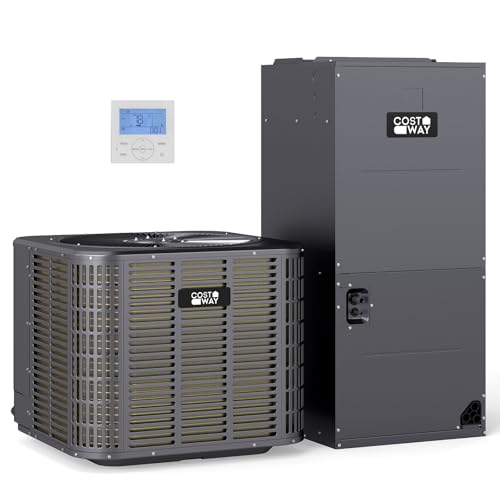
Most central systems combine an outdoor condenser unit with an indoor air handler or furnace. In cooling mode, the outdoor unit releases heat collected from inside the home. In heating mode, the system either uses a furnace, a heat pump, or electric resistance elements to warm the air before it travels through the ductwork.
Because the same duct system serves every room, central systems are known for even temperature distribution, quiet operation (most mechanical noise stays outdoors or in a utility closet), and a clean interior appearance with no window units blocking your view.
How Central Heat and Air Conditioning Systems Work
Understanding the basic refrigeration cycle helps you evaluate contractors' recommendations and spot potential problems early. A central system moves heat rather than generating cold air from nothing. The process follows a continuous loop:
- Absorption: Warm indoor air passes over the evaporator coil inside the air handler. The refrigerant inside absorbs heat and evaporates into a gas.
- Compression: The compressor in the outdoor unit pressurizes the refrigerant gas, raising its temperature significantly.
- Release: The hot gas travels to the condenser coil, where a fan blows outdoor air across it. Heat is released outside, and the refrigerant condenses back into a liquid.
- Expansion: The liquid refrigerant passes through an expansion valve, dropping in pressure and temperature before returning to the evaporator coil to repeat the cycle.
- Distribution: A blower pushes the now-cooled air through supply ducts into each room, while return ducts pull warm air back to the air handler.
In heating mode, a furnace burns fuel or uses electric elements to warm the air, while a heat pump simply reverses the refrigeration cycle to extract heat from outdoor air and move it indoors. To explore how heat pumps compare with traditional air conditioners, see our guide on heat pump vs air conditioner.
Key Components of a Central System
Every central heat and air conditioning system relies on several core components working together. Knowing what each part does makes maintenance conversations and repair diagnostics much clearer.
Outdoor Condenser Unit
Houses the compressor, condenser coil, and outdoor fan. It releases heat collected from your home into the outside air and is the loudest part of the system.
Indoor Air Handler / Furnace
Contains the evaporator coil and blower fan. In heating mode, a furnace or heat pump component warms the air before the blower distributes it through ducts.
Ductwork
Supply and return ducts carry conditioned air throughout the home. Leaky or undersized ducts can waste a significant portion of the system's capacity.
Thermostat
The control interface that signals the system to heat or cool. Smart thermostats add scheduling, remote access, and energy-saving automation.
Refrigerant Lines
Copper lines connect the indoor and outdoor units, carrying refrigerant between the evaporator and condenser coils in a closed loop.
Air Filter
Traps dust, pollen, and debris before air enters the system. A clogged filter restricts airflow and reduces both efficiency and cooling performance.
For a deeper explanation of the cooling cycle itself, our article on how an air conditioner works covers the physics in more detail.
Types of Central Heat and Air Conditioning Systems
Not all central systems are built the same way. The right choice depends on your climate, existing ductwork, fuel availability, and how much you value efficiency and advanced features. The table below compares the main configurations by tier and best use case.
| System Type | Tier | Best For | Key Traits |
|---|---|---|---|
| Split System (AC + Furnace) | Mid-range | Homes with existing ductwork and gas availability | Proven reliability, separate heating and cooling components, wide contractor familiarity |
| Heat Pump System | Premium | Mild to moderate climates and efficiency-focused homeowners | One system for heating and cooling, strong efficiency in moderate climates, no combustion |
| Packaged Unit | Entry-level | Homes without interior space for an air handler | All components in one outdoor cabinet, simpler installation, common in smaller or older homes |
| Ducted Mini-Split | Premium | Additions, retrofits, and homes needing zone control | Compact duct runs, quieter operation, flexible zoning, works well in tight spaces |
| Variable-Speed / Inverter System | Luxury | Homeowners prioritizing comfort, quietness, and efficiency | Gradual capacity modulation, precise temperature control, very quiet operation, top-tier efficiency |
If you are evaluating a ductless alternative for a specific room or an addition, our ductless mini-split AC guide explains when a zone-based approach outperforms a full central system.
How to Size a Central Heat and Air Conditioning System
Correct sizing is the single most important technical decision in a central system installation. An oversized unit cools too quickly, cycles on and off frequently, and leaves humidity unchecked. An undersized unit runs constantly without reaching the target temperature on hot days. Both scenarios reduce comfort and shorten equipment life.
Professional sizing uses a Manual J load calculation, which accounts for:
- Square footage and ceiling height of each room
- Window area, orientation, and glazing type
- Insulation levels in walls, attic, and floors
- Air infiltration and duct leakage
- Local climate design conditions
- Occupancy and internal heat gains from appliances
As a rough starting reference, homes around 1,200 square feet often pair with a 2-ton system, while homes around 2,200 square feet commonly use a 3.5 to 4-ton system. These are only estimates. Always confirm with a load calculation before committing to a unit. Our guide on how to size an air conditioner walks through the process step by step, and our BTU calculator by room size helps you sanity-check a contractor's proposal.
Efficiency Ratings Explained
Efficiency ratings let you compare systems objectively. The main metrics for a central heat and air conditioning system are:
- SEER2 — Seasonal Energy Efficiency Ratio for cooling. Higher numbers mean better cooling efficiency. Current federal minimums are around 14.3 SEER2 in most regions.
- EER2 — Energy Efficiency Ratio measured at a peak design condition. It is a better indicator of performance on the hottest days.
- HSPF2 — Heating Seasonal Performance Factor for heat pumps. Higher values indicate more efficient heating.
- AFUE — Annual Fuel Utilization Efficiency for furnaces. A higher percentage means more of the fuel becomes usable heat.
Entry-level systems typically meet minimum standards, mid-range systems land in the 15 to 16 SEER2 range, and premium or top-tier systems can exceed 18 SEER2. Variable-speed compressors and advanced coil designs are the main reasons higher-tier systems perform better. For a detailed breakdown of the standards, see our guide on what is a SEER rating.
Installation Considerations
Even the best equipment underperforms if installed poorly. Central systems are only as good as the ductwork, refrigerant charge, and airflow setup that support them. Before installation, verify:
- Duct condition: Leaky or undersized ducts waste capacity. A duct inspection and sealing plan should be part of the project.
- Electrical capacity: Central systems draw significant current. Confirm the panel can support the new load, especially in older homes.
- Outdoor placement: The condenser needs clearance, shade where possible, and a stable base. Avoid enclosed spaces that recirculate hot air.
- Indoor space: The air handler or furnace needs adequate closet or attic space with proper access for service.
- Permits: Most jurisdictions require a permit for HVAC replacement. A professional contractor should handle this.
Our article on AC indoor and outdoor placement covers placement rules in detail, and our installation cost breakdown explains what a complete installation scope typically includes.
Maintenance for Long-Term Reliability
A central heat and air conditioning system is a long-term investment. Routine maintenance is what keeps it efficient and extends its service life. The most impactful habits are simple:
- Replace or clean the air filter every 1 to 3 months depending on pets, dust, and occupancy. This is the single most common cause of airflow problems.
- Schedule professional service twice a year — once before cooling season and once before heating season. Technicians check refrigerant charge, electrical connections, and coil condition.
- Keep the outdoor unit clear of leaves, grass clippings, and debris. Trim vegetation at least two feet away.
- Clean the condensate drain line to prevent water backups and indoor humidity issues.
- Inspect ductwork periodically for disconnected joints or tears, especially in attics and crawlspaces.
For a full seasonal routine, see our seasonal AC checklist and our guide on cleaning condenser coils. Homeowners who stay on top of maintenance typically enjoy longer equipment life and fewer mid-summer breakdowns.
Common Problems and When to Call a Professional
Central systems occasionally develop symptoms that homeowners can troubleshoot safely before calling a technician. Mild issues such as reduced airflow often trace back to a clogged filter or blocked return vent. Warm air from vents in cooling mode may indicate a refrigerant issue or a compressor problem that requires professional diagnosis.
Familiarize yourself with the most common symptoms so you can describe them accurately when you call for service:
- AC not cooling — check filter, thermostat, and breaker first
- AC leaking water — likely a clogged condensate line
- Frozen coils — airflow restriction or low refrigerant
- Short cycling — often an oversized unit or a failing sensor
- Unusual noises — could indicate loose parts or a failing motor
If you notice burning smells, repeated breaker trips, or refrigerant leaks, turn the system off and call a licensed technician. Our guide on when to call an HVAC technician explains which symptoms are safe to handle yourself and which are not.
How to Choose the Right System for Your Home
Choosing a central heat and air conditioning system is a structured decision, not a guessing game. Work through these steps in order:
- Assess your home's current setup. Note the age and condition of existing ductwork, the electrical panel capacity, and whether you have gas service. This defines what is feasible.
- Get a load calculation. Insist on a Manual J report. It tells you the correct capacity and prevents both oversizing and undersizing.
- Choose the system type. A split system with a furnace suits many homes. A heat pump is compelling in moderate climates. A ducted mini-split works well for additions and retrofits.
- Compare efficiency tiers. Entry-level systems meet minimum standards. Mid-range systems offer a solid balance. Premium and luxury tiers reward homeowners who plan to stay long-term and value quietness and precise comfort.
- Vet the contractor. Check licensing, insurance, warranty terms, and whether they include duct inspection and commissioning in the scope. Our guide on how to choose an HVAC contractor covers the questions to ask.
- Plan for the long term. A well-matched system with good maintenance is a worthwhile investment. Prioritize correct installation and duct quality over flashy features.
Frequently Asked Questions
How long does a central heat and air conditioning system last?
What size central air conditioner do I need?
What SEER rating should I look for?
Can I add central air conditioning to an existing furnace?
How often should I service my central system?
Top-Rated Central Heat and Air Conditioning Systems & Components
⚠️ AFFILIATE DISCLOSURE: This website contains affiliate links. As an Amazon Associate, we earn from qualifying purchases. If you make a purchase through these links, we may receive a small commission at no additional cost to you. Read our full affiliate policy.

Senville Central Air Conditioning System, Heat Pump, Inverter, 3 Ton | 36000 BTU Air Handler and Condenser Included, 208/230V, Whole House Air Conditioner
Check price on Amazon
Senville Central Air Conditioning System, Heat Pump, 3 Ton, 20kW Aux | 36000 BTU Air Handler and Condenser Included, 208/230V, Whole House Air Conditioner
Check price on Amazon
Senville Central Air Conditioning System, Heat Pump, 5 Ton, 20kW Aux | 55000 BTU Air Handler and Condenser Included, 208/230V, Whole House Air Conditioner
Check price on Amazon
ACiQ 4 Ton 14.3 SEER2 Central Heat Pump & 21" Coil Systems, Thermostat | Complete Central Air Conditioning Systems, R32 Heat Pump Unit, Cased Multi-Positional Coil with TXV, Free Thermostat
Check price on Amazon
Gree R32 36,000 BTU Flexx Ultra Heating and Cooling Central Air Conditioning Heat Pump System 230V / FXE36K IDU Bundle
Check price on Amazon
MrCool SEER2 VERSAPRO Central Ducted Split System | 2.5 Ton 17 SEER2 Heat Pump Multiposition R454B 35ft Line Set
Check price on Amazon
MrCool SEER2 VERSAPRO Central Ducted Split System | 4 Ton 16 SEER2 Heat Pump Multiposition R454B 35ft Line Set
Check price on Amazon