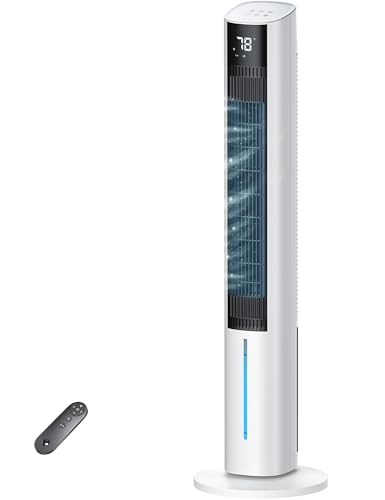
Cooling Unit for Room: Find the Perfect Match for Your Space
Choosing the right cooling unit for a room is about matching capacity to your space, picking the right type for your situation, and understanding efficiency. This guide walks you through every decision point so you can buy with confidence.
Start With SizingUnderstanding What Your Room Actually Needs
Before comparing features, take stock of the space itself. Square footage is the starting point, but the real cooling load depends on several factors that influence how hard the unit must work. A room with large west-facing windows, poor insulation, or several occupants will need more capacity than a shaded, well-insulated space of the same size.
Ceiling height also matters. Standard rooms with 8-foot ceilings fit conventional sizing charts, but vaulted ceilings or open-plan layouts increase the air volume considerably. If your space is unusual, consider a professional load calculation rather than relying on square footage alone. For homes without existing ductwork, exploring cooling options for homes without ductwork can open up ductless pathways that suit room-by-room cooling perfectly.
Room Cooling Unit Types Compared
Each cooling unit category serves a different set of constraints — installation freedom, portability, aesthetics, and whole-home integration. The right choice depends on whether you rent or own, whether you have window access, and whether you want permanent or temporary cooling.
Window Air Conditioner
A single-unit solution that mounts in a window frame. Straightforward installation, self-contained design, and reliable performance for single rooms. Best suited to standard double-hung windows and rooms where permanent mounting is acceptable. Slim-profile variants fit narrower frames.
Portable Air Conditioner
Freestanding and movable between rooms, venting through a window or wall kit. Ideal for renters, temporary setups, and spaces where window mounting is not possible. Larger units can cool a full room, though efficiency is generally below fixed installations.
Ductless Mini-Split
An indoor air handler paired with an outdoor condenser, connected by refrigerant lines. Delivers quiet, efficient, room-specific cooling without ductwork. A strong long-term investment for homeowners who want permanent comfort and modern aesthetics.
Central Air Conditioning
A whole-home system distributing cooled air through ductwork. Best for houses with existing ducts and multiple rooms to condition. Provides consistent comfort and is often paired with heating for year-round climate control.
Through-the-Wall AC
Installed into a wall sleeve for a permanent, flush fit. Common in hotels and apartments, and a good option when window space is limited. Offers a cleaner look than window units with similar single-room performance.
Ducted Mini-Split
A concealed indoor unit that distributes air through short duct runs. Provides discreet, even cooling across a room or small zone while retaining the efficiency benefits of a ductless system. Ideal for finished spaces where visible wall units are undesirable.
How to Size a Cooling Unit for a Room
Capacity is measured in BTU (British Thermal Units). The table below gives a reliable baseline for standard residential rooms with average ceiling height and moderate sun exposure. Use it as a starting point, then adjust for your specific conditions.
| Room Size | Suggested Capacity | Typical Use Case |
|---|---|---|
| Up to 150 sq ft | 5,000 – 6,000 BTU | Bedroom, small office, studio corner |
| 150 – 250 sq ft | 8,000 – 10,000 BTU | Medium bedroom, living area, home office |
| 250 – 400 sq ft | 12,000 – 14,000 BTU | Large bedroom, open living room, small studio |
| 400 – 550 sq ft | 18,000 – 24,000 BTU | Large living space, open-plan area |
| 550 – 800 sq ft | 24,000 – 30,000 BTU | Studio apartment, large open room |
Efficiency Ratings and Compressor Technology
Efficiency determines how much cooling you get per unit of electricity consumed. In the United States, SEER2 is the current standard for measuring seasonal efficiency. Higher ratings mean lower operating energy demand over the cooling season. If efficiency is a priority, our explanation of what a SEER rating is breaks down the numbers and what they mean in practice.
Compressor technology is the other half of the equation. Inverter compressors vary their speed continuously, matching output to demand and maintaining a stable temperature. Non-inverter compressors run at full power and cycle on and off. For rooms that are cooled for many hours a day, an inverter model is generally the more efficient long-run choice. The trade-off is a higher upfront position in the market, but the comfort and efficiency benefits compound over years of use. Our comparison of inverter versus non-inverter systems goes deeper into the operational differences.
Features That Improve Room Comfort
Beyond capacity and efficiency, the right features can make a meaningful difference in day-to-day comfort and convenience. Consider which of these align with how you use the room.
- Variable fan speeds: Allow fine control over airflow intensity and noise level.
- Sleep mode: Gradually adjusts temperature overnight for comfort and energy savings.
- Programmable timer: Schedules operation around your daily routine.
- Wi-Fi and smart control: Enables remote adjustment and integration with smart home systems.
- Dehumidification mode: Reduces moisture without over-cooling — useful in humid climates.
- Washable or high-efficiency filters: Improve indoor air quality and reduce maintenance overhead.
- Self-cleaning cycle: Dries the evaporator to inhibit mold and odor buildup.
- Quiet operation rating: Important for bedrooms and home offices.
Placement and Installation Considerations
Where a unit sits affects how evenly a room cools. Window and portable units should be positioned so airflow reaches the occupied zone without being blocked by furniture. Mini-split indoor heads are best mounted high on a wall with a clear path across the room, away from direct sunlight and heat-producing appliances. If you are planning a permanent installation, understanding proper indoor and outdoor placement prevents performance issues before they start.
For ducted or central systems, the room's supply and return air paths matter as much as the equipment itself. Poorly balanced airflow leads to hot and cold spots even with a correctly sized unit. Homeowners considering central cooling should review the components of a central air conditioning system to understand how the whole assembly works together.
Keeping Your Room Cooling Unit Efficient
A well-maintained unit cools better and lasts longer. The single most impactful habit is keeping the air filter clean — rinse or replace it every two to four weeks during heavy use. A clogged filter restricts airflow, forces the unit to work harder, and can lead to coil icing. For a detailed routine, see our guide on how to clean an AC filter.
Once a season, clear debris from the outdoor condenser if your system has one, and check that window or wall units are sealed tightly to prevent cool air from escaping. An annual professional tune-up catches refrigerant issues, electrical wear, and coil buildup that are easy to miss. If you notice reduced cooling, unusual noise, or water leakage, address it early — small fixes are far easier than waiting for a compressor failure. Our articles on solving an AC that is not cooling and fixing water leaks cover common issues and when to call a technician.
Frequently Asked Questions
What size cooling unit do I need for my room?
Match capacity to square footage and conditions. Rooms up to 150 sq ft generally need 5,000–6,000 BTU; 150–250 sq ft needs 8,000–10,000 BTU; and 250–400 sq ft needs 12,000–14,000 BTU. Increase capacity for sunny rooms, high ceilings, or multiple occupants.
Is an inverter cooling unit better than a non-inverter unit?
For rooms cooled for many hours, yes — inverter models maintain a steadier temperature and deliver better efficiency over time. Non-inverter units are simpler and suit occasional use, but they cycle on and off and can create temperature swings.
Can a portable cooling unit cool an entire room effectively?
Yes, a correctly sized portable unit can cool a single room well, provided it is vented properly. Portable units are a strong choice for renters and temporary setups, though fixed window or mini-split systems are generally more efficient for the same capacity.
How often should I maintain my room cooling unit?
Clean the filter every two to four weeks during heavy use and schedule a professional tune-up annually. Seasonal checks of seals, coils, and drainage keep efficiency high and prevent small problems from becoming major repairs.
Final Thoughts Before You Choose
The best cooling unit for a room is the one that matches your space, your installation constraints, and your long-term comfort goals. Start with an honest assessment of square footage and heat load, choose a unit type that fits your situation, prioritize efficiency if the room sees heavy daily use, and do not overlook the value of good maintenance habits. With those fundamentals settled, the products below become far easier to evaluate — you will know exactly which specifications matter for your room.