Mini Split Installation Cost: A Complete Research Guide
Understand the real factors that shape ductless mini split installation, from labor and permits to electrical work and efficiency rebates.
START RESEARCHINGResearch First, Decide Better: Mini split installation involves more than the equipment itself. This guide breaks down every variable so you can plan confidently, compare quotes fairly, and avoid surprises before committing to a ductless system.
What Determines Mini Split Installation Cost?
Ductless mini split systems are praised for their efficiency, zoning flexibility, and lack of ductwork. However, the installation process involves several moving parts that influence the overall investment. Unlike a simple window unit, a mini split requires refrigerant line routing, electrical connections, mounting hardware, and often a permit. Understanding these elements helps you evaluate contractor quotes and set realistic expectations.
The installation complexity scales with the number of indoor zones. A single-zone system serving one room is straightforward, while a multi-zone system with three or four indoor heads demands more planning, longer line sets, and additional electrical work. The table below summarizes the relative complexity tiers you should expect.
| Tier | System Configuration | Best For | Installation Complexity |
|---|---|---|---|
| Essential Tier | Single-zone, wall-mounted | One room, studio, addition | Low to moderate |
| Mid-Tier | Dual-zone or single-zone with longer line runs | Two rooms, small apartment | Moderate |
| High-End Tier | Multi-zone (3–4 heads), ceiling cassette, or ducted | Whole home, large open plan | High |
For a deeper look at what equipment options exist at each tier, you can explore our guide on ductless mini split air conditioner options to compare system types before installation.
Labor Breakdown: Where the Installation Effort Goes
Labor typically represents a substantial portion of the total installation investment. Skilled technicians perform multiple tasks that require specialized tools and code compliance. Here is how the labor effort is distributed:
- Site assessment and layout: Choosing indoor and outdoor unit positions, checking wall studs, and planning the refrigerant line route.
- Mounting and bracket installation: Securing the indoor head and outdoor condenser to walls or ground pads with proper vibration isolation.
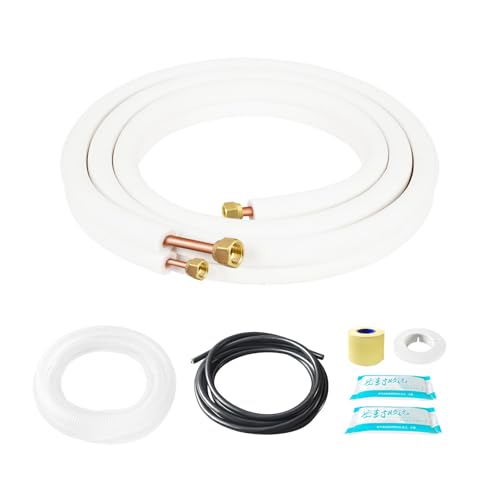
- Line set routing: Drilling holes, running insulated copper lines, drain lines, and communication cables through walls or ceilings.
- Electrical work: Installing a dedicated circuit, disconnect box, and connecting the system to the home's electrical panel, often requiring an electrician.
- Vacuum and refrigerant charge: Evacuating the line set with a vacuum pump, checking for leaks, and releasing refrigerant per manufacturer specifications.
- Commissioning and testing: Verifying airflow, temperature differential, and system controls before handoff.
Why labor varies: A single-zone install with a short line run and existing electrical infrastructure is far less labor-intensive than a multi-zone system requiring new circuits and long, complex line routes. Always ask contractors to itemize labor separately from equipment and materials.
If your project also involves adding ductwork or integrating with existing heating, our article on adding air conditioning to ducted heating explains the differences between ducted and ductless approaches.
Electrical Work and Permits
Mini split systems require a dedicated power circuit, typically 110V or 240V depending on capacity. If your electrical panel lacks capacity or the installation point is far from the panel, an electrician may need to run new wiring, install a breaker, and add a disconnect. This is one of the most common variables that affect the total installation scope.
Permits are another important consideration. Most jurisdictions require a mechanical and/or electrical permit for mini split installation. The permit process ensures the work meets building codes and safety standards. While permit fees vary by municipality, the cost of skipping a permit—failed inspections, insurance issues, and resale complications—far outweighs the upfront effort.
- Check with your local building department for permit requirements.
- Confirm whether the contractor will pull the permit or if it falls on you.
- Schedule inspections promptly after installation.
How to Optimize Your Mini Split Installation Investment
While installation involves real expenses, there are legitimate strategies to keep the project efficient and avoid unnecessary add-ons:
- Get multiple detailed quotes: Compare at least three contractor estimates that itemize equipment, labor, electrical, and permits.
- Choose the right capacity: Oversizing leads to inefficiency and higher operational expenses. Use our BTU calculator by room size to right-size your system.
- Prepare the installation area: Clear access to walls, attic, or crawl spaces to reduce labor time.
- Schedule during off-peak season: Spring and fall often see more contractor availability and flexible scheduling.
- Check for rebates and incentives: Many utility companies and local programs offer incentives for high-efficiency ductless systems. Our ENERGY STAR certified AC guide explains efficiency qualifications.
- Consider a single-zone system first: If your cooling needs are concentrated, a single-zone unit is simpler and less labor-intensive than multi-zone.
For a broader comparison of ductless system options and their installation implications, see our mini split system installation guide.
Post-Installation Maintenance Matters
Proper maintenance preserves efficiency and extends system life. After installation, plan for regular filter cleaning, coil inspection, and annual professional tune-ups. Our air conditioning tune-up service guide explains what to expect during service visits. Neglecting maintenance can lead to refrigerant leaks, reduced cooling, and premature component wear—issues that erode the long-term value of your investment.
If you notice performance issues after installation, our troubleshooting resources on AC not cooling solutions can help you identify whether the problem is installation-related or maintenance-related.
Frequently Asked Questions
Ready to Compare Mini Split Options?
Explore our recommended ductless systems and find the right fit for your home before scheduling installation.
VIEW RECOMMENDATIONS