Cost of AC Unit for a 1200 Sq Ft House
Understand the real factors that shape the cost of cooling a 1200 square foot home — from system sizing and efficiency ratings to installation complexity and long-term energy use. Make a confident, well-informed purchase decision.
Start With SizingWhy a 1200 sq ft house is a smart starting point: Homes in this size range sit in a comfortable middle ground — large enough to benefit from a properly engineered central or ductless system, yet compact enough that oversizing mistakes can quickly hurt comfort and efficiency. This guide walks you through every cost driver so you can compare quotes with confidence and select the right system tier for your needs.
How AC Costs Are Structured for a 1200 Sq Ft House
When homeowners research the cost of an AC unit for a 1200 sq ft house, they often focus only on the equipment itself. In reality, the total outlay is shaped by four interconnected layers: the cooling capacity you need, the system type you choose, the efficiency tier you select, and the installation conditions of your home. Each layer influences the others, which is why two quotes for the same square footage can differ significantly.
The table below breaks down the main components so you can see where your investment goes. Notice that no specific figures are shown — instead, each component is described by its role and by relative tier, which stays accurate regardless of market fluctuations over time.
| Component | What It Covers | Relative Tier Impact |
|---|---|---|
| Equipment (condenser + air handler) | The core cooling machinery, including compressor, coils, and blower | Entry-level to premium, depending on brand and efficiency |
| Sizing & load calculation | Manual J assessment to match capacity to your home's heat gain | Essential for every tier; prevents costly oversizing |
| Ductwork (if applicable) | New ducts, sealing, or modifications to existing distribution | Major differentiator between ducted and ductless systems |
| Labor & installation | Removal of old unit, line sets, electrical work, testing | Varies with home layout and local labor norms |
| Efficiency features | Inverter compressors, variable-speed blowers, smart thermostats | Mid-range to top-tier options |
| Permits & inspection | Local code compliance and final verification | Required in most jurisdictions; modest share of total |
Understanding these layers helps you ask the right questions when comparing contractor proposals. A quote that seems lower on paper may omit duct sealing, proper load calculation, or permit handling — all of which affect long-term performance and safety. Conversely, a higher-tier quote may include premium efficiency equipment that reduces monthly energy use for years.
Sizing an AC Unit for 1200 Square Feet
Correct sizing is the single most important factor in comfort and efficiency. For a 1200 sq ft house, the typical capacity range falls between roughly 24,000 and 30,000 BTU, which maps to a 2-ton to 2.5-ton system. However, square footage alone is only a starting point. A professional Manual J load calculation accounts for ceiling height, window area, insulation quality, local climate, sun exposure, and occupancy.
Why Oversizing Is a Common Mistake
An oversized unit cools the air quickly but may not run long enough to remove humidity. The result is a room that feels cold and clammy, with higher energy use due to frequent cycling. An undersized unit, on the other hand, runs continuously and struggles on the hottest days. Both scenarios shorten equipment life and reduce comfort.
If you want to explore capacity bands in more depth, see our guidance on 12,000–14,000 BTU air conditioners and 18,000–24,000 BTU air conditioners, which bracket the typical range for a 1200 sq ft home.
AC System Types Suited to 1200 Sq Ft
The cost of an AC unit for a 1200 sq ft house depends heavily on which system type fits your home's existing infrastructure. Here is a comparison of the main options, described by their market position and the scenarios where they shine.
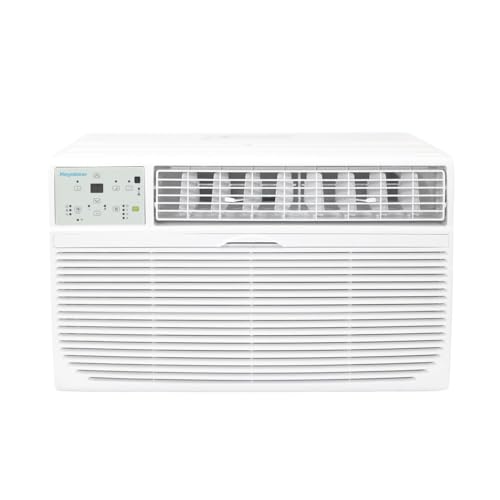
Window AC Units
Best for single rooms or temporary cooling. A 1200 sq ft home would typically need multiple units, which can be practical for renters or homes without ductwork, but whole-home comfort and efficiency are limited.
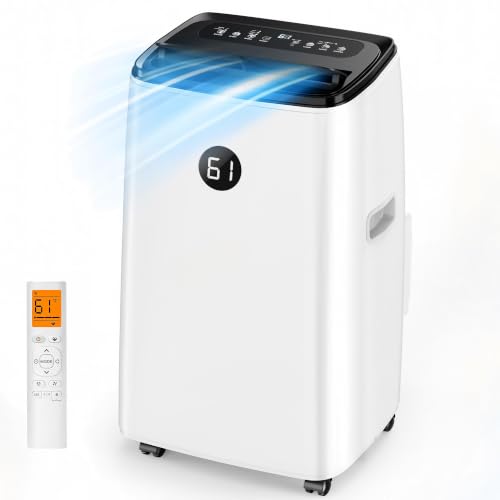
Portable AC Units
Flexible and easy to move between rooms. Suitable for supplemental cooling, home offices, or bedrooms. Less efficient than fixed systems for whole-home use, but a solid choice for specific zones.
Ductless Mini-Split
Ideal for homes without ducts or where room-by-room zoning is preferred. One or two indoor heads can comfortably cover a 1200 sq ft layout. High efficiency and quiet operation make this a popular mid-range to high-end tier choice.
Central Air Conditioning
The most seamless option when ductwork already exists. Provides even, whole-home comfort with a single thermostat. Installation complexity and duct condition are the main cost variables in this tier.
If your home already has ducts, exploring central air conditioner options for a similar footprint can help you benchmark expectations. For homes without ducts, our guide to air conditioning systems without ductwork explains how mini-splits compare.
Efficiency Ratings and Their Role in Long-Term Value
Efficiency ratings — SEER2, EER2, and HSPF2 for heat pump variants — describe how much cooling a system delivers per unit of electricity. Higher ratings generally mean lower monthly energy use, but the benefit must be weighed against the equipment tier. For a 1200 sq ft house, the sweet spot is often a mid-range system with a solid efficiency rating, unless your climate is extreme or you plan to stay in the home for many years.
Key Efficiency Considerations
- Climate matters: Hot, humid regions benefit more from higher SEER2 and thoughtful humidity control.
- Rebates and incentives: Many utilities offer incentives for qualifying high-efficiency systems, which can improve the long-term value of a top-tier unit.
- Inverter technology: Inverter-driven compressors modulate speed for steadier temperatures and quieter operation — a hallmark of mid-range and premium tiers.
- Smart thermostats: A programmable or learning thermostat can unlock additional savings regardless of system tier.
To dig deeper into ratings, see our explanations of SEER ratings and SEER vs SEER2 under DOE standards. If you are considering a combined heating and cooling solution, our guide to heat pump vs air conditioner is a useful next step.
Installation Factors That Influence the Total Investment
Installation is where quotes diverge most. For a 1200 sq ft house, the following conditions commonly affect the scope of work and therefore the overall project tier:
- Existing ductwork condition: Leaky or undersized ducts may need sealing or replacement, which is a significant cost driver in central systems.
- Electrical panel capacity: Older homes may require an upgrade to support a new 240V circuit. Our guide to amps and breaker size for AC units explains what installers check.
- Line set length and routing: Longer or more complex refrigerant runs add labor and materials.
- Indoor and outdoor placement: Clearances, structural support, and aesthetics all play a role. See AC indoor and outdoor placement for best practices.
- Permits and inspections: Most jurisdictions require permits; a reputable installer will handle this as part of the scope.
Choosing a qualified contractor is as important as choosing the right equipment. Our guide on how to choose an HVAC contractor covers licensing, insurance, and what to look for in a proposal.
Ongoing Efficiency: Getting the Most From Your System
The purchase decision is only part of the picture. How you operate and maintain your system strongly influences its real-world efficiency and lifespan. For a 1200 sq ft home, small habits add up:
- Set a consistent temperature and avoid large day-to-day swings.
- Replace or clean filters on schedule — see when to replace your AC filter.
- Schedule seasonal maintenance to keep coils clean and refrigerant levels correct.
- Use ceiling fans to raise the thermostat setting comfortably — see using a ceiling fan with AC.
- Seal ducts and air leaks to reduce wasted cooling — see sealing air ducts for efficiency.
These measures help any tier of equipment perform closer to its rated efficiency, extending the return on your investment.
Choosing a System Tier for a 1200 Sq Ft House
The table below summarizes how different system tiers align with common homeowner priorities. Use it as a conversation starter with contractors rather than as a definitive prescription — every home is different.
| Tier | Typical System | Best For | Considerations |
|---|---|---|---|
| Essential tier | Window or portable units (multiple) | Renters, single-room cooling, temporary setups | Simple installation; limited whole-home efficiency |
| Starter tier | Entry-level ductless mini-split (single zone) | Homes without ducts; focused cooling zones | Good value for its tier; may need multiple heads for full coverage |
| Balanced tier | Mid-range mini-split (multi-zone) or standard central AC | Whole-home comfort with solid efficiency | Strong balance of performance and long-term value |
| Top-tier | High-efficiency central AC or premium multi-zone mini-split | Long-term owners in demanding climates | Higher equipment tier; best paired with quality installation and maintenance |
Ready to Compare Systems?
Use the insights above to shortlist the right system type for your 1200 sq ft home, then explore detailed product pages and contractor questions before requesting quotes.
Explore RecommendationsFrequently Asked Questions
What size AC unit does a 1200 sq ft house need?
A 1200 sq ft house typically needs an air conditioner in the 24,000 to 30,000 BTU range, which corresponds to roughly a 2 to 2.5 ton system. A proper Manual J load calculation is the most accurate way to confirm the right capacity for your specific home.
Which type of AC is best for a 1200 sq ft house?
It depends on whether the house has existing ductwork. Central AC is a strong choice when ducts are already in place, while ductless mini-split systems suit homes without ducts or with room-by-room zoning needs. Window and portable units are best for single rooms or temporary setups.
Does a higher SEER rating matter for a small house?
Yes. Even in a 1200 sq ft house, a higher SEER2 rating can lower long-term energy use and may qualify for utility rebates. The benefit depends on your local climate, electricity rates, and how long you plan to stay in the home.
How long does AC installation take for a 1200 sq ft house?
Replacing an existing central system usually takes one to two days, while a full new installation with ductwork can take several days. Mini-split installations typically take one to two days depending on the number of indoor heads.
Can I add central air to a 1200 sq ft house without existing ducts?
Yes, it is possible, but the project scope grows significantly because ductwork must be designed and installed. Many homeowners in this situation compare central AC against multi-zone ductless mini-splits, which often simplify installation while delivering excellent efficiency.
Final thought: The cost of an AC unit for a 1200 sq ft house is best understood as an investment in comfort, efficiency, and long-term reliability. Prioritize a proper load calculation, choose a system tier that matches your home and climate, and select a qualified installer. With those three decisions made well, the rest of the details fall into place.