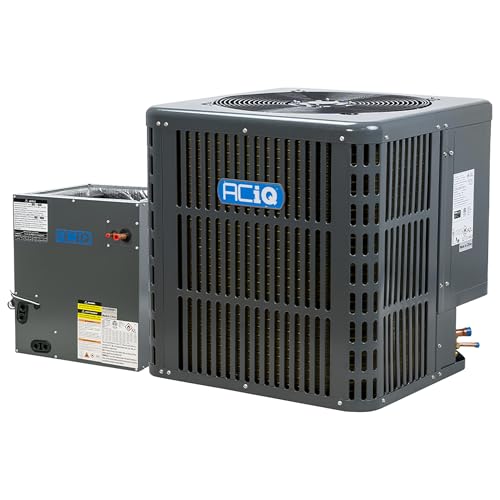
Understanding the Cost of Central Air for a 1,200 Sq Ft House
A transparent, no-nonsense breakdown of unit tiers, installation complexity, hidden factors, and long-term value so you can budget with confidence.
SEE FULL COST BREAKDOWNSo, you're sweating through another summer in your 1,200-square-foot home and you're ready to invest in central air conditioning. You've come to the right place. The first question on every homeowner's mind is, "How much is this actually going to cost me?" The honest answer is that it varies significantly, but a complete new central AC installation for a house of this size typically falls into the mid-range tier of home improvement projects — though it can stretch into the high-end tier depending on the system you choose and your home's existing infrastructure. We will guide you through every factor that determines where your project will land on that spectrum.
For a home of this size, you're generally looking at a 2-ton unit, but the final investment is influenced by the efficiency rating, the complexity of the installation, and whether your home already has usable ductwork. Let's dive deep into each of these factors so you can build an accurate budget and avoid surprise costs.
Step 1: Get the Right Size AC (Why 2 Tons is Your Target)
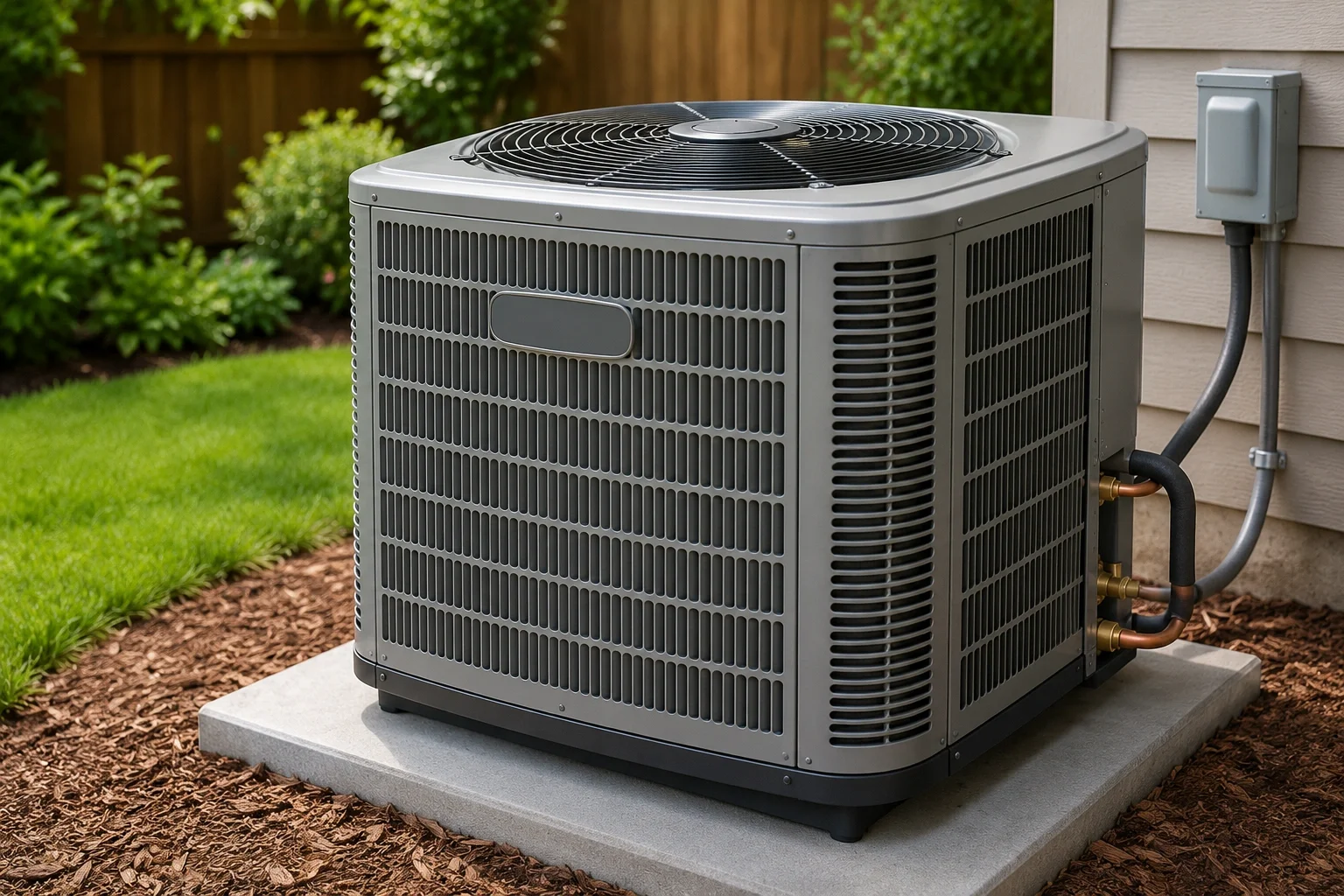
Before you can choose a unit, you need to know what size you need. An incorrectly sized AC is a costly mistake. A unit that's too big will short-cycle, failing to dehumidify your home, while an undersized unit will run non-stop and never reach the set temperature. For a 1,200 square foot house, the sweet spot is almost always a 24,000 BTU system, commonly referred to as a 2-ton air conditioner.
However, this is a guideline, not a rule. Ceiling height, window quality, insulation levels, and local climate play a huge role. A Manual J load calculation is the only professional way to be 100% certain. We highly recommend having a qualified HVAC contractor perform this. For a quick estimate, you can also use our BTU calculator by room size to get a rough idea. Getting the sizing right prevents the common issues described in our article on what happens if an AC is too big or too small.
Central AC Unit Tiers by Efficiency (SEER2 Rating)
The efficiency of the unit is the single biggest factor affecting its upfront tier. Efficiency is measured by SEER2 (Seasonal Energy Efficiency Ratio 2), a new standard that reflects real-world conditions. A higher rating means a more premium unit, but significantly lower monthly electricity bills. Here's a practical tier breakdown for a 2-ton unit based on the SEER2 rating:
| AC System Tier | SEER2 Rating | Relative Position | Best For |
|---|---|---|---|
| Entry-Level (Base Efficiency) | 14.3 - 15.2 | Most affordable upfront investment | Budget-conscious buyers, short-term homes |
| Mid-Range Efficiency | 16 - 17 | Balanced upfront investment and long-term savings | Good balance for most homeowners |
| High-End Efficiency | 18 - 20+ | Premium upfront investment with maximum long-term value | Long-term investment, quiet operation, maximum comfort |
If you plan to live in your home for many years, investing in a mid-range to high-end efficiency unit is the smart financial move. A mid-range model typically offers noticeably better long-term energy savings than an entry-level unit, while a high-end model adds premium comfort features like quieter operation and better humidity control. You can learn more about why this matters in our guide on what a SEER rating is. For those seeking the pinnacle of performance, check out our list of the highest SEER air conditioners available.
Installation Complexity: The Labor-Intensive Half of the Project
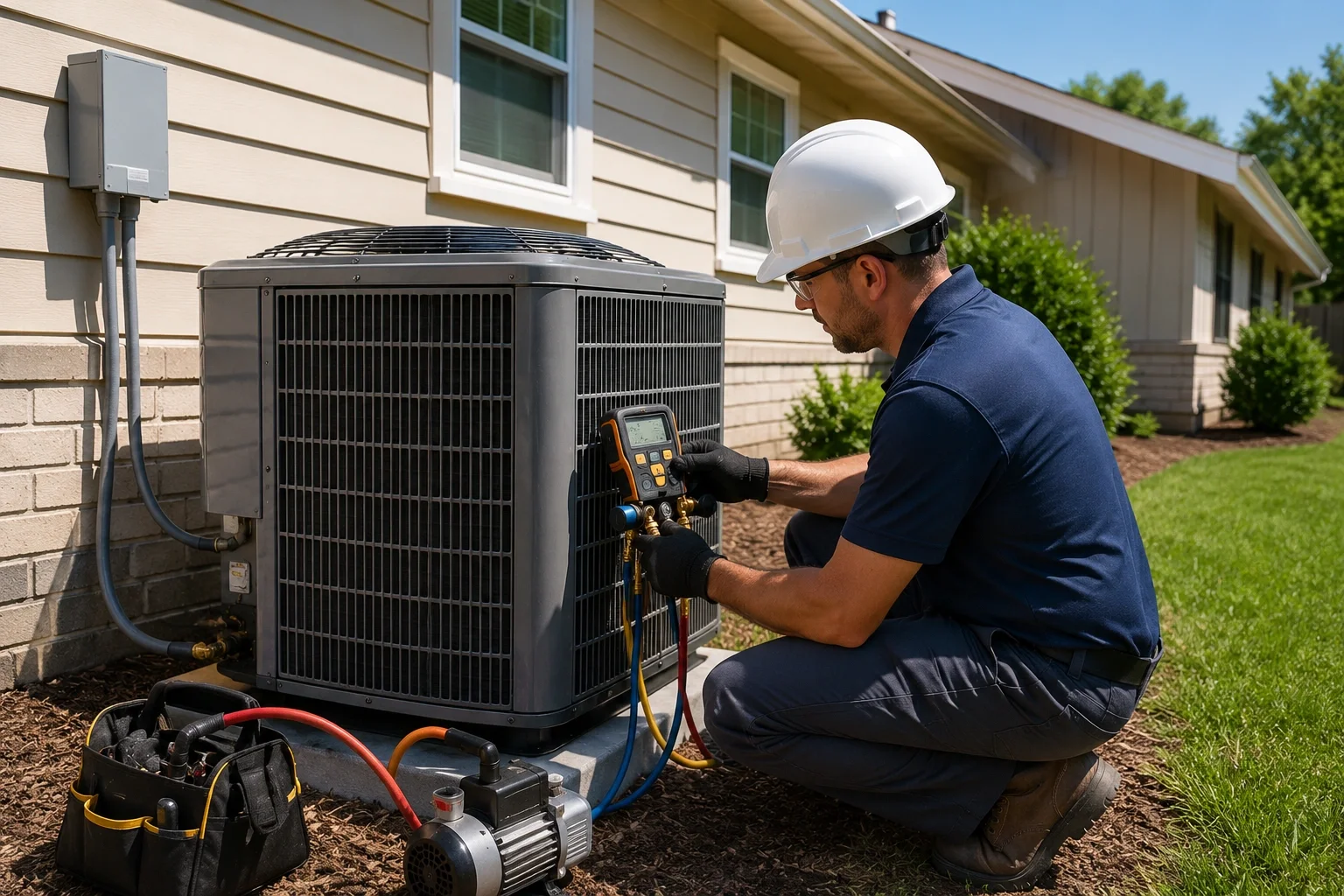
If you are replacing an old central AC system and your ductwork is in good shape, the labor complexity will be on the lower end — an entry-level to mid-range installation project. The installation team will remove the old condenser and evaporator coil, install the new ones, connect refrigerant lines, and test the system. This process can typically be completed in a day.
However, for a 1,200 sq ft home that has never had central air, the major expense is installing new ductwork. This involves cutting holes in walls and ceilings, running supply and return ducts, and installing registers. This pushes the project firmly into the high-end tier. The design and efficiency of your ducts are critical; we discuss this further in our ductwork design guide. Don't forget, installing high-voltage wiring and a new circuit breaker is a job for a licensed electrician and adds another layer of professional cost. If you're unsure, always check our advice on whether you need an electrician for your AC installation.
The Complete Budget Breakdown: A Tier-by-Tier Example
Let's translate these concepts into a realistic budget scenario for a 1,200 sq ft home. This breakdown assumes you are replacing an old system, as this is the most common project. We will compare an entry-level, mid-range, and high-end approach so you can see how the total tier shifts based on your choices.
| Cost Component | Tier Classification | Notes |
|---|---|---|
| 2-Ton AC Unit & Coil | Entry-Level to High-End | Tier depends on SEER2 rating — entry-level base models vs. premium variable-speed systems. |
| Basic Installation Labor | Mid-Range | Includes old unit removal, new setup, and refrigerant charging. |
| Electrical Work | Entry-Level to Mid-Range | New 240V disconnect box and whip, performed by a licensed electrician. |
| Permit & Inspection Fees | Entry-Level | Varies by municipality. Don't skip this step. See our AC permit guide. |
| Miscellaneous Materials | Entry-Level | New lineset, concrete pad, vibration dampeners. |
| TOTAL PROJECT TIER | Mid-Range to High-End | A realistic budget span for a quality 1,200 sq ft home installation, depending on your equipment and infrastructure choices. |
Keep in mind that high-end, variable-speed units with 20+ SEER2 ratings will push the total project toward the premium end of the high-end tier, while a basic 14.3 SEER2 replacement can keep it closer to the entry-level end of the mid-range tier. Adding new ductwork is the single biggest factor that can shift an otherwise mid-range project into the high-end tier. For a clearer picture of what to expect, it's helpful to understand the broader factors at play in the average central AC cost.
Additional Cost Factors to Consider
Beyond the unit and labor, several other items can impact your final invoice. Being aware of them upfront is the best way to prepare.
- Ductwork Modifications or Sealing: Even if you have existing ducts, they may be leaky. Sealing your air ducts is an entry-level to mid-range investment that pays for itself quickly in energy savings.
- Thermostat Upgrade: Your contractor will likely recommend a new programmable or smart thermostat. This is typically an entry-level add-on. Learn how to use a programmable thermostat for maximum savings.
- Refrigerant & EPA Compliance: With the ongoing R410A phase-out, newer, more eco-friendly refrigerants like R-32 are becoming the standard. This may affect the unit's tier positioning, but it is a future-proof choice.
- Zoning Systems: For a multi-story home, even a small one, a zoning system can dramatically improve comfort but adds significant complexity, pushing the project into the high-end tier.
How to Get the Best Value and a Flawless Installation
A new central AC is a major purchase, and the quality of the installation is just as important as the brand of the unit. Never just go with the lowest bid. Here is a proven strategy to ensure you get fair value and a perfect install:
- Get at Least Three Written Quotes: Have detailed, itemized quotes from different contractors. Don't let them just scribble a number on a business card. For guidance, learn how to get an installation quote the right way.
- Vet the Contractors Rigorously: Verify their license, insurance, and online reviews. A specialist is key, and our guide on how to choose an HVAC contractor will show you exactly what to look for.
- Ask About Rebates and Tax Credits: There are often utility rebates and federal tax incentives for energy-efficient systems. Check our page on HVAC tax credits and rebates to potentially save significantly on your project.
- Understand the Warranty: Look for a unit with a strong parts warranty and insist on at least a 1-year labor warranty from the installer. A comprehensive guide on AC warranties can help you navigate the fine print.
Once your new system is installed, know what to expect during the first week after AC installation and register your product following our warranty registration guide to secure your coverage.